

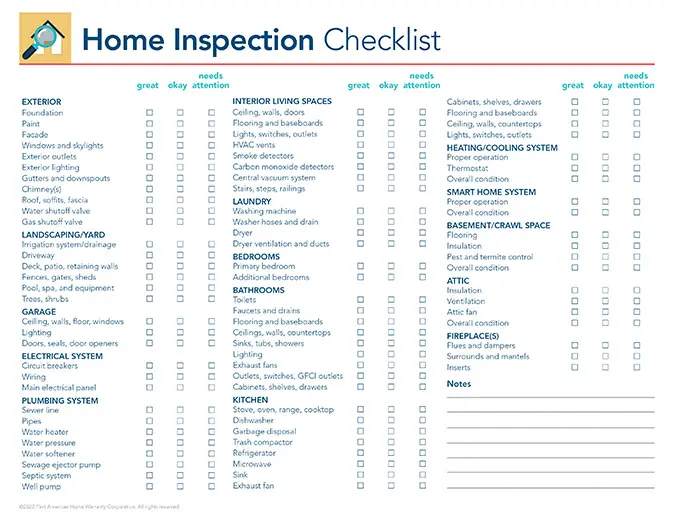
Buying a home is a monumental step. A thorough home inspection ensures your dream house doesn’t become a financial nightmare. Whether buying in bustling neighborhoods or the quieter suburbs, having a checklist ensures nothing gets overlooked. This guide will cover everything you need to know, with a special focus on home inspection in Philly to meet the needs of local buyers.
Why a Home Inspection Is Essential
A home inspection provides insight into a property’s condition. It uncovers hidden issues affecting your decision or allowing you to negotiate repairs. In Philadelphia, where homes vary in age and style, inspections can reveal potential concerns related to weathered exteriors, aging systems, or historic architecture.
Three key reasons to schedule an inspection:
- Identify costly repairs before closing the deal.
- Gain leverage to negotiate the sale price.
- Ensure the safety of your future home.
Preparing for Your Home Inspection
Proper preparation is crucial to getting the most out of your home inspection. It ensures you’re informed, organized, and ready to address potential concerns as they arise. Here are some detailed steps to prepare effectively:
Review the Seller’s Disclosure Statement
The seller’s disclosure details the property’s condition and history. It may highlight known issues like past repairs, roof leaks, or foundation problems. Cross-reference this document with your inspection checklist to ensure security.
Research Common Issues in Philly Homes
Philadelphia’s unique housing market features a mix of historic and modern properties. Older homes may have specific challenges, such as:
- Foundation Concerns: Look for cracks or settling in older row homes.
- Outdated Wiring: Some older homes still have knob-and-tube or aluminum wiring, which may not meet modern safety standards.
- Lead Paint: Common in homes built before 1978.
Schedule the Inspection Early
Once your offer is accepted, schedule the inspection as soon as possible to allow negotiation time. Ensure you hire a licensed and experienced inspector familiar with homes in Philadelphia. You can ask your real estate agent or friends for referrals.
Be Present During the Inspection
Attending the inspection lets you see issues firsthand and ask the inspector questions. Some things to keep in mind while you’re there:
- Follow the inspector around the property.
- Take notes and photos for reference.
- Request clarification on anything you don’t understand.
Prepare Your Checklist
While inspectors have their processes, creating your checklist is beneficial. This ensures you focus on what matters most to you: safety, long-term maintenance, or specific features like energy efficiency.
Know What to Expect
Depending on the property’s size and condition, home inspections typically take 2–4 hours. Be ready for a detailed process in which the inspector assesses everything from the roof to the foundation.
Budget for Additional Inspections
If the inspector uncovers significant concerns, you may need to hire specialists. Examples include:
- Chimney or Fireplace Inspectors to check for structural issues or creosote buildup.
- Pest Control Experts will evaluate signs of termites or rodents.
- HVAC Specialists will confirm the efficiency of the heating and cooling systems.
The Ultimate Home Inspection Checklist
Exterior Evaluation
The outside of the home is its first line of defense against the elements. Ensure all areas are inspected for damage or wear.
Checklist:
- Roof: Look for missing shingles, sagging areas, or signs of leaks.
- Foundation: Check for visible cracks or uneven settling.
- Drainage: Ensure gutters and downspouts direct water away from the house.
- Windows: Inspect for cracks, broken seals, or rotting frames.
- Landscaping: Confirm trees or bushes aren’t too close to the structure.
Interior Assessment
Inside, the focus shifts to livability and hidden problems that may require expensive repairs.
Checklist:
- Walls and Ceilings: Look for cracks, stains, or signs of water damage.
- Flooring: Check for uneven surfaces, creaks, or damage to hardwood or tiles.
- Doors and Windows: Ensure smooth operation and proper sealing.
- Attic: Inspect for insulation, ventilation, and any signs of pests.
- Basement: Look for dampness, mold, or evidence of flooding.
Systems Check
The home’s systems ensure comfort and functionality. Faulty systems can lead to high costs and safety concerns.
Checklist:
- HVAC System: Test heating and cooling for functionality and efficiency.
- Plumbing: Check for leaks, water pressure, and drainage.
- Electrical: Inspect outlets, switches, and the circuit breaker for proper operation.
- Appliances: Verify the condition and functionality of installed appliances.
- Water Heater: Confirm it heats efficiently and doesn’t show signs of rust or leaks.
Safety Features
Safety should always be a priority. Ensure the home meets basic safety standards.
Checklist:
- Smoke Detectors: Test all units and check for proper placement.
- Carbon Monoxide Detectors: Ensure they are installed in key areas.
- Stairs and Railings: Confirm they are secure and meet code requirements.
- Fire Extinguishers: Verify availability and condition.
- Emergency Exits: Confirm windows and doors meet escape standards.
What to Do After the Home Inspection
Once the inspection is complete, review the report thoroughly. Prioritize issues that need immediate attention or could affect safety.
Steps to take:
- Discuss findings with your real estate agent.
- Negotiate repairs or credits with the seller.
- Plan a timeline for post-purchase maintenance and improvements.
How to Use Your Home Inspection Report Effectively
A detailed home inspection can save you from unexpected headaches. This checklist is specially tailored for home inspection in Philly so you can confidently approach your purchase. Remember, this is not just about finding a house; it’s about ensuring your new home is safe, functional, and ready for years of happy living.
