

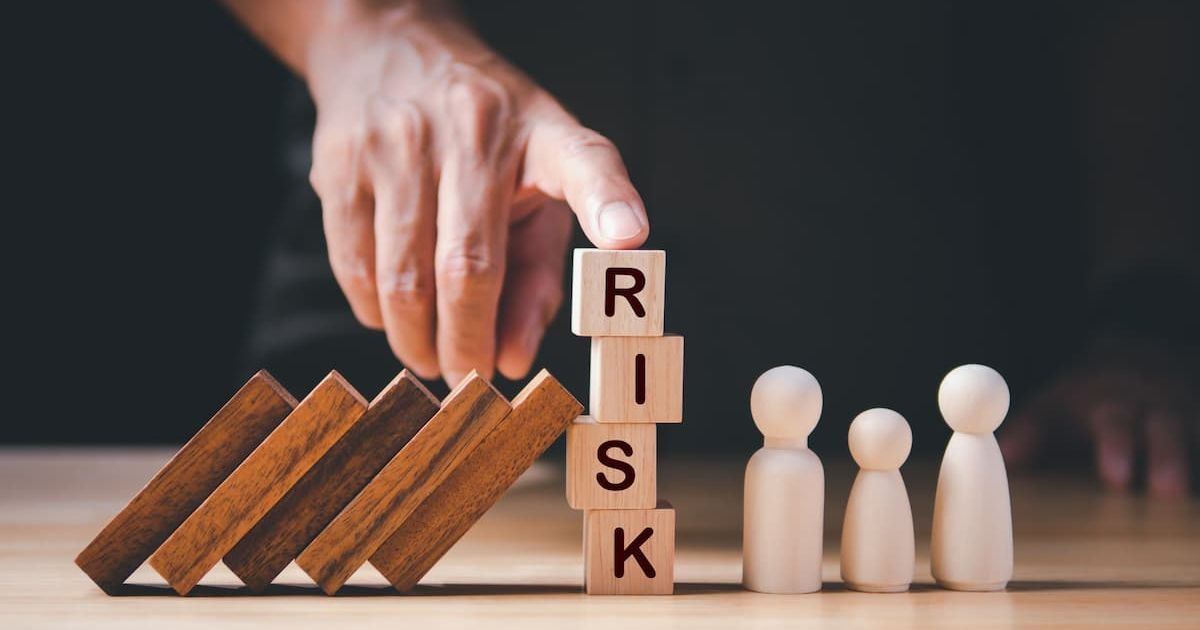
The mitigation of risks can be considered as a technical issue, which remains in the backdrop of business activities, but it is a significant issue when it comes to determining the long term stability. The leaders that know the ways to foresee challenges and equip their organizations to face uncertainty are in a better position to safeguard resources, facilitate development, and lead teams with ease. This view also transforms risk management to an offensive leadership strategy which enhances each member of the organization.
Understanding the Leadership Role
As a leader, it is more than just the goal-setting and team-direction, but it is also the realization of the possible obstacles that might spoil the process. By leaders being in charge through early identification of issues, they assist in building a culture of accountability and preparedness. This attitude promotes the employees at any level of operation to be mindful of their points of vulnerability in operation and proffer solutions that will minimize vulnerability.
Risk reduction also focuses on the leaders to be in line with larger organizational priorities. By knowing the areas that the business is the most vulnerable, the decision makers will be able to distribute time, budget, and resources more efficiently. This is a proactive strategy that will avoid reactive decision making and will create a feeling of control even at the times when there is a lot of change or sudden occurrences.
Connection Between Risk and Stability
A company that proactively addresses risk is in a better position to ensure that it remains stable in unstable environments. Markets are dynamic, customer needs are changing, regulatory demands are changing without much notice. Leaders who incorporate mitigation strategies in their day-to-day operations develop systems that are immune to these forces without affecting their performance or safety.
Long term growth is also facilitated by stability. Leaders are able to move forward in an expansion opportunity with more clarity when the internal safeguards are strong. The knowledge that there are insurance, contingency plans as well as operation protocols in place, leaves the decision makers with the confidence to be innovative without putting the business at undue risk. The existence of business insurance, specifically, could serve as a financial safety net, which would be used in support of more extensive stability efforts.
Supporting Financial Health
Financial resilience includes reduction of risk mitigation as it minimizes the probability and effects of expensive disruption. Organizations will not experience significant financial losses when they prepare against equipment breakdowns, human error, cybercrime, or economic decline in the market. Leaders who consider these possibilities will contribute to saving cash flow and continuity of operations.
When insurance is incorporated in the risk strategy, it is further strengthened in terms of financial health. Although insurance cannot guard against disruption, it assists in ensuring that businesses get back on their feet faster in case of incidents. By knowing the connection between the prevention and financial security, the leaders will be able to strike a balance between the risks and the investments and keep the organization safe even under the most problematic circumstances.
Strengthening Operational Systems
A systematic risk mitigation strategy is very useful in operational systems. The ability to review the procedures, the workflow, and the communication channels on a regular basis allows leaders to identify the weak areas before they develop into bigger issues. The awareness encourages easier day to day operations and minimizes the chances of interruptions that can derail the service delivery or the quality of products.
A culture of consistency is also encouraged by enhancing the operating systems. The employees will be able to sustain the performance standards when they know what to do in case of unforeseen problems and are aware of the protection they have. Leaders who stress such readiness make their teams flexible, resourceful and self-assured in the tasks they perform.
Enhancing Trust and Reputation
A company, which pays special attention to risk mitigation, sends straight to the customers, partners, and stakeholders that the company is dedicated to reliability. Confidence increases when individuals perceive that the company is making proactive measures to ensure that there is protection of its operations, and that its obligations are under security. Such leaders who focus on these values develop a better relationship and get the backing of people who rely on the performance of the company.
Transparent and responsible risk management is also good in reputation. Organizations that have prepared adequately can react swiftly and in a professional manner when the problems set in. This responsiveness builds credibility and minimizes the long term effects of incidents that would have otherwise damaged public opinion.
Preparing for Future Growth
Risk mitigation assists in future planning because it equips leaders with information that they require to predict trends and create sustainable plans. Knowledge of the existing vulnerabilities is used to determine where money can be invested in training, technology or process enhancements that yield the greatest benefit. Such forward looking strategy allows leaders to steer their organizations across opportunities and uncertainties.
When leaders go hand in hand with their strategic planning and policy of good protection, future growth will be more attainable. Companies have the power to expand their operations with a lot less trepidation because of their robust internal controls and facilitating tools, including business insurance. The leaders who consider risk mitigation as a part of their major roles create a precondition of the long term success and resiliency.
