

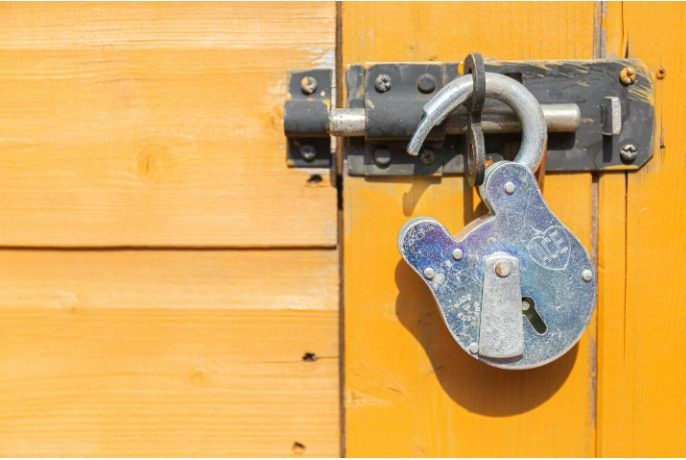
Security consultants need more than just theoretical knowledge. Understanding how security systems work is one thing, but knowing how they fail is equally important. Lockpicking isn’t just a skill for hobbyists or criminals; it’s an essential tool for anyone assessing vulnerabilities in physical security. By learning how different locks function and the techniques used to bypass them, consultants can identify weak points and recommend stronger security measures. This knowledge allows them to test security systems effectively, provide better solutions, and stay ahead of potential threats. Without it, they risk missing critical flaws that an attacker could easily exploit.
The Role of Lockpicking in Physical Security Assessments
A security consultant’s job isn’t just about installing high-end locks and surveillance cameras. It’s about understanding how intruders think and operate. Lockpicking is one of the most common methods used in unauthorized entry, and consultants must be aware of how easy or difficult it is to bypass different locking mechanisms.
By mastering lockpicking, consultants can simulate real-world attack scenarios to evaluate security measures accurately. This helps them determine whether a property’s locks are sufficient or need upgrading. Without this hands-on expertise, security assessments lack depth, and recommendations may not address real vulnerabilities.
Understanding Lock Mechanisms and Their Weaknesses
A lock is only as strong as its design and implementation. Understanding how various locks function, from basic pin tumblers to advanced electronic locks, enables security consultants to assess their effectiveness.
For instance, tools like a KW1 Lishi pick allow professionals to manipulate and decode locks quickly, revealing their vulnerabilities. This hands-on knowledge is invaluable when testing security measures. If a consultant can bypass a lock within seconds, so can a potential intruder. Recognizing these weaknesses firsthand allows consultants to recommend appropriate reinforcements, such as better lock designs or supplementary security measures like reinforced strike plates and secondary locking mechanisms.
Differentiating Between Theoretical Knowledge and Practical Application
Many security professionals understand the mechanics of locks from a theoretical standpoint, but theory alone isn’t enough. Reading about security flaws and experiencing them firsthand are entirely different things. Lockpicking provides a tangible understanding of how easy or difficult it is to exploit certain vulnerabilities.
When security consultants practice lockpicking, they develop muscle memory, pattern recognition, and an intuitive grasp of security flaws. This knowledge allows them to provide better advice, educate clients on potential risks, and create more effective security strategies. Without practical experience, they may underestimate a lock’s weaknesses, leading to false confidence in a flawed system.
Enhancing Risk Assessments and Security Recommendations
Risk assessments should be based on real-world threats, not just hypothetical scenarios. A consultant who understands lockpicking can identify security weaknesses that may go unnoticed in a traditional evaluation.
For example, if a consultant can pick a client’s front door lock within a minute, they can demonstrate why an upgrade is necessary. They can also suggest alternative solutions such as high-security locks, additional deterrents, or better access control measures. This level of insight sets them apart from consultants who rely solely on manufacturer claims or standard security checklists.
How Lockpicking Knowledge Helps in Forensic Analysis
Understanding how locks are compromised is essential in forensic security investigations. When a security breach occurs, consultants must determine whether unauthorized access was achieved through lockpicking, bumping, or forced entry. Without hands-on experience, distinguishing between these methods becomes challenging.
Forensic analysis requires recognizing subtle marks left by lockpicking tools, the absence of forceful damage, and patterns that indicate a covert entry. Security consultants who understand lockpicking can accurately assess the breach method and provide detailed reports to clients. This expertise helps businesses and homeowners implement better countermeasures, ensuring that similar security lapses don’t occur in the future.
Improving Client Education and Awareness
Security isn’t just about installing strong locks—it’s also about making clients aware of potential vulnerabilities. Many people assume that any lock on the market is secure, but an experienced lockpicker knows otherwise. When consultants demonstrate how easily some locks can be bypassed, clients gain a better understanding of why investing in higher-security solutions is necessary.
By educating clients on common bypass techniques, security professionals help them make informed decisions. This includes advising them on the types of locks that provide better resistance against picking, bumping, and other covert entry methods. When clients see a security issue firsthand, they’re more likely to take necessary precautions, improving overall safety.
Strengthening Emergency Entry Skills
In some situations, being able to pick a lock isn’t about testing security—it’s about gaining access in an emergency. Security consultants often work with businesses, government facilities, and residential buildings where lockouts can occur. If someone loses a key or a lock malfunctions, knowing how to bypass it legally and efficiently can be a valuable skill.
Rather than resorting to destructive methods like drilling, a consultant with lockpicking skills can open a lock without causing damage. This saves money, prevents unnecessary repairs, and allows access to secured areas when time is critical. Emergency entry skills are particularly useful in situations where security personnel need to access rooms quickly without compromising the integrity of the lock.
Staying Ahead of Criminal Techniques
Security professionals must always stay one step ahead of those attempting to bypass security measures. Criminals are constantly refining their techniques, and if consultants don’t understand these methods, they can’t effectively counteract them. Lockpicking knowledge allows security experts to study and anticipate evolving threats, ensuring they can recommend the latest and most effective security solutions.
By keeping up with new tools, methods, and vulnerabilities, consultants provide stronger defenses against unauthorized access. They can test high-security locks, evaluate key control systems, and implement countermeasures that directly address real-world threats. Without this proactive approach, security solutions risk becoming outdated and ineffective.
Lockpicking knowledge is an essential tool for security consultants. It goes beyond simple curiosity and serves as a practical skill for identifying weaknesses, improving risk assessments, and educating clients. By understanding how locks are compromised, consultants can provide better security recommendations, assist in forensic analysis, and stay ahead of evolving threats. This knowledge ensures that security measures are effective in the real world, not just on paper. When used ethically, lockpicking expertise makes security professionals more effective in their roles, ultimately leading to safer homes, businesses, and institutions.
