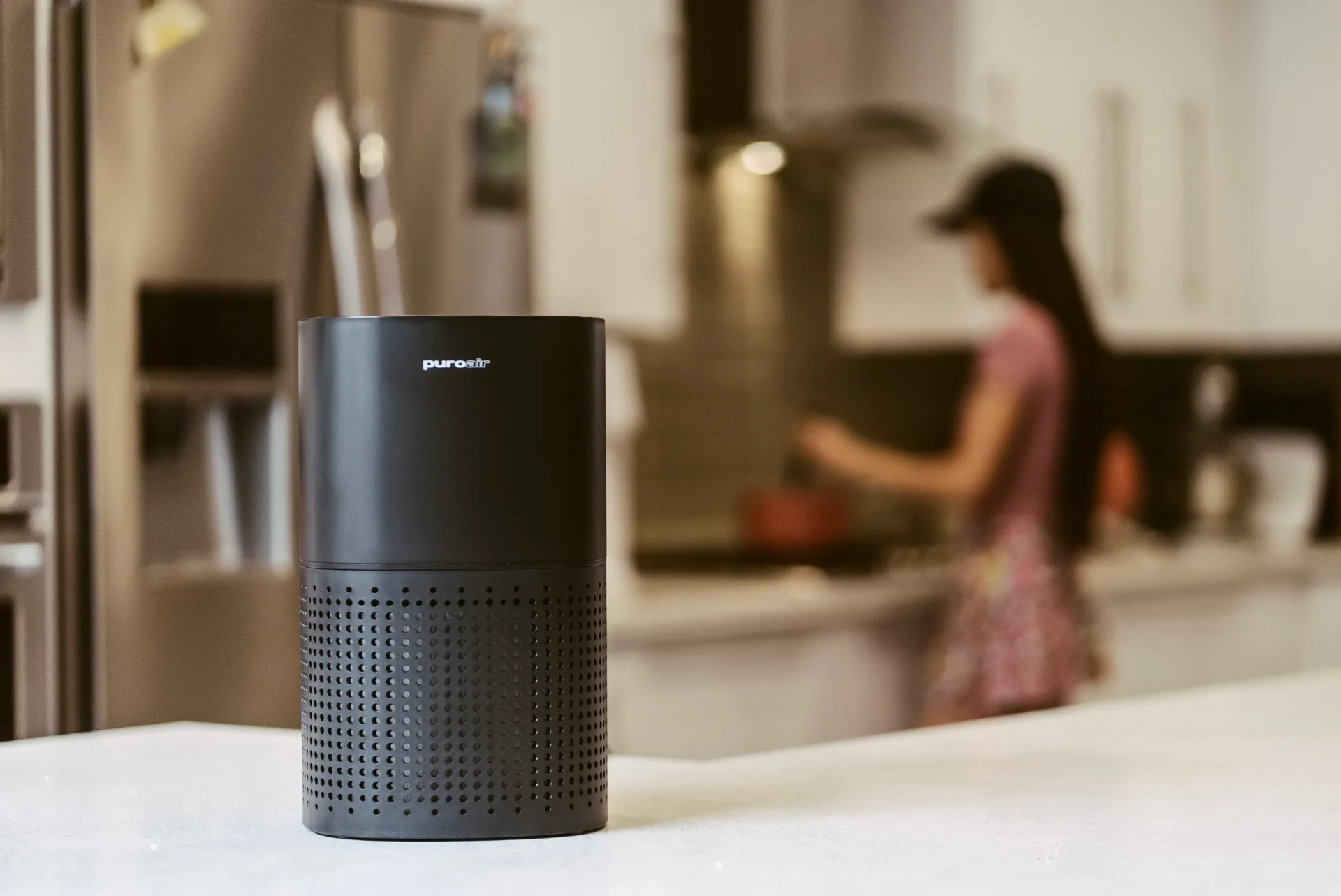
While trying to find a product that would help you breathe clean air at home, you come across a lot of technical words. Everyone tries to advertise their devices as being the most technologically advanced products, which can deal with dust, pet dander, and smoke from wildfires. Recently, one company has become very popular in online communities and Amazon’s bestseller list: PuroAir.
However, is it really superior to the regular systems people use? Is it just a fancy version of the things you already have at your home? Let’s see how special units differ from common household systems.
Understanding the Contenders: PuroAir vs. Traditional Setups
When we talk about choosing the best air purifier, the market splits into two main paths. On one side, you have specialized, standalone purifiers like the PuroAir 240, which are engineered for targeted, room-by-room filtration. On the other side, you have traditional setups, which typically refer to the standard HVAC built directly into your home’s central heating and cooling system.
The core technology behind the standalone unit relies on a specialized purifier design, pulling air dynamically through a localized multi-stage filter. On the other hand, conventional central systems’ air filters employ structural fiberglass or pleated paper inserts (based on MERV ratings) that not only guard your HVAC system but also filter the air as it passes through your whole home.
Side-by-side Comparison
When determining which system is the one that will clean the air, we need to consider how they deal with fine particles, cost, and usability. Standalone PuroAir are highly specialized, whereas central systems act as a broad baseline for the home.
| Metric | Standalone PuroAir (e.g., PuroAir 240) | Traditional HVAC System Filters |
| Average Initial Price | $150 – $200 per standalone unit | $15 – $40 per single replacement filter |
| Core Filtration Tech | High-Grade HEPA + Activated Carbon | Pleated Paper / Fiberglass (MERV 8-13) |
| Target Particle Size | Down to 0.1 microns (Allergens, smoke) | Down to 1.0–3.0 microns (Dust, lint, hair) |
| Odors & Gas Removal | Yes, via built-in activated carbon layer | No, unless buying specialty carbon HVAC filters |
| Smart Features | Air quality light indicators, auto fan mode | Dependent on smart home thermostats |
| Pros | Highly portable, quiet, dynamic localized filtration | Hidden from view, filters the whole house at once |
| Cons | Limited coverage area per unit; needs desk/floor space | Requires the central fan to run constantly; harder on system airflow |
Deep Dive: How the Systems Filter Air
To see where your money goes, it helps to understand exactly what happens inside these filters. Standalone units and standard home systems tackle airborne particles using entirely different physics and structural designs.
Standalone Units: Multi-Stage Precision
A dedicated hepa air purifier uses a 3-stage defense mechanism wrapped into a cylindrical core. Air is drawn into the unit horizontally, passing through:
- A Pre-Screen Mesh: Catches large and visible debris like floating pet hair and also carpet fibers.
- The High-Efficiency Filter: The dense core that traps microscopic allergens and mold spores.
- An Activated Carbon Layer: A chemical-absorbing layer that traps volatile organic compounds (VOCs), kitchen smoke, and lingering pet odors.
Because the air is localized, the internal fan can consistently force air through this dense material without affecting your home’s infrastructure.
Traditional HVAC Filters: High-Volume Maintenance
Traditional central air filters sit inside your return vents or furnace slots. Their primary job is structural: preventing massive dust bunnies from clogging up your home’s expensive heating and cooling coils.
High-efficiency pleated air filters (MERV 11 or higher or MERV 13) capture finer allergen particles but also impede airflow with considerable resistance. Your fan must have adequate strength to pull air through dense media, or it will run slower, wear out, overheat or cost a bundle to operate. Conventional filters also completely neglect smells and gases.
The Winner: Targeted Portability
WINNER: STANDALONE HEPA PURIFICATION
For capturing microscopic smoke, fine allergens, and stubborn home odors efficiently.
While traditional central system filters are absolutely necessary to protect your home’s furnace and keep massive dust levels down, they cannot match the precision of a dedicated room unit when it comes to personal health and immediate air cleaning. If you’re looking for the best air purifier for dust mites, a standalone unit is designed to trap the tiny particles that glide right through normal whole-house filters.
The Verdict
The ideal solution for removing pet odors in the rooms they’re most likely to be in and eliminating the source of allergy-causing perfume is a dedicated standalone HEPA air purifier. It purifies and cleans the air in a specific space, absorbs odors using activated carbon and operates silently next to your bed or desk.
But don’t dispose of the old setup. Your central home filters are like the big guy who catches the big stuff, such as lint, hair, heavy dust, and so on, protecting your HVAC system from it, while the standalone unit is like the sniper who takes out the microscopic stuff, such as allergens and odors. For the cleanest possible air, use both concurrently.
Frequently Asked Questions
Is there a way to just use a high MERV filter on my central HVAC rather than having to purchase a separate filter?
Central filters can be upgraded to a MERV 11 or 13 – but with some caution! Thick, Efficient Central Filters: Block Airflow. Older units may not be as efficient with a dense filter and may lead to structural wear and tear. Standalone units will come with an individual motor and will not strain your heating and cooling system.
How frequently do you have to change out the filters for both?
Standalone HEPA filters usually last 3 – 4 months (90 – 120 days) depending upon the amount of dust in your home. Traditional central pleated filters are recommended to be changed every 90 days, but in homes that have more than one pet that sheds, change them every 30 to 60 days.
Can isolated purifiers remove cooking and pet odors?
Yes, if they are equipped with an activated carbon layer. Standard HEPA material will collect solid particles, such as dust and pollen. Only when carbon granules come in contact with and react with gases, smoke, and odors chemically will they be removed. If you want this to be the case, then you have to purchase a specific type of home filter made from cardboard with a carbon-type insert.
Conclusion
You do not have to have a science project to clean the air quality inside of your home. Whole house filters are great at keeping larger particles such as heavy dust from entering into the air, but they are inefficient at cleaning air from very small allergens, such as pet dander, smoke, and smells. A multi-stage air purifier, such as the PuroAir air filter, can do a lot to help take up some of the space left in these highly trafficked areas in your home by delivering hospital-grade clean air exactly where you need it. Combined with a whole house filter system, the best of the technology of centralized filtration combined with modern stand-alone designs will ensure you will have clean, good-smelling air all year long.