

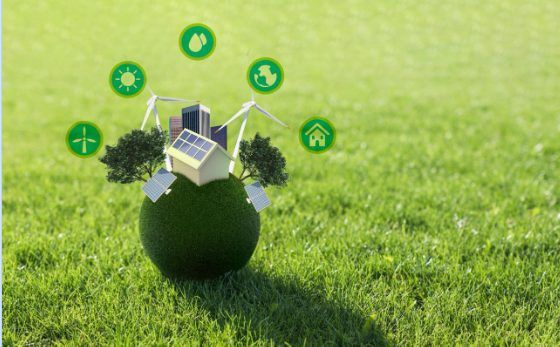
Australia stands at the forefront of global initiatives for sustainable and eco-friendly development. With a growing consciousness about the environment, Australians are increasingly eager to contribute to the creation of a green economy. This article aims to explore the methods through which individuals in Australia can actively participate in this green movement, focusing on the investment in off-grid solar power systems with power generators as a powerful and impactful strategy.
Australia’s Green Ambitions
Australia has emerged as one of the most proactive nations globally in advocating for green development. The preservation of the environment for future generations is of great importance to the people of this wonderful nation. As a testament to this commitment, various initiatives and movements have gained momentum, calling for sustainable practices and a shift towards a green economy.
However, to truly embody these green aspirations, Australians need actionable steps that align with their values. Investing in off-grid solar power systems is one such approach that not only aligns with these values but also provides tangible benefits for both individuals and the broader community.
Understanding the Green Economy in Australia
The green economy is a multifaceted concept that represents a paradigm shift in economic practices, emphasizing sustainability, environmental responsibility, and resource efficiency. In Australia, this transformative approach to economic development is gaining prominence as the nation grapples with the challenges posed by climate change and the increasing demand for eco-friendly solutions. The fundamental aim of the green economy is to find a way to maintain a harmonious relationship between the preservation of the environment and the promotion of economic growth. It envisions a future where businesses, individuals, and governments prioritize practices that minimize negative environmental impacts, promote conservation, and foster the sustainable use of resources.
Australia, with its unique and expansive terrains, is acutely aware of the environmental challenges it faces. Efforts to combat climate change have put the country in a leading position globally, and the promotion of a sustainable economy is a vital component of these endeavours. Over the years, Australia has witnessed a noticeable shift in mindset, with individuals and businesses recognizing the imperative to align economic activities with ecological well-being. The development of the green economy in Australia is visible across various sectors. The renewable energy sector has seen a substantial rise in the adoption of wind and solar power as alternative sources. Large-scale renewable energy projects dot the landscape, harnessing the abundant sunlight and wind that characterizes the Australian terrain.
The Transportation Sector is also going through a green transformation. Electric vehicles are gaining popularity, and initiatives to improve public transportation infrastructure are on the rise. The shift towards sustainable transportation is not only reducing carbon emissions but also fostering a culture of environmental consciousness among the Australian populace. Agriculture, a cornerstone of the Australian economy, is experiencing a shift towards more sustainable practices. Farmers are adopting techniques that prioritize soil health, water conservation, and biodiversity. Organic farming methods are gaining traction as consumers become increasingly conscious about the eco-impact of their food choices.
The green economy’s development is not confined to the corporate or industrial realm; it permeates into everyday life. Australians are increasingly embracing eco-friendly lifestyles, from reducing single-use plastic consumption to actively participating in recycling programs. This groundswell of individual commitment contributes significantly to the overall success of the green economy. Government policies and incentives further catalyze the development of the green economy in Australia. Initiatives supporting renewable energy projects, carbon offset programs, and sustainable practices in various industries underscore the nation’s commitment to fostering a greener future.
The green economy in Australia is a dynamic and evolving landscape. It represents a collective response to the urgent need for environmental stewardship and sustainable development. As individuals, businesses, and the government collaborate to integrate green practices into the fabric of the nation’s economy, Australia takes strides towards a more resilient, eco-conscious, and sustainable future.
Key Steps for a Prosperous Green Economy in Australia
Australia’s commitment to a green economy requires concrete actions on both individual and collective levels. By adopting sustainable practices in key areas, Australians can significantly promote the prosperity of the green economy.
- Sustainable Public Transportation:
One of the cornerstones of a green economy is the adoption of sustainable public transportation. Australians can play a vital role by choosing eco-friendly commuting options. Embracing public transportation, carpooling, cycling, or walking not only reduces individual carbon footprints but also contributes to the overall reduction of emissions from the transportation sector.
Investments in public transportation infrastructure are equally essential. Governments and local authorities can prioritize the development of efficient and environmentally friendly transit systems. This includes expanding public transport networks, promoting electric buses, and implementing smart transportation solutions. By making sustainable choices in transportation, Australians pave the way for cleaner air, reduced traffic congestion, and a more sustainable urban environment.
- Transition to Green Agriculture:
Australia’s agricultural sector, a crucial component of its economy, can undergo a green revolution by adopting sustainable farming practices. Farmers can transition towards organic farming, minimizing the use of synthetic fertilizers and pesticides. Implementing water-efficient irrigation systems and embracing agroforestry techniques contribute to soil health and biodiversity conservation.
Furthermore, supporting local and sustainable agriculture by choosing locally sourced and seasonal produce reduces the environmental impact associated with long-distance transportation. Consumers can actively contribute by making informed choices and supporting farmers who prioritize environmentally friendly practices. By fostering a culture of sustainable agriculture, Australians not only promote ecological resilience but also secure the sustainability of the food supply chain for the long run.
- Using Renewable Energies for Home Appliances:
Individuals can have a substantial positive effect on the green economy by transitioning to renewable energies to power their homes, such as building an off-grid solar power system. Installing solar panels on rooftops with off-grid inverters allows households to harness the abundant sunlight available in Australia. This not only increases independence from conventional energy sources but also leads to long-term cost savings.
Advancements in technology, coupled with government incentives, make it increasingly feasible for homeowners to invest in solar power systems. Additionally, energy-efficient appliances and practices, such as using LED bulbs and optimizing energy consumption, further contribute to a sustainable home environment.
Encouraging the adoption of renewable energy can be significantly influenced by government policies. Subsidies, tax incentives, and awareness campaigns can motivate more Australians to embrace clean energy solutions. Australians are taking a proactive approach towards transitioning to a more eco-friendly and sustainable energy landscape by embracing renewable energy sources in their daily lives.
The path to a prosperous green economy in Australia lies in the collective efforts of its citizens. Sustainable public transportation, green agriculture, and the use of renewable energies at home represent actionable steps that individuals can take to devote themselves to a more eco-friendly and resilient future. As Australians embrace these practices, they not only enhance their quality of life but also matter in shaping a sustainable and prosperous nation for generations to come.

The Role of Off-Grid Solar Power Systems
Off-grid solar power systems are instrumental in advancing the goals of a green economy, particularly in a vast and sun-drenched country like Australia. These systems, which operate independently of the traditional power grid, harness solar energy to generate clean and sustainable electricity. Understanding their role within the broader context of the green economy unveils the transformative impact they can have on both an individual and national scale.
The primary function of off-grid solar power systems is to decentralize energy production. By enabling individuals and communities to generate their own power, these off-grid solar power systems reduce reliance on conventional energy sources, thereby mitigating the environmental impact associated with traditional electricity generation. In the context of the green economy, this decentralization fosters resilience and sustainability, contributing to the overall stability of the energy infrastructure.
Off-grid solar power systems empower Australians to take charge of their energy consumption. The abundant sunlight that graces the Australian landscape provides an abundant and renewable resource. Individuals make good efforts to the reduction of greenhouse gas emissions by utilizing this resource and decreasing their carbon footprint. This aligns with Australia’s commitment to combating climate change and fostering a sustainable future.
Moreover, the versatility of off-grid solar power systems makes them adaptable to diverse settings, from urban households to remote rural areas. In regions where access to traditional power sources is limited, off-grid solar systems can be a lifesaver as they offer a dependable source of electricity for vital needs like lighting and communication.
The use of off-grid solar power systems on a higher level helps in achieving energy security and independence. By diversifying the energy mix, Australia becomes less vulnerable to disruptions in centralized power grids. This not only ensures a consistent power supply but also enhances the nation’s ability to weather challenges such as natural disasters or grid failures.
The role of off-grid solar power systems in the green economy is transformative. As Australians embrace these portable power systems, they not only contribute to a more sustainable and resilient energy landscape but also actively participate in the collective effort towards a greener and eco-conscious future. By harnessing the power of the sun, Australians can unlock a cleaner, more sustainable energy future, setting the stage for a prosperous and environmentally conscious nation.
Introducing Jackery Solar Generator 2000 Plus
In the realm of off-grid solar power systems, the Jackery Solar Generator 2000 Plus emerges as a beacon of innovation and efficiency. This cutting-edge solution encapsulates a myriad of features that solidify its status as a powerful and reliable choice for those looking to invest in clean and sustainable energy.
- Versatility:
Versatility is another key strength of the Jackery Solar Generator 2000 Plus. Equipped with multiple output options, including 3 AC outputs, 2 USB-A outputs and 2 USB-C outputs, this solar power station generator can power an array of devices. From smartphones and laptops to home appliances, its adaptability meets the diverse needs of users, providing a comprehensive solution for sustainable energy consumption.
- Efficiency:
Off-grid solar power systems need to be efficient enough, or the user experience will be terrible. Luckily, efficiency is at the core of the Jackery Solar Generator 2000 Plus. Its high-capacity lithium battery maximizes energy storage and utilization, ensuring a reliable and continuous power supply. Equipped with 6 Jackery SolarSaga 100W Solar Panels, it takes only 6 hours to recharge the battery fully. This efficiency not only optimizes the performance of the system but also contributes to long-term sustainability by optimizing energy usage.
Recap: A Holistic Approach to Green Living
The journey towards a green economy in Australia involves individual and collective efforts. Australians are making strides in sustainable public transportation, transitioning to green agriculture, and incorporating renewable energies and off-grid solar power systems into their homes. These actions reflect a collective commitment to environmental stewardship and a more sustainable way of life. By combining individual actions with innovative and reliable solutions, Australians can propel the nation towards a greener and more eco-conscious future.
Jackery: A Trusted Partner in Green Living:
The success of the green economy in Australia is deeply intertwined with the proactive efforts of its citizens. To complement these efforts, the Jackery Solar Generator 2000 Plus stands as a reliable ally in the pursuit of green living. With its wealth of experience in manufacturing solar-powered products, Jackery has become synonymous with innovation and trust. The company’s commitment to providing sustainable solutions and manufacturing solar-powered products underscores the potential for positive change, further inspiring trust and confidence in its offerings. Together, these endeavours form a crucial step towards a flourishing green economy in Australia.
