



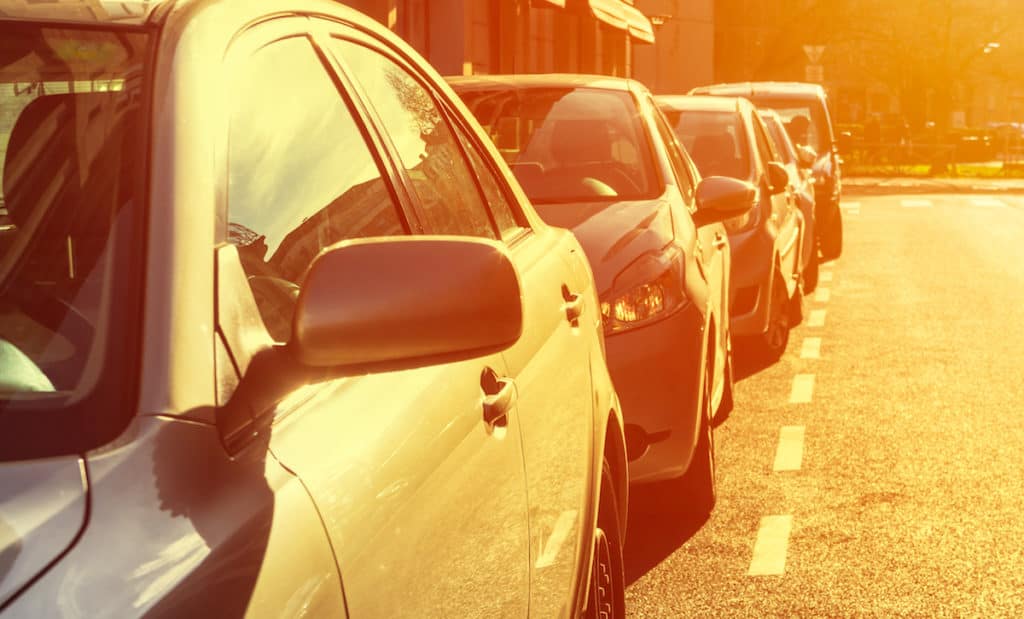
South Florida isn’t hard on cars the way cold climates are. There’s no road salt, no ice, no freeze-thaw cycles grinding away at the undercarriage. But the sun here is in a different category altogether. Year-round UV exposure, intense heat that turns a parked car into an oven, and coastal humidity that works its way into every unsealed surface. Vehicles age faster in South Florida than in almost any other part of the country, and most of it is entirely preventable with the right protection in place early.
What the Sun Is Actually Doing to Your Car
UV rays break down clear coat over time, causing oxidation that shows up as chalky, faded paint that no longer has the depth or shine of a new vehicle. Once clear coat degrades, the damage accelerates. AAA notes that prolonged sun and heat exposure can dry out materials, fade paint, and compromise interior surfaces that would otherwise last the life of the vehicle. In South Florida’s climate, that process starts sooner and moves faster than most car owners expect.
The financial impact matters too. A vehicle with faded paint, a cracked dashboard, and sun-damaged upholstery trades in for significantly less than the same vehicle properly maintained. Protection isn’t a luxury purchase. It’s a way to preserve what you’ve already spent.
Window Tinting: The First Line of Defense
Heat and UV enter primarily through glass. An unprotected windshield and side windows let the full force of South Florida’s sun hit your dashboard, seats, and interior trim every time the car is parked outside. Quality window film blocks a substantial percentage of UV radiation and infrared heat before it reaches the interior, which keeps temperatures lower, reduces fading, and makes the car more comfortable to drive.
Homeowners aren’t the only ones making this call. Drivers looking into car tinting in Miramar often find the difference in cabin temperature alone justifies the investment, before factoring in the UV protection and extended life of interior materials.
Paint Protection Film: For Cars That Take the Full Brunt
Paint protection film is a clear urethane layer applied directly to the painted surface. It shields against UV degradation, minor abrasions, rock chips, and the kind of surface damage that accumulates over years of normal driving. High-quality film is self-healing for light scratches and nearly invisible on a well-installed application.
In South Florida, where vehicles often sit in direct sun for hours at a time and coastal air carries salt and humidity, PPF extends the life of a paint job significantly. It’s particularly worth considering on newer vehicles where resale value is still substantial, or on darker colors that show oxidation and scratching more clearly.
Ceramic Coating: Durable Protection at a Lower Price Point
For drivers who want meaningful UV and oxidation protection without the cost of a full PPF application, ceramic coating is the practical alternative. It bonds to the clear coat and creates a hard, hydrophobic layer that repels water, contaminants, and UV rays. A professional-grade ceramic coating typically lasts two to five years and makes routine maintenance significantly easier, since dirt and grime release from the surface more readily.
It won’t stop rock chips the way film does, but for everyday UV protection and maintaining paint clarity over time, it’s a strong option.
The Same Logic Applies to Property
The principle isn’t unique to vehicles. Protecting valuable assets from weather and environmental damage before degradation starts is consistently more cost-effective than restoration after the fact. A car treated with quality window film and a paint protection layer at year one will look considerably better at year five than the same vehicle left unprotected, and will sell for more when the time comes.
Start Before It’s Already Visible
The time to protect a vehicle is before the damage is obvious. Once paint oxidizes, once the dashboard cracks, once window seals dry out, you’re in repair territory rather than prevention territory. In South Florida, that window closes faster than in most places. The cars that hold up here are the ones that were set up properly from the start.


