



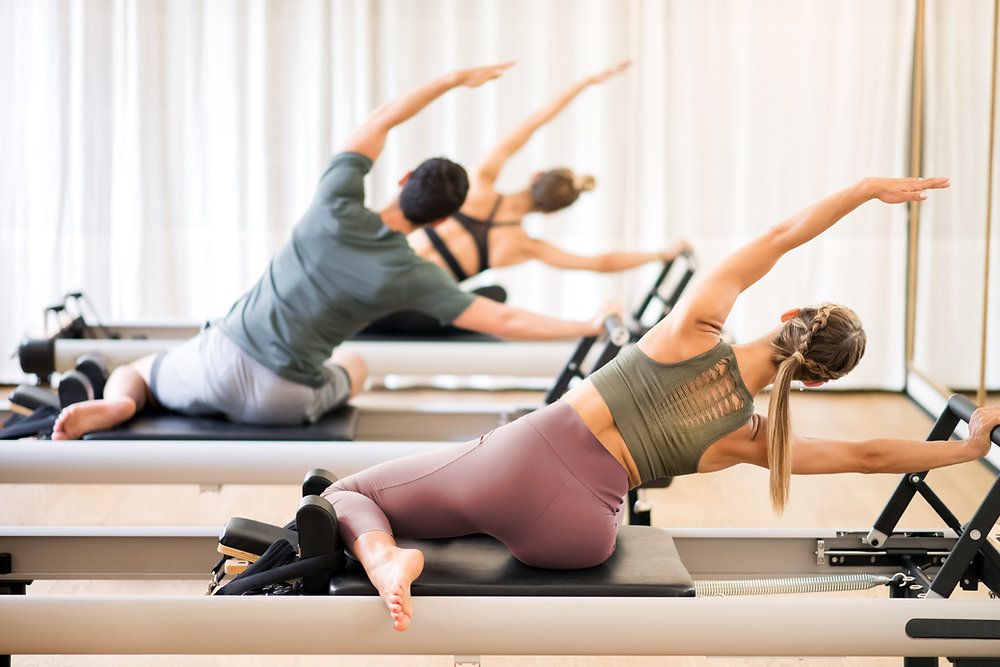
Pilates has picked up a bit of a reputation over the years as something polished, slow and maybe slightly intimidating if you’ve only ever seen it through studio photos, reformer machines and people who appear to own a lot of matching activewear. But underneath all of that, Pilates is actually a very practical form of movement. It’s about strength, control, balance, mobility and learning how to use your body with a little more awareness, which is useful whether you’re recovering from an injury, dealing with stiffness, trying to move better at work or simply wanting exercise that doesn’t leave you feeling completely wrecked.
That’s why the benefits of Clinical Pilates can be so relevant for people who want something more tailored than a generic workout. Clinical Pilates is often guided by a physiotherapist or trained professional who can take into account how your body is moving, where you’re compensating, what might need strengthening and what needs a bit more care, so the exercises feel purposeful rather than random.
It Builds Strength Without Rushing
One of the best things about Pilates is that it doesn’t rely on speed or heavy impact to be effective. A movement can look small and still be surprisingly challenging when it’s done properly. That slower pace gives people a chance to notice what’s happening through their spine, hips, shoulders, core and breath, instead of just pushing through and hoping everything works itself out.
For people coming back from injury, that control can be especially helpful. You’re not trying to prove how hard you can train. You’re learning how to move well, rebuild confidence and strengthen the areas that support everyday movement. That might mean better posture at a desk, more stability when walking or running, less discomfort during normal tasks, or simply feeling less fragile when you bend, lift or twist.
It Can Be Adapted to Different Bodies
A good Pilates session doesn’t need everyone doing the exact same thing in the exact same way. Exercises can be adjusted depending on strength, flexibility, pain, pregnancy, age, fitness level or recovery goals. That adaptability is a big part of why Pilates suits such a wide range of people, including those who might not feel comfortable jumping straight into high-intensity training.
It also helps people understand their own movement patterns. You might discover that one side is doing more work than the other, that your hips are tighter than you thought, or that your core strength isn’t quite supporting you the way it could. None of that needs to be treated as a failure. It’s just useful information.
Better Movement Shows Up Everywhere
The real value of Pilates often appears outside the session. It’s in the way you sit, carry groceries, climb stairs, play sport, garden, lift kids, or get through a workday without feeling as stiff as usual.
Practical, Not Precious
Pilates doesn’t have to be about perfect form in a perfect studio. At its best, it’s a smart, steady way to build strength and body awareness that carries into ordinary life. When the exercises are chosen well and progressed at the right pace, Pilates becomes less about looking graceful and more about feeling capable, supported and comfortable in the way you move.


