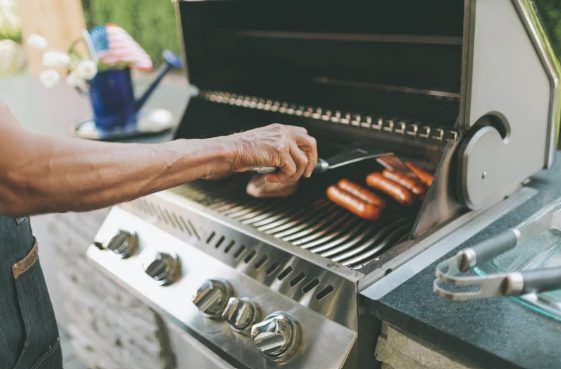
There’s something special about gathering around a grill. Whether you’re hosting a backyard barbecue, preparing a family dinner, or simply enjoying a weekend cookout, grilling brings people together. The aroma of sizzling steaks, burgers, chicken, and vegetables creates an experience that goes beyond just preparing food.
However, amid the excitement of grilling, one important aspect is often overlooked: preventing cross-contamination. While achieving perfect grill marks and juicy results may be the goal, food safety should always be a top priority. Cross-contamination can introduce harmful bacteria into cooked food, increasing the risk of foodborne illness and potentially turning an enjoyable meal into an unpleasant experience.
Fortunately, preventing cross-contamination while grilling isn’t complicated. It simply requires a few good habits and a little extra attention during food preparation and cooking.
What Is Cross-Contamination?
Cross-contamination occurs when harmful bacteria from raw foods, particularly raw meat, poultry, or seafood, are transferred to other foods, surfaces, or utensils. Common bacteria such as Salmonella, E. coli, and Campylobacter can be present in raw meats. If these bacteria come into contact with cooked food or ready-to-eat items, they can spread and cause illness.
Grilling environments often create opportunities for cross-contamination because multiple foods, utensils, and preparation surfaces are being used simultaneously. A pair of tongs that touches raw chicken and then handles cooked food without being cleaned can easily transfer bacteria. The same applies to cutting boards, serving platters, and even hands.
Understanding these risks is the first step toward creating a safer grilling experience.
Start With Proper Hand Hygiene
One of the simplest yet most effective ways to prevent cross-contamination is frequent handwashing.
Before handling food, wash your hands thoroughly with soap and warm water for at least 20 seconds. This becomes even more important after touching raw meat. Anytime you switch from handling raw ingredients to cooked foods, vegetables, or serving items, wash your hands again.
While grilling outdoors, consider keeping hand sanitizer nearby for convenience, but remember that sanitizer should not replace proper handwashing whenever possible. If you’re hosting a barbecue away from a sink, prepare a portable handwashing station using clean water, soap, and paper towels.
Good hand hygiene creates a strong foundation for safe food preparation.
Keep Raw and Cooked Foods Separate
One of the most common grilling mistakes is placing cooked food back onto a surface that previously held raw meat.
Imagine marinating chicken on a platter and then using that same platter to serve the cooked chicken. Even though the chicken has reached a safe internal temperature, bacteria left behind from the raw poultry may still be present on the platter.
To avoid this, always designate separate containers for raw and cooked foods. Many grillers find it helpful to use a dedicated meat tray for transporting uncooked items to the grill while reserving a clean serving dish exclusively for finished food.
This simple habit significantly reduces the risk of bacterial transfer.
Use Separate Utensils
Tongs, spatulas, forks, and brushes are constantly moving between foods during grilling sessions. Without careful attention, these tools can easily become a source of contamination.
Ideally, use one set of utensils for handling raw meat and another set for cooked food. If maintaining separate tools isn’t practical, thoroughly wash utensils with hot, soapy water before using them on cooked items.
Pay special attention to basting brushes. If a brush has touched raw meat or raw marinade, do not use it again on fully cooked food unless it has been cleaned properly.
Labeling utensils or using different colors can make it easier to keep track of which tools belong to each stage of the cooking process.
Be Careful With Marinades
Marinades add flavor and tenderness, but they can also become a hidden source of contamination.
Once raw meat has been soaking in a marinade, the liquid should be considered contaminated. Never use leftover marinade as a sauce without cooking it first. Bringing the marinade to a full boil can kill harmful bacteria and make it safe for serving.
A good strategy is to reserve a portion of the marinade before adding raw meat. This separate portion can later be used for basting or serving without any food safety concerns.
Small precautions like this can make a big difference.
Clean Your Grill Regularly
Many people focus on food preparation while overlooking the grill itself.
Grill grates can accumulate food residue, grease, and carbon buildup over time. While high heat destroys many bacteria, leftover debris can still affect food quality and create sanitation concerns.
Before each grilling session, preheat the grill and brush the grates thoroughly. Removing residue not only improves cleanliness but also helps prevent sticking and promotes better cooking performance.
Regular maintenance is crucial for optimal grill performance. It’s recommended to clean the grates routinely, oil them to prevent sticking, and allow adequate preheating time.
A clean grill contributes to both food safety and better-tasting meals.
Understand Temperature Zones
Proper cooking temperatures play a major role in food safety.
Acquaint yourself with your grill’s temperature zones. Different meats necessitate varied temperatures. For instance, beef steaks thrive on high heat for a quick sear. At the same time, poultry benefits from medium heat over an extended period.
Using a food thermometer is one of the most reliable ways to verify that meat has reached a safe internal temperature. Visual cues alone are not always accurate.
For example:
- Chicken should reach 165°F (74°C).
- Ground meats generally require 160°F (71°C).
- Pork should reach 145°F (63°C) followed by a resting period.
- Beef steaks may vary depending on preferred doneness.
A quality thermometer removes guesswork and helps ensure food is cooked safely.
Avoid Common Grilling Mistakes
Cross-contamination often occurs because people become distracted during busy cookouts.
When several foods are cooking at once, it’s easy to accidentally use the wrong utensil or place cooked food in the wrong location. Creating a simple workflow can help prevent mistakes.
Consider organizing your grilling station into separate zones:
- Raw food preparation area
- Grilling area
- Cooked food serving area
Keeping these zones distinct makes it easier to maintain good food safety practices throughout the cooking process.
Planning ahead may seem unnecessary at first, but it quickly becomes valuable when managing larger gatherings.
Handle Grilling Challenges Safely
Even experienced grillers occasionally encounter flare-ups, uneven heating, or cooking delays.
Address flare-ups promptly by adjusting the heat. Should you encounter uneven cooking, strategic repositioning can be beneficial. Post-grilling, allowing meats to rest, enhances flavor retention.
Resting meat not only improves texture and juiciness but also provides a natural pause before serving. During this time, ensure the resting meat remains on a clean surface separate from any raw ingredients.
Maintaining awareness throughout the grilling process helps reduce opportunities for contamination.
Store Leftovers Properly
Food safety doesn’t end when the meal is over.
Cooked meat should not remain at room temperature for extended periods. Once the meal concludes, refrigerate leftovers promptly in clean containers.
When reheating leftovers, ensure they reach a safe temperature before serving again. Proper storage and reheating practices help prevent bacterial growth after cooking.
Taking care of leftovers is an often-overlooked part of overall grilling safety.
Final Thoughts
Grilling should be enjoyable, and practicing good food safety doesn’t have to complicate the experience. Most cross-contamination risks can be avoided through simple habits such as washing hands, separating raw and cooked foods, using clean utensils, and maintaining a well-organized cooking area.
By paying attention to these details, you can focus on what matters most: serving delicious food with confidence. Whether you’re grilling for a small family dinner or hosting a large backyard gathering, taking a proactive approach to food safety helps ensure that every meal is memorable for the right reasons.
The best barbecue isn’t just flavorful and perfectly cooked. It’s also prepared with care, attention, and a commitment to keeping everyone at the table safe.