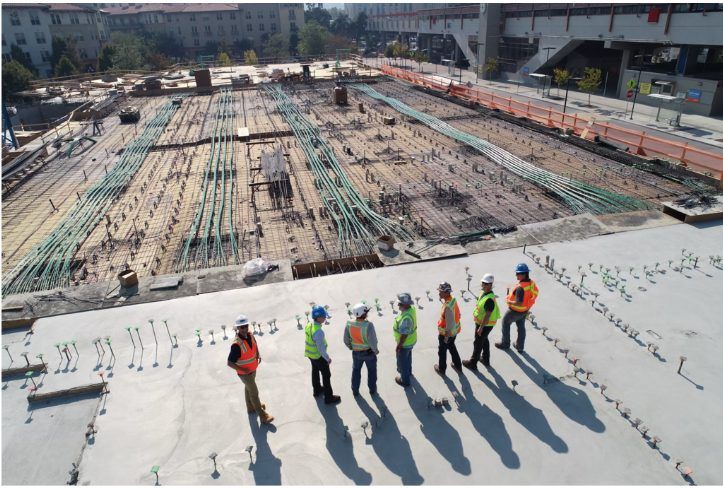
Construction sites remain among the most hazardous work environments in the United States. Every day, workers face risks from heavy machinery, elevated platforms, electrical systems, and constantly changing site conditions. Traditional safety briefings—often rushed or inconsistent—struggle to cut through the noise of a busy jobsite. Yet the stakes couldn’t be higher: a single preventable accident can derail projects, devastate families, and expose companies to crippling liability.
Construction safety toolbox talks have emerged as a critical intervention point. These brief, focused meetings create regular touchpoints where crews can discuss hazards, review protocols, and reinforce a culture of vigilance. When enhanced with professionally produced video content, these sessions transform from perfunctory check-the-box exercises into engaging learning experiences that workers actually remember when it matters most.
Why Safety Culture Determines Project Outcomes
The construction industry’s safety record tells a sobering story. According to OSHA’s workplace injury statistics, construction accounts for a disproportionate share of fatal occupational injuries despite representing a smaller fraction of the overall workforce. Beyond the human cost, these incidents create cascading business consequences that extend far beyond immediate medical expenses.
A robust safety culture delivers measurable advantages across multiple dimensions:
- Workforce Stability: Companies with strong safety records experience lower turnover, as skilled workers gravitate toward employers who demonstrate genuine commitment to their wellbeing.
- Regulatory Compliance: Systematic safety programs reduce exposure to OSHA citations, which can trigger costly work stoppages and damage bonding capacity.
- Project Continuity: Preventing accidents eliminates the schedule disruptions and productivity losses that occur when incidents force work halts or crew reassignments.
- Competitive Positioning: General contractors and project owners increasingly require subcontractors to demonstrate documented safety performance, making strong records a prerequisite for bidding premium work.
Organizations with mature safety cultures see measurably lower incident rates and higher employee satisfaction scores. The correlation between safety investment and business performance isn’t coincidental—it reflects fundamental operational discipline that extends across all aspects of project execution.
The Video Advantage in Safety Training
Safety meeting videos address a fundamental challenge in construction training: the gap between knowing procedures and applying them under pressure. Written protocols and verbal instructions often fail to translate into muscle memory when workers face real-world hazards. Video content bridges this gap through several cognitive mechanisms that enhance both comprehension and retention.
The medium offers distinct advantages over traditional training approaches:
- Procedural Demonstration: Complex sequences—from proper harness inspection to trench shoring techniques—become immediately clear when workers can observe correct execution rather than interpreting written descriptions.
- Standardized Messaging: Every crew member receives identical information, eliminating the inconsistencies that creep in when different supervisors deliver verbal briefings with varying levels of detail or emphasis.
- Cognitive Engagement: The combination of visual, auditory, and sometimes textual information activates multiple learning pathways, significantly improving information retention compared to single-mode delivery.
- Scenario Realism: Well-produced videos can recreate hazardous situations that would be impossible or dangerous to demonstrate live, allowing workers to recognize warning signs before encountering them on site.
Production Quality and Content Strategy
Not all safety videos deliver equal value. Poorly produced content—whether due to technical shortcomings, irrelevant scenarios, or excessive length—can actually undermine safety culture by signaling that the organization doesn’t take training seriously enough to invest in quality materials. Effective construction safety video content requires strategic planning across multiple dimensions.
Key production considerations include:
- Scenario Authenticity: Generic safety footage fails to resonate with workers who immediately recognize when content doesn’t reflect their actual work environment. Effective videos use realistic jobsite settings, appropriate equipment, and situations workers genuinely encounter.
- Focused Messaging: Each video should address a specific hazard or procedure rather than attempting comprehensive coverage. Fifteen minutes on fall protection proves more effective than an hour-long compilation covering every possible risk.
- Technical Clarity: Professional audio and video quality isn’t vanity—it’s functional. Workers can’t learn from content they can’t hear or see clearly, particularly in noisy jobsite environments where videos are often viewed.
- Interactive Elements: Brief comprehension checks or discussion prompts embedded in video content transform passive viewing into active learning, significantly improving retention and application.
Companies implementing video-based toolbox talks should establish a content library organized by hazard category, trade specialty, and project phase. This allows supervisors to select relevant material for each crew’s specific circumstances rather than defaulting to one-size-fits-all presentations that waste time on irrelevant topics.
Calculating the Return on Safety Investment
Finance teams often scrutinize safety expenditures as overhead rather than recognizing them as risk mitigation investments with quantifiable returns. Yet the economics of construction safety video implementation become compelling when analyzed against the true cost of incidents. A comprehensive ROI calculation must account for both direct and indirect cost factors.
Direct cost savings emerge from several sources:
- Workers’ Compensation Premiums: Insurance carriers adjust rates based on experience modification rates (EMR). Companies that reduce incident frequency see premium reductions that compound over time, often recovering video production costs within a single policy period.
- Medical and Legal Expenses: Even minor injuries generate costs for first aid, medical evaluation, and administrative processing. Serious incidents trigger legal expenses, settlement costs, and potential punitive damages that can reach seven figures.
- Productivity Protection: Incidents halt work not just for the injured worker but often for entire crews during investigation and remediation. The lost productivity from a single serious incident can exceed the annual cost of a comprehensive video training program.
Indirect benefits often exceed direct savings but receive less attention in traditional cost-benefit analyses. Enhanced safety performance improves bonding capacity, expands bidding opportunities, and strengthens relationships with general contractors who face their own pressure to maintain safe projects. Platforms like Ally Safety, Safesite, and SafetyCulture help construction firms implement and track video-based safety training programs while measuring these broader business impacts.
Regulatory Compliance and Documentation
OSHA regulations require construction employers to provide competent person training, hazard communication, and site-specific safety instruction across numerous standards. Video-based toolbox talks create auditable documentation that demonstrates compliance with these requirements—a critical consideration when regulators investigate incidents or conduct programmed inspections.
The compliance value extends beyond basic documentation:
- Consistent Standards: Videos ensure that every worker receives training that meets regulatory requirements, eliminating the risk that individual supervisors might omit required elements during verbal briefings.
- Attendance Verification: Digital platforms can track which workers attended which sessions, creating records that demonstrate individual training history if questions arise during investigations.
- Content Updates: When regulations change, video libraries can be updated systematically rather than relying on word-of-mouth dissemination of new requirements through supervisor networks.
- Multilingual Accessibility: Professional safety videos can be produced with multiple language tracks or subtitles, ensuring that non-English-speaking workers receive the same quality instruction as English speakers—a requirement often difficult to meet through live translation.
Legal counsel specializing in construction matters increasingly advises clients to maintain comprehensive training documentation as a core element of litigation defense strategy. When incidents do occur, the ability to demonstrate that workers received thorough, professional safety instruction can significantly influence liability determinations and settlement negotiations.
Implementation Framework for Video-Based Safety Programs
Transitioning from traditional toolbox talks to video-enhanced sessions requires more than simply purchasing content. Successful implementation demands systematic planning, supervisor training, and ongoing evaluation to ensure the investment delivers intended results.
Organizations should follow this structured approach:
- Conduct a Hazard Inventory: Catalog the specific risks present across your project types, identifying which hazards cause the most incidents or near-misses in your operations. This data should drive content prioritization rather than generic topic lists.
- Evaluate Content Sources: Assess whether to develop custom videos, license existing libraries, or combine both approaches. Custom content offers maximum relevance but requires significant production investment. Licensed libraries provide immediate breadth but may require supplementation for specialized operations.
- Establish Delivery Infrastructure: Determine how videos will be accessed and viewed on jobsites. Solutions range from simple tablet-based playback to sophisticated platforms that track engagement and comprehension across multiple projects simultaneously.
- Train the Trainers: Supervisors need guidance on facilitating video-based sessions effectively—pausing for discussion, connecting content to site-specific conditions, and encouraging questions rather than simply pressing play and walking away.
- Create Feedback Mechanisms: Implement systems for workers and supervisors to report which videos prove most valuable and which topics need better coverage. This intelligence should drive continuous content improvement.
- Measure Leading Indicators: Track metrics beyond incident rates—near-miss reporting, hazard identification, and safety observation participation all indicate whether video training is changing behavior before incidents occur.
The most successful programs integrate best safety videos into broader safety management systems rather than treating them as standalone initiatives. When video content reinforces messages from site inspections, pre-task planning, and incident investigations, workers encounter consistent themes through multiple channels—the repetition that drives lasting behavioral change.
Building a Sustainable Safety Culture
Video-enhanced toolbox talks represent more than a training tactic—they signal organizational values. When companies invest in professional, relevant safety content, they communicate that worker protection merits serious resources. This message resonates particularly with younger workers who increasingly evaluate employers based on demonstrated values rather than compensation alone.
The construction industry faces persistent workforce challenges as experienced tradespeople retire and fewer young people enter the trades. Safety performance has emerged as a differentiator in talent competition. Companies known for strong safety cultures find recruiting easier and retention higher, creating competitive advantages that extend far beyond workers’ compensation premiums.
For business leaders evaluating safety investments, the question isn’t whether video-based training delivers value—the evidence on that point is clear. The relevant question is whether your organization can afford the competitive disadvantage of maintaining outdated training approaches while others advance. In an industry where reputation and relationships drive opportunity, safety performance increasingly determines which companies get called for the next project.