

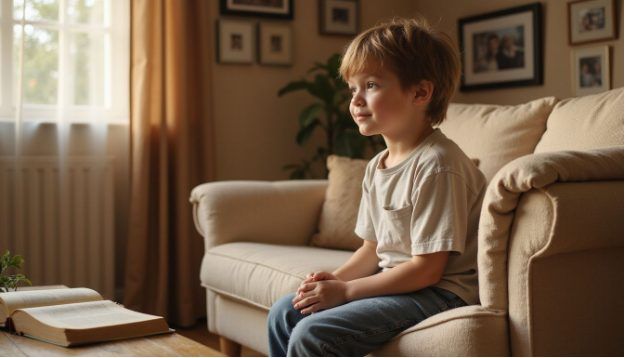
Many parents find it hard to keep their homes calm for kids with autism. Loud or unexpected noises can make children feel stressed and anxious. This blog will share easy ways to use sound for a peaceful and comforting home.
Keep reading to learn simple steps that help your child relax!
The Importance of Sound in a Calming Environment
Sound shapes how kids with autism feel at home. Loud or harsh noises can trigger stress and anxiety. Soft, controlled sounds help create a sense of safety. Calming sounds support sensory regulation and lower tension levels.
Calm background noise, like soothing music or gentle white noise, helps kids focus and relax. The right soundscapes improve emotional well-being and make daily routines easier for families who want a structured environment for their children.
Creating a peaceful home environment is just one part of building a supportive life for children on the spectrum. Many families also explore special needs financial planning to ensure long-term security and tailored care solutions.
Understanding Sound Sensitivities in Autism
Some children with autism have strong reactions to everyday sounds. These kids may hear normal noises as much louder or more painful than other people do. Common household sounds like vacuum cleaners, blenders, doorbells, or loud music can cause anxiety or even pain for them.
This reaction is called noise sensitivity and affects up to 90% of children with autism spectrum disorder (ASD). Too much sound can lead to stress, meltdowns, or a need to escape the area.
Many families use sensory regulation and calming techniques at home because of this noise sensitivity. Soft soundscapes and soothing music often help create a structured space that feels safe for kids who have trouble filtering sounds and reduce any possible pain.
Tools like fidget toys and quiet zones offer comfort during stressful moments. Parents might notice their child covers their ears during noisy times, avoids busy rooms, or becomes upset without warning in certain settings. Understanding these responses is an important step toward providing stronger autism support through environmental design at home.
Choosing Calming Sounds for the Home
You can create a peaceful space for your child by picking gentle and calming sounds that fit their needs; learn more in the next section.
Nature Sounds
Nature sounds help many kids with autism feel calm and safe. Birds singing, gentle rain, or ocean waves create a pleasant soundscape that supports sensory regulation. Natural soundscapes mask harsh noises that might cause stress at home. Using recorded nature sounds or apps can lower anxiety levels for children who have noise sensitivity.
Listening to water sounds helps reduce stress in sensory-friendly spaces. Soft forest music may also help with relaxation techniques by making the room feel peaceful. White noise machines are another helpful auditory tool for kids looking for calm spaces in their structured environment.
White Noise Machines
Nature sounds can help kids feel calm. White noise machines offer another way to create a soothing background for children with autism. These devices block sudden noises like dogs barking or doors slamming. The steady sound helps prevent sensory overload and keeps the space peaceful.
Many families use white noise machines at night or during quiet time. Studies show that these simple auditory tools support better sleep, reduce anxiety, and make transitions easier in structured spaces. Choose a machine with volume and timer controls to fit your child’s needs. This creates a safer acoustic environment for sensory regulation and relaxation techniques at home.
Soft Instrumental Music
Soft instrumental music helps children with autism feel calm and safe. Simple tunes from piano, guitar, or flute can lower anxiety and support sensory regulation. Classical pieces or gentle lullabies make good choices for relaxation techniques at home. High-quality speakers can enhance the listening experience by delivering clear, soothing sound without distortion, ideal for creating a calm, sensory-friendly space.
Kids often respond well to predictable sounds in a structured environment. Play soothing music during quiet zones or before bedtime as part of a sound routine. Keep the volume low to prevent overwhelming noise sensitivity and support emotional well-being through therapeutic soundscapes.
Soundproofing Techniques to Reduce Noise
Soft materials in a room help muffle loud sounds. Quiet spaces with less echo make kids feel safe and calm.
Installing Soundproof Panels
Soundproof panels help reduce noise in a child’s room or quiet zone. These panels absorb sound, making the space calmer for kids with noise sensitivity. Many families use foam or fabric-covered panels on walls and ceilings for better sensory regulation. Installing these panels is easy; most stick to surfaces with simple adhesives.
Panels block out harsh outdoor sounds like traffic and loud neighbors. This helps create a structured environment that supports relaxation techniques and anxiety management. Using soundproofing can make calming music or soothing nature sounds more clear in your child’s safe space at home.
Using Rugs and Curtains for Noise Absorption
Placing thick rugs on floors helps absorb sounds in busy rooms. Curtains made from heavy fabrics also block outside noise and reduce echo. Together, these items create a softer acoustic environment for kids with autism. Rugs and curtains support sensory regulation by lowering harsh noises that can trigger stress or anxiety.
Soft surfaces like curtains and carpets help quiet the home; this small change makes a big difference for sensitive ears. Adding these simple tools works well with other soundproofing techniques to build calm spaces at home.
Incorporating Sound-Based Sensory Tools
Sound-based sensory tools help kids find calm in loud or busy spaces. These simple tools can offer comfort and support emotional well-being through soothing sounds.
Musical Toys and Instruments
Musical toys and simple instruments like xylophones, hand drums, or shakers help kids with autism explore calming sounds. Many children use these tools to practice sensory regulation at home. Soft rhythms soothe the mind and can lower anxiety levels. Some studies show that using rhythmic instruments supports relaxation techniques and helps create a structured space.
Kids often enjoy tapping a drum or shaking bells during quiet time. These activities are easy to set up in calm spaces at home. Playing musical instruments gives children choices about what sounds feel good for them, which encourages emotional well-being.
Noise-Canceling Headphones
After exploring musical toys and instruments, some kids may need more help with sensory regulation. Noise-canceling headphones can block out loud or harsh sounds in the home. Many families use these auditory tools during noisy times like vacuuming or family gatherings.
These headphones lower noise sensitivity by creating a quiet space around the child. Kids with autism often feel calmer while wearing them, which aids anxiety management. Use noise-canceling headphones along with other calming techniques to create a structured and calm environment for your child.
Creating a Personalized Sound Routine
Every child reacts differently to sounds. Try different calming sounds and routines to find what helps your child feel safe and relaxed.
Establishing Quiet Time
Set a regular quiet time each day so kids know what to expect. Use this as a part of your structured environment. Pick the same hour after school or before bed for best results. Quiet zones at home help with sensory regulation and anxiety management.
Turn off loud devices during this time. Play calming sounds like soft music, white noise, or gentle nature soundscapes. Some families use relaxation tools such as fidget toys while staying in these calm spaces. Sound cues, like a gentle bell, can signal the start or end of quiet time to support routines and transitions for children who have noise sensitivity.
Using Sound Cues for Transitions
Sound cues can help kids with autism move from one activity to another. For example, a soft chime or gentle bell can signal it is time to clean up toys and get ready for dinner. Using the same calming sounds each day builds a structured environment that feels safe.
Auditory tools like short music clips or nature sounds work well as transition signals. These cues support sensory regulation and reduce anxiety. The routine makes changes less stressful and helps create calm spaces at home. Parents may use relaxation techniques by pairing soothing music with new activities, making transitions smoother for their child.
Conclusion
A quiet home helps kids with autism relax and feel safe. Calm sounds, soft music, and noise reduction tools make a big difference. Every child is unique, so try different options to see what works best. Small changes in your home’s sound can create a peaceful space for happy moments together.
