

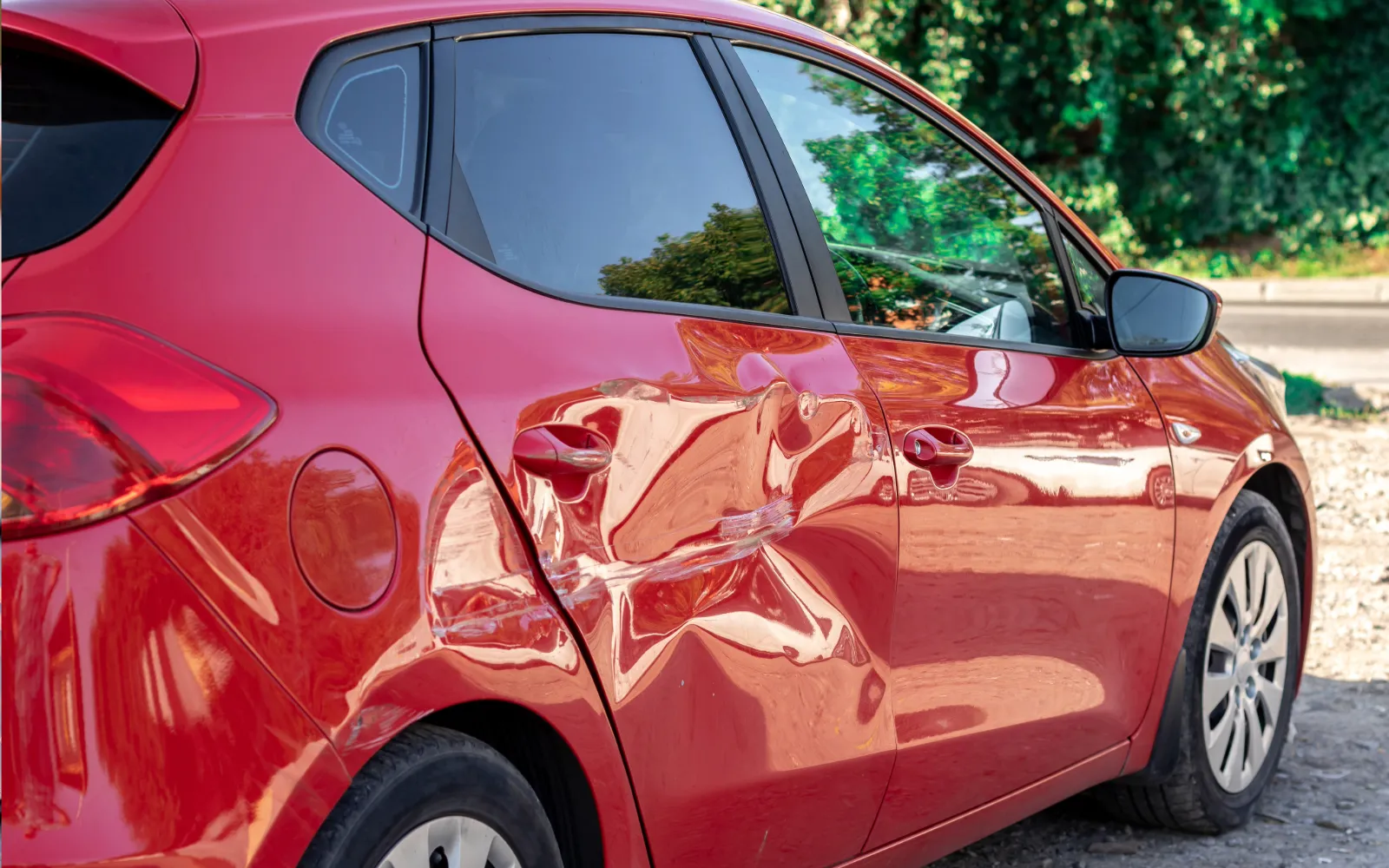
Every day, insurance companies send thousands of crashed cars to salvage auctions. Some have crumpled fenders, others rolled over, and a few show only minor scars you would miss from ten feet away. Sorting good projects from money pits can feel overwhelming at first, yet anyone with basic tools, patience, and honest math can turn a wreck into a reliable ride. This guide explains the process in clear, everyday language—perfect for high-school-educated car enthusiasts ready to dive into the world of salvage.
Understanding What “Crashed” Really Means
A vehicle ends up labeled “crashed” when an insurer decides damage repair costs exceed a pre-set value threshold. That threshold might be 70 percent in one state or a flat 100 percent in another. The title then changes to salvage, and the car heads to a vehicle auction, where it joins everything from damaged cars for sale to totaled cars for sale in the same online catalog.
Not all crashes are equal:
- Light Collision – a bumper scrape, a dented door, or a cracked headlight; great starter projects.
- Moderate Hit – bent sheet metal plus deployed airbags; expect bodywork, sensors, and interior parts.
- Severe Impact – frame twist or roof buckle; usually for parts donors unless you own a frame rack.
Knowing which tier matches your skills and budget keeps nasty surprises away once the tow truck drops the car in your driveway.
Why Crashed Cars Can Be Smart Buys
- Lower Entry Cost – salvage vehicles for sale often list at 40 to 60 percent below clean-title value.
- Parts Availability – popular models share components with junkyard cars for sale, making repairs cheaper.
- Learning Opportunity – rebuilding a small front-end hit teaches more hands-on skills than any tutorial video.
- Customization Freedom – if you plan a body-kit swap or engine upgrade anyway, starting with a wreck saves money on parts you will replace.
Where To Shop For Crashed Cars
Most late-model inventory lives online. Platforms such as AutoBidMaster pull listings from Copart yards nationwide. Use filters to pick damage type, title brand, and even listings that let you buy salvage cars without bidding. Fixed-price lots help beginners who dislike auction pressure.
Regional salvage car auctions and tow-yard sales still pop up monthly in many states. These smaller events offer wrecked vehicles for sale that bigger bidders overlook, especially older pickups or salvage motorcycles for sale. Bring a flashlight, a code reader, and clothes you do not mind ruining.
Reading Auction Listings Like A Detective
Online photos are your first inspection:
- Panel Gaps – wider at one end suggests frame twist.
- Wheel Position – tire pushed backward indicates bent control arms.
- Seat Bolts And Carpet Edges – rust flakes here hint at hidden flood damage.
- Dashboard “Key-On” Shot – check mileage and warning lights; if the cluster stays dark, electronics may be dead.
- Engine Bay Close-ups – look for cracked mounts or shifted driveline components.
Descriptions include shorthand: “Run And Drive,” “Starts,” or “Stationary.” A car that starts but cannot move might only need a shifter cable, or might hide a broken axle. Read every line twice before you bid.
Budgeting With A Four-Line Formula
Grab a notebook or spreadsheet and list:
- Purchase Price – hammer bid or “Buy It Now.”
- Auction Fees – each platform posts a fee chart; do not guess.
- Transport Cost – quote first, especially on non-rolling wrecked trucks for sale.
- Essential Repairs – parts and outside labor required for inspection.
Add a 10 percent buffer for surprise costs. Compare the total to private-party value of a clean twin. Aim for at least a 25 percent margin; otherwise the risk may outweigh the bargain.
Matching Project Scope To Your Skill Set
- Beginner Friendly – hail damage car for sale needing paintless dent repair, or a bumper swap on a compact sedan.
- Intermediate – front-end collision with airbag deployment; you can install bags and sensors with basic tools and patience.
- Advanced – salvage supercars for sale with carbon-fiber panels, or flooded vehicles for sale requiring full wiring harness replacement.
Be honest about tool access and free time. Paying a body shop $120 an hour eats savings fast; better to tackle a smaller project you can finish on nights and weekends.
Inspection Day Checklist
When the auction yard allows in-person viewing, bring:
- Flashlight and inspection mirror.
- OBD-II scanner to read codes on modern wrecked cars.
- Magnet wrapped in tape to detect hidden body filler.
- Tire-pressure gauge to spot bent wheels.
- Paper towels to check engine oil and coolant for contamination.
Listen for rod knocks, smell for fuel leaks, and look under mats for waterlines—common on flooded units mixed among crashed supercars for sale.
Common Pitfalls To Avoid
- Assuming No Frame Damage – measure diagonal distances between suspension points if possible.
- Ignoring Airbag Systems – replacement modules, clock springs, and seat belts can cost more than sheet metal.
- Underestimating Transport – non-running salvage trucks for sale often need winch service or dollies.
- Skipping Title Research – some states never remove the salvage brand, hurting resale.
- Buying On Emotion – that shiny paint on a broken car for sale does not guarantee a straight chassis.
Sourcing Affordable Parts
- Recyclers And Junkyards – donor panels, headlights, and interiors from junk cars for sale reduce costs.
- Aftermarket Suppliers – new fenders for popular sedans often cost less than used OEM pieces.
- Online Enthusiast Forums – members trade niche items, from wrecked motorcycles for sale to rare axle housings.
- Parts Cars – a separate totaled car for sale with a good engine can be cheaper than rebuilding the original motor.
Cross-reference part numbers; many models share common components across years and trims.
Rebuilding And Documentation
Take photos before, during, and after each repair step. Keep receipts for major components—especially safety items like airbags, seatbelt retractors, and headlights. Most DMVs need this paper trail during rebuilt-title inspection. Well-organized docs also reassure future buyers if you resell.
Replace damaged steering and suspension hardware before cosmetic work. An alignment printout showing green specs helps pass inspections and protects tire life.
Insurance And Registration Basics
Call your agent before purchase to confirm coverage options. Some insurers offer only liability on rebuilt titles; others provide full coverage after a structural inspection. Expect a rebuilt-title fee and a safety or VIN inspection at your local DMV. Requirements vary, so download the checklist from your state’s website ahead of time.
When A Crash Buy Makes Sense
- You want a project car and enjoy learning.
- You need a second vehicle and can wait for repairs.
- You are chasing a rare model – crashed supercars for sale and salvage motorcycles for sale sometimes cost less than their engines alone.
- You plan a custom build where factory body panels will be replaced anyway.
If you need a daily driver next week or dislike turning wrenches, pay extra for a clean title.
Final Thoughts
Crashed cars can look intimidating on a computer screen, yet they offer real chance for savings and satisfaction. Use careful photo analysis, honest budgeting, and clear documentation to guide each purchase. Match the level of damage to your tools and patience, source parts wisely, and follow your state’s rules for rebuilt titles. Do that, and you will transform yesterday’s wreck into tomorrow’s pride – proof that with the right plan, a bent bumper is just the first chapter in a rewarding automotive adventure.
