

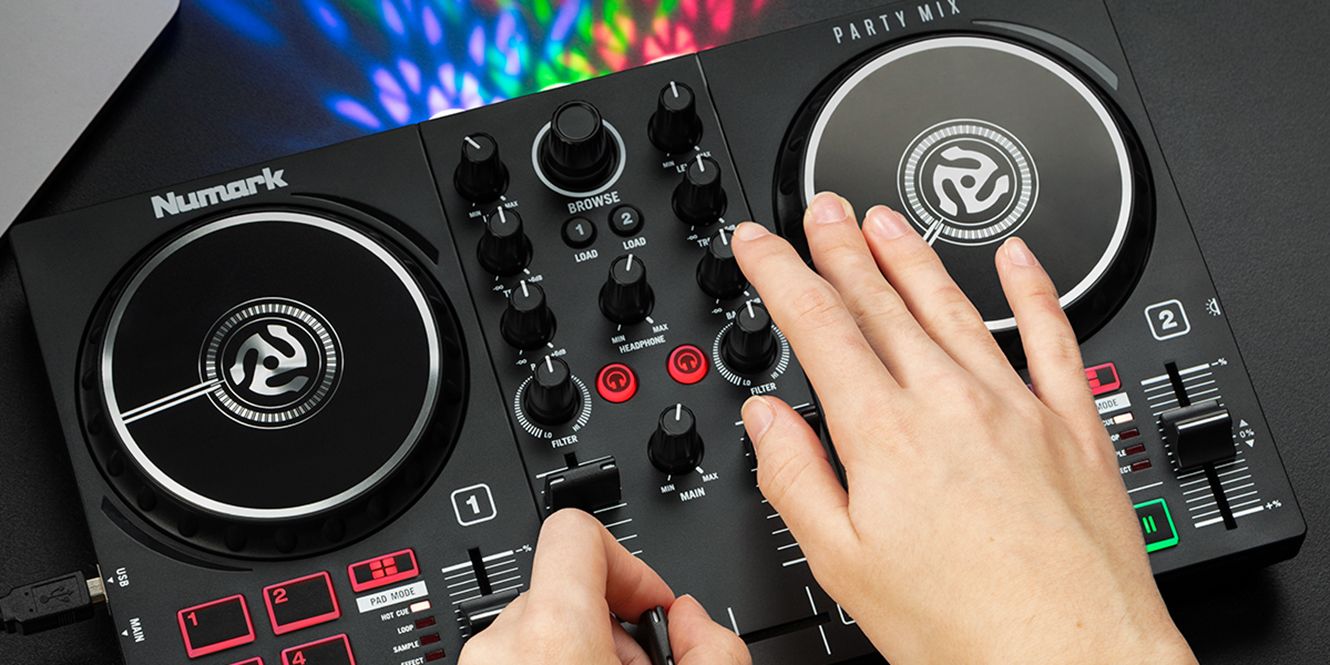
A first-time DJ may feel overwhelmed by the wide variety of available controller options. Aspiring DJs encounter technical specifications, features, and designs that seem complex without proper guidance. Choosing the correct setup requires a clear understanding of personal goals, performance style, and equipment compatibility.
Integrating the proper dj equipment ensures seamless practice sessions and live performances while avoiding unnecessary frustration. Controllers serve as the central hub for mixing, scratching, and triggering effects in digital and live environments. This guide explores the key factors in selecting a DJ controller.
Layout and Channel Options
The layout of a DJ controller influences how easily users manipulate audio tracks and effects. Two-channel setups suffice for beginners practicing fundamental transitions and beat-matching techniques. Four-channel controllers provide extra versatility, allowing multiple sources and complex mixing during performances.
Placement of jog wheels, faders, and knobs should feel intuitive to reduce hand fatigue and improve efficiency. Buttons and pads need to be responsive, with tactile feedback that supports live adjustments. Choosing a layout that aligns with one’s preferred mixing style enhances confidence during practice and shows.
Connectivity and Compatibility
Modern controllers require various input and output options to integrate smoothly with other hardware. USB connectivity ensures quick installation with computers or laptops, while audio outputs connect directly to speakers and sound systems. MIDI compatibility allows for integration with external devices, expanding creative possibilities during sets.
They must also work with popular DJ software, ensuring seamless operation without technical conflicts. Wireless capabilities, though optional, provide flexibility for mobile setups and impromptu performances. Assessing compatibility beforehand prevents disruptions and supports a more enjoyable learning experience.
Essential Features for Beginners
Certain features significantly improve the learning curve for newcomers to DJing. Built-in audio interfaces reduce the need for additional hardware, streamlining practice sessions and performances. Performance pads enable triggering samples, loops, and hot cues for dynamic mixes.
Jog wheels and pitch controls must offer precise feedback to support beat-matching and scratching techniques. FX knobs and filters allow creative experimentation without overwhelming the user. Integrated displays provide visual cues for track position, BPM, and waveform analysis. Ensuring the controller includes these essentials enhances skill development and engagement.
Portability and Durability
The physical design affects its usability in various environments. Lightweight and compact models are ideal for home studios, mobile gigs, or traveling to events. Sturdy construction protects sensitive components during transport and extended use.
Rubberized or textured surfaces provide grip, preventing accidental slips during intense performances. Collapsible or modular designs can save space while still maintaining essential functionality. Considering portability alongside durability ensures longevity and convenience for budding DJs.
Future-Proofing Your Setup
Investing in a controller that accommodates growth prevents premature obsolescence. Expanding track libraries, advanced software features, and additional hardware integration should be considered when choosing a model. Controllers with firmware updates or upgradeable components extend usability over several years.
Selecting gear that supports diverse musical styles allows creative experimentation as skills evolve. Ensuring compatibility with emerging technologies preserves investment value. Thoughtful planning provides a setup that remains relevant as techniques and preferences change.
The perfect DJ controller requires a balance between usability, features, connectivity, portability, and long-term flexibility. Selecting dj equipment that integrates smoothly into a full setup ensures an enjoyable experience and professional growth. Thoughtful decisions in this initial stage provide a foundation for mastering techniques, creating dynamic performances, and building confidence behind the decks. A well-chosen one transforms learning into an engaging and productive musical journey.
