

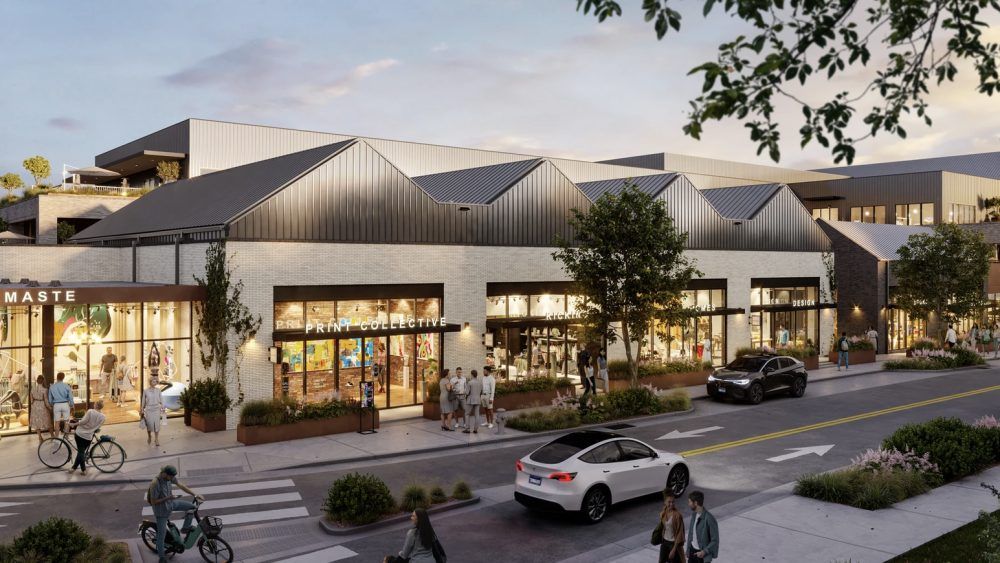
Nashville’s architectural landscape is evolving rapidly, blending its rich cultural heritage with cutting-edge design trends. As the city continues to grow, architects and designers are reimagining spaces to reflect a modern yet timeless aesthetic. From sustainable materials to innovative urban planning, Nashville is setting the stage for groundbreaking developments in 2025.
This vibrant city is embracing a future where functionality meets creativity. With a focus on eco-friendly solutions and smart technology, architectural designs are transforming how residents and visitors experience Nashville. These trends are not just reshaping the skyline—they’re redefining the way people live, work, and connect in Music City.
The Evolution of Nashville’s Architectural Landscape
Nashville’s architectural evolution reflects the city’s push towards modernity while preserving its cultural heritage. Designs now emphasize mixed-use developments, integrating residential, commercial, and recreational spaces. This approach increases accessibility and fosters community engagement.
Sustainability stands out as a dominant trend. Eco-friendly designs incorporate energy-efficient materials and green spaces to reduce environmental impact. Architectural firms, including Barge Design Solutions Nashville, explore innovative methods to integrate sustainability into large-scale projects.
Digital tools shape the planning process. Technologies like Building Information Modeling (BIM) optimize designs by improving efficiency and accuracy. Smart city concepts further enhance urban planning, aligning with Nashville’s commitment to becoming a tech-driven hub.
Revitalizing historic structures brings balance to new developments. Adaptive reuse projects transform old warehouses and factories into functional spaces, preserving the city’s character while meeting modern needs.
Sustainable and Energy-Efficient Building Designs
Architects in Nashville are prioritizing sustainable practices to address environmental concerns and promote responsible urban growth. Energy-efficient designs leverage renewable materials, improved insulation, and advanced building technologies to lower energy consumption. Green roofs, solar panels, and rainwater harvesting systems are notable features in newer developments.
The adoption of passive design strategies minimizes reliance on mechanical systems by utilizing natural ventilation, solar orientation, and daylight optimization. Mixed-use buildings, designed for energy efficiency, incorporate features like smart lighting and temperature control systems.
Firms like Barge Design Solutions Nashville integrate sustainability into large-scale projects. Their approach includes implementing environmentally conscious planning and reducing resource wastage. Using tools such as Building Information Modeling (BIM), these firms streamline energy-efficient building designs while ensuring functionality and aesthetics.
The Role of Digital Technology in Urban Planning
Digital technology significantly influences urban planning in Nashville. Advanced tools like Building Information Modeling (BIM) allow architects and planners to analyze, design, and optimize structures with precision. BIM contributes to reducing design errors, streamlining construction processes, and ensuring long-term sustainability. These technologies adapt to Nashville’s growth needs, supporting efficient land use and enhancing infrastructure.
Smart city technologies integrate data-driven insights into urban systems, improving transportation, energy usage, and waste management. Implementing Internet of Things (IoT) solutions enables real-time monitoring of utilities, reducing inefficiencies and improving services. Intelligent planning tools also assist in creating livable, connected neighborhoods that prioritize community-centric spaces.
Firms like Barge Design Solutions utilize digital analytics platforms to develop innovative approaches for urban designs. By applying GIS (Geographic Information Systems) technology, they assess environmental data, making informed decisions about zoning, public space allocation, and green infrastructure. These tools ensure Nashville’s developments align with environmental goals and meet urban resilience standards.
Digital twin technology creates virtual city replicas, allowing planners to forecast the impacts of development in real-time. This innovation optimizes urban layouts and addresses challenges like traffic congestion and environmental degradation. Such advancements empower stakeholders to execute future-proof, sustainable planning strategies in Nashville’s dynamic landscape.
Adaptive Reuse and Preservation in City Development
Adaptive reuse projects are transforming Nashville’s historic buildings into functional and modern spaces while preserving their original character. Developers prioritize retaining architectural integrity, ensuring structures remain connected to the city’s cultural heritage. Recent projects include converting warehouses into mixed-use developments and repurposing historic homes into boutique hotels and commercial spaces. These efforts extend the lifecycle of existing buildings and reduce the demand for new construction materials.
Preservation initiatives foster community identity by protecting landmarks and integrating them into contemporary urban environments. Barge Design Solutions Nashville has contributed by offering expertise in adaptive reuse planning, enabling seamless fusion between historic charm and modern utility. Their approach includes detailed site analysis and sustainable retrofitting to balance conservation with functionality.
Incorporating sustainable design with preservation, developers improve energy efficiency in old buildings by upgrading insulation, installing energy-efficient windows, and integrating smart systems for temperature control and resource management. These upgrades support Nashville’s sustainability goals and align with the city’s growth initiatives while maintaining the unique appeal of its historic architecture.
The Influence of Smart Cities on Architectural Trends
Smart city principles are redefining architectural approaches in Nashville, shaping the design of infrastructure and urban spaces. Architects incorporate IoT-enabled devices and data-gathering systems to enhance functionality, sustainability, and user experience. For example, buildings equipped with sensor-driven energy management systems reduce consumption by optimizing lighting, heating, and cooling patterns.
Urban designs increasingly integrate smart mobility frameworks like electric vehicle charging stations and autonomous transit hubs. These systems promote efficient commuting and reduce traffic congestion in growing urban areas. Mixed-use developments now emphasize seamless connectivity, integrating Wi-Fi-enabled public spaces and app-assisted navigation for residents and visitors.
Barge Design Solutions Nashville contributes to smart city advancements by using tools like GIS technology and digital twins. These technologies simulate urban environments, helping planners test design impacts and improve spatial efficiency. Data-driven approaches facilitate strategic zoning, ensuring developments complement Nashville’s long-term growth and sustainability objectives.
Smart waste management systems are being incorporated into new designs, utilizing automated waste segregation and disposal technologies powered by machine learning. Rainwater harvesting integrated with smart irrigation further enhances resource optimization in green developments. These innovations align with sustainable goals while addressing the city’s expanding infrastructure demands.
How Architects Are Shaping Nashville’s Future Growth
Architects in Nashville are redefining urban living by merging tradition with innovation, paving the way for a more sustainable and connected future. Their commitment to blending eco-conscious designs, cutting-edge technology, and community-focused spaces reflects the city’s progressive vision.
As Nashville continues its rapid growth, these architectural advancements ensure the city remains a vibrant and sustainable hub. By embracing smart technology, adaptive reuse, and sustainable practices, architects are not just building structures—they’re shaping the foundation for a thriving, future-ready community.
