

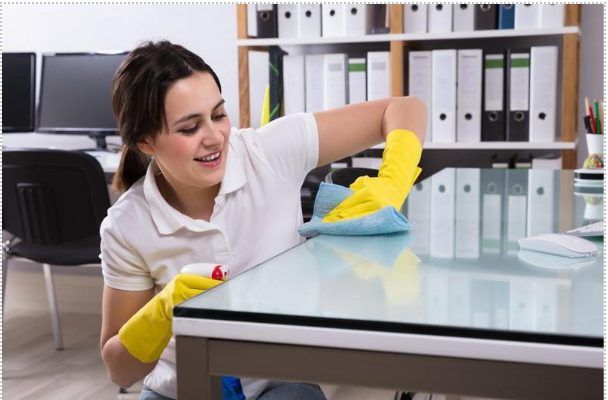
A clean and safe workplace is something every employee values, whether they work in a small office, a busy shop, or a large corporate building. When the workspace is organized, hygienic, and free from safety risks, people feel more comfortable, secure and can concentrate on their work without added stress. On the other hand, clutter, poor hygiene, and overlooked safety risks can lead to accidents, illness, and reduced efficiency.
Keeping a workplace clean and safe does not require complicated processes or costly equipment. It mainly depends on daily habits, regular checks, and everyone doing their part. In this blog, we will share 9 practical and easy-to-follow tips that can help you maintain a healthier and safer workplace for everyone.
Make Cleanliness a Daily Habit, Not a Monthly Task
One of the biggest mistakes workplaces make is treating cleanliness as something that happens once in a while. Cleanliness is so important that it should be a part of daily routine, not a special event. A workplace stays truly clean only when small cleaning tasks are done every day. Simple actions like wiping desks, cleaning shared equipment, organizing workstations, disposing of waste properly, and cleaning spills immediately can prevent dirt and clutter from building up. When cleanliness becomes a habit, mess does not pile up. It also creates a more comfortable and pleasant environment where people feel motivated to work.
Encourage Personal Responsibility Among Employees
Personal workspaces are often overlooked because they feel private. However, desks can quickly become a place where dust, bacteria, and clutter build up. Therefore, cleanliness should not be treated as the responsibility of the professional cleaning team only. Every employee should take responsibility for keeping their own workspace clean. They should be encouraged to clean their desks daily by wiping surfaces, organizing paperwork, cleaning spills, and throwing away trash. Plus, encourage regular handwashing and employees’ personal cleanliness. These simple habits help maintain hygiene, reduce the spread of germs, and create a more organized and comfortable work environment.
Use the Right Chemicals and Equipment
This point is extremely important. The right professional hygiene products for workplaces help maintain cleanliness, prevent the spread of germs, and support employee health. To choose the right chemicals and equipment, identify the type of surface and the level of cleaning required. Using the wrong product can cause surface damage and reduce cleaning quality. Basic items such as hand soap, hand sanitizers, disinfectants, paper towels, and cleaning wipes should always be easily available. When employees have access to the right hygiene products, it becomes easier for them to follow daily cleanliness practices and maintain a safe work environment.
Reduce Clutter to Prevent Accidents
Clutter is more than just a visual distraction; it’s a real safety hazard. Boxes left in walkways, loose wires, or overcrowded storage areas can lead to trips, falls, and injuries. Even a small pile of unused equipment or personal belongings can create obstacles that increase the risk of injury. Maintaining a clean and organized workplace is essential not just for aesthetics but for safety. Encourage employees to keep floors clear, store items properly, and avoid piling unnecessary things around their desks. Regular decluttering sessions, either weekly or monthly, can help remove unused items and create more open, safe spaces for movement.
Keep Common Areas Extra Clean
Common areas such as pantries, restrooms, meeting rooms, reception areas, and break rooms are used by many people throughout the day. Because of frequent use, these spaces are more likely to collect dirt, germs, and clutter, which means they need more attention than individual workstations. These shared spaces should be cleaned and sanitized regularly to reduce the spread of germs and maintain hygiene. Even small tasks like wiping counters or cleaning spills immediately can make a big difference.
Focus on Proper Waste Management
Waste management is a crucial part of workplace cleanliness and safety. Overflowing trash bins not only look untidy but can also attract pests and spread germs. Left unchecked, waste can cause unpleasant odors, hygiene issues, and even health hazards for employees. To prevent this, make sure waste is disposed of correctly and on time. Use clearly labelled bins for general waste, recyclables, and hazardous materials if needed. Make sure bins are emptied regularly and placed conveniently around the workplace. Proper waste handling reduces health risks and supports a more organized and environmentally responsible workplace.
Address Safety Risks Immediately
Small safety issues may seem harmless at first, but ignoring them can quickly turn them into serious problems. Spilled liquids, broken chairs, loose cables, damaged flooring, or faulty equipment can easily cause slips, falls, or other workplace accidents. Basically, delaying action increases the risk of accidents. Therefore, it’s important to fix safety hazards as soon as they are noticed. Quick action helps prevent accidents before they happen and keeps the workplace running smoothly. Even minor repairs and cleanups can make a big difference in creating a safer environment for everyone. Employees should also feel comfortable reporting safety concerns without fear of blame or hesitation.
Focus on Hygiene in High-Touch Areas
Some areas in the workplace, such as door handles, elevator buttons, keyboards, phones, and light switches, are touched constantly. Because so many hands come into contact with these areas every day, they can quickly become hotspots for bacteria, viruses, and other germs. To maintain a healthier environment, it’s important to clean and sanitize high-touch areas regularly. This can be done multiple times throughout the day, depending on traffic in the workplace. Using disinfectant sprays, wipes, or cleaning solutions suitable for different surfaces ensures germs are effectively removed without damaging equipment.
Schedule Deep Cleans
While daily cleaning routines are essential for keeping the workplace tidy, they often only address visible dirt and surface dust. Many areas, such as carpets, furniture, air vents, and hard-to-reach corners, can harbor hidden dirt, bacteria, dust mites and allergens. To maintain consistently high hygiene standards, it’s a good idea to schedule professional deep cleaning services at regular intervals. Professionals have the right tools, cleaning agents, and techniques to reach every corner. They thoroughly sanitize and refresh areas that daily cleaning may miss, helping to eliminate germs, allergens, and accumulated grime.
Conclusion
Keeping the workplace clean and safe is the responsibility of every organization. And it is important to note that it is not a one-time task but an ongoing commitment. Encouraging personal responsibility among employees, reducing clutter, maintaining clean common areas, and addressing safety risks early all play a key role in preventing accidents and health issues. Besides these, focusing on hygiene in high-touch areas and ensuring proper waste disposal are equally important. When these practices are followed consistently, they create a healthier, safer, and more productive environment.
