



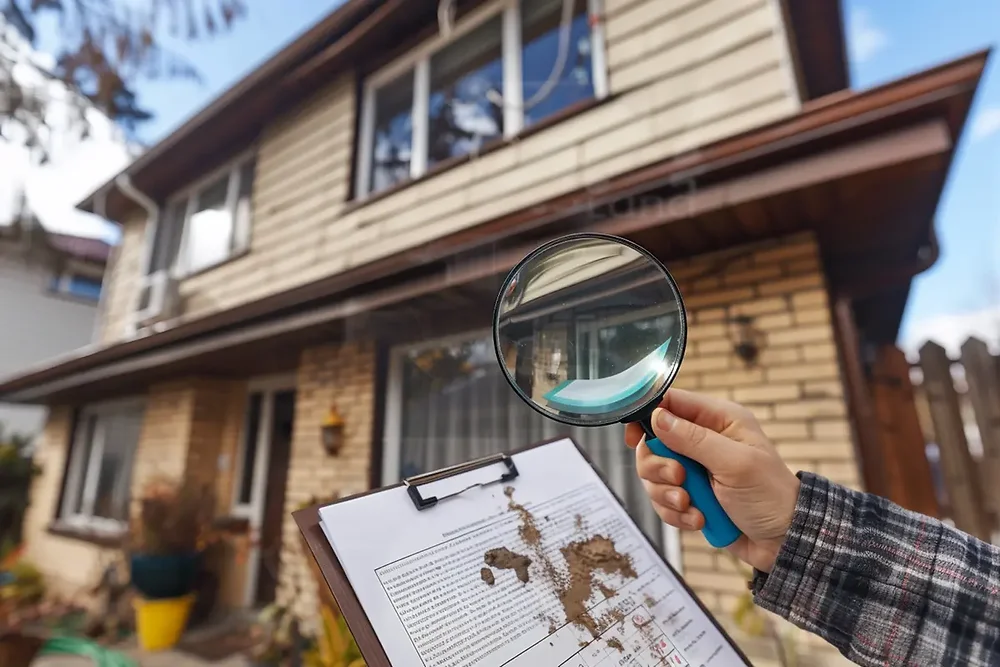
A property may look perfect at first glance, but some defects stay hidden beneath the surface. Building experts explain that issues can develop because of moisture, natural material movement, construction practices, or normal wear over time. Without a careful inspection, these problems are easy to miss. A professional inspection helps reveal these hidden concerns before they affect the property’s condition or value. The following sections explore five property flaws that trained professionals are equipped to uncover.
1. Hairline Wall and Ceiling Cracks That Point to Bigger Problems
Small cracks on walls or ceilings may not seem like a serious issue. In some cases, though, they can be a sign of movement within the building or problems with the construction work. It is not always possible to tell the difference just by looking at them.
A professional defect inspection helps identify the cause of these cracks through a careful assessment. Instead of making guesses, inspectors check the location, size, and pattern of each crack to understand what it may mean. This gives property owners a better picture of the building’s condition.
2. Hidden Moisture and Water Seepage Behind Walls
Water damage does not always leave visible marks right away. Moisture can build up behind walls, under flooring, or above ceilings without showing clear signs on the surface. As time passes, it may affect nearby materials and create larger repair needs.
Professional inspectors know where water seepage is most likely to happen. They carefully examine these areas and look for early signs that most people would miss. Finding the source early makes it easier to fix the problem before it spreads.
Common Places Where Moisture Can Stay Hidden
- Behind bathroom walls.
- Around window frames.
- Under-floor finishes in wet areas.
- Above ceilings below bathrooms.
3. Faulty Electrical Wiring Hidden Behind Walls
Electrical wiring is hidden inside walls, so problems are not always easy to notice. Loose connections, poor installation, or damaged wiring may stay out of sight while still affecting the safety and performance of the property. Professional inspectors check accessible electrical points for visible signs of defects. They know what to look for and can identify issues that may require further attention before the property is occupied.
4. Waterproofing Problems in Bathrooms and Balconies
Bathrooms and balconies rely on good waterproofing to keep water where it belongs. If the waterproof layer fails beneath the surface, water can slowly seep into nearby walls and floors without anyone noticing. By the time stains appear, the damage may already have spread. An inspection helps detect signs of hidden waterproofing problems before they become more serious. This allows property owners to arrange repairs at an earlier stage and protect the condition of their home.
Signs That May Indicate Waterproofing Issues
- Damp patches near bathroom walls.
- Water stains below balconies.
- Musty smells in wet areas.
- Peeling paint near sealed joints.
5. Hollow Tiles Beneath the Surface
Tiles can look perfectly installed even when they are not firmly attached underneath. Air gaps below the tiles may weaken the bond over time, causing them to become loose or damaged later. Since these gaps cannot be seen, they are easy to overlook during a regular walkthrough. A professional defect inspection includes checking tiled areas for hollow spots using proper inspection methods. This helps identify weak sections before they lead to bigger flooring or wall problems.
A property may appear complete, but hidden flaws can still exist behind its finished surfaces. A professional inspection helps uncover these issues before they affect the comfort, quality, or value of the property. With a clear understanding of the property’s condition, owners can make informed decisions and move forward with greater confidence. A careful inspection is a practical step toward protecting a valuable investment for years to come.


