

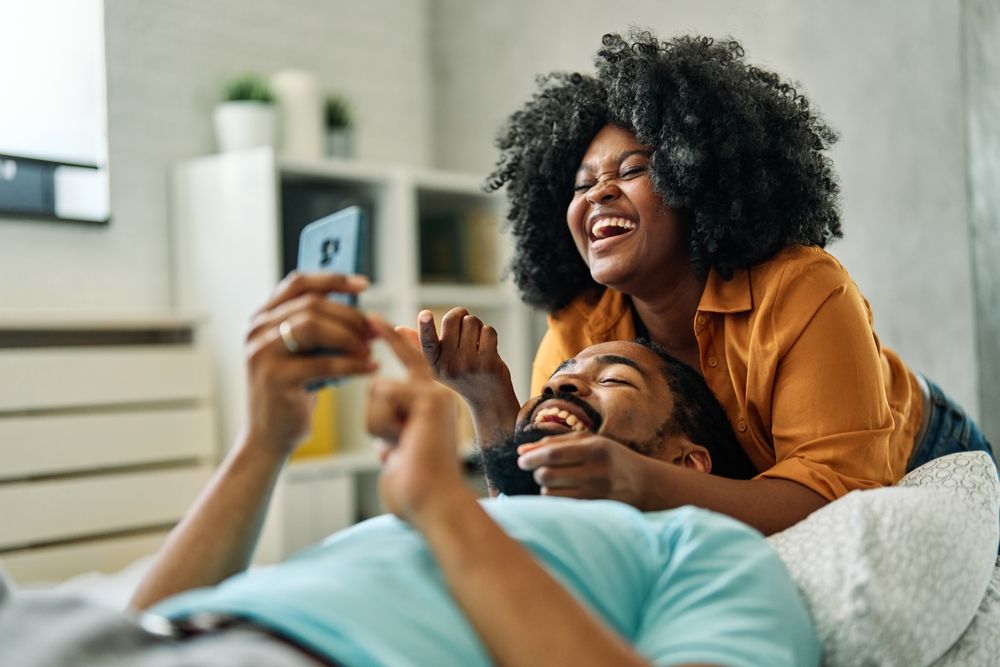
In a culture that often rewards emotional detachment and self-protection, vulnerability can feel like a risk, especially in relationships. Yet for those searching for depth and connection, it’s one of the most important emotional qualities a person can offer. Vulnerability is not a weakness or a flaw. It is a sign of strength. It allows two people to truly meet each other where they are, without the armor of performance or pretense. Brandon Wade, founder of Seeking.com, has long understood the value of emotional courage. His dating site is designed not around dating gimmicks but around intention and honesty.
It isn’t about appearances. It’s about showing up with clarity and being open to something real. At the core of that openness is vulnerability, the willingness to be seen, heard and accepted as you truly are.
Redefining What Strength Looks Like in Dating
For decades, strength in relationships was often associated with stoicism or emotional control. Many people were taught to hide their feelings to maintain the upper hand, avoid rejection or protect themselves from hurt. But emotional withholding rarely leads to meaningful connection. It creates a distance where intimacy should grow.
Members are encouraged to express their needs, goals, and desires from the beginning. This model supports a shift in mindset that emotional openness is not a liability but an asset. When people are clear and honest about who they are and what they want, they create a space for mutual trust to develop.
Vulnerability Is More Than Just Sharing
Being vulnerable isn’t just about revealing past experiences or personal struggles. It’s about showing up authentically, not just when things are going well, but also when there’s uncertainty, tension, or doubt. It’s about being able to say, “I’m unsure,” “I care about this,” or “That hurt me,” without fear of rejection or ridicule.
Emotionally healthy partners don’t just listen; they lean in. They respond with empathy, not defensiveness. They understand that vulnerability is not an invitation to fix someone; it’s an invitation to understand them better.
Brandon Wade shares, “When you know who you are and you’re open about what matters to you, that’s when a real connection happens. That’s what makes a relationship strong from the beginning.” This kind of openness shifts the dynamic. Instead of protecting their feelings with silence, both people begin to build something based on truth.
The Role of Safe Spaces in Encouraging Vulnerability
It’s difficult to be vulnerable in a space that doesn’t feel emotionally safe. That’s why trust and communication go hand in hand. When someone feels judged or dismissed, their instinct is to retreat. But when they feel heard and respected, they open, not all at once, but steadily, as they learn the space is safe enough for honesty.
Brandon Wade’s Seeking.com was built with this kind of emotional security in mind. Features like detailed profile settings, communication filters and member verification help users set boundaries and expectations early. This structure makes it easier to share personal truths because it reduces the fear of being misunderstood or ignored.
Vulnerability flourishes in environments where people are intentional about their connections. And when two people are intentionally together, they build an emotional scaffolding that supports something long-lasting.
Why It Feels So Difficult, and Why It’s Worth It
Opening up can feel risky, especially for those who have experienced betrayal or rejection in the past. It requires letting go of control and accepting the unknown, which is not easy, particularly in a world where dating apps often encourage detached interactions and short attention spans.
But the reward for vulnerability is significant. It deepens emotional intimacy, strengthens communication, and helps each partner feel genuinely seen. Vulnerability also reduces the need for guesswork. When you express what you feel, you allow the other person to respond with clarity rather than assumptions.
It reflects that principle in its design and community values. Instead of pushing users to “sell” themselves through curated perfection, the site encourages thoughtful, sincere interactions. He envisioned a place where emotional availability is not only welcomed but respected.
Building Emotional Intimacy Through Vulnerability
When partners share their feelings honestly, they begin to build a shared emotional language. Over time, this leads to greater intimacy, not just physical closeness but emotional resonance. You begin to know not only what your partner thinks but also how they feel, what they fear, and what they need in moments of stress or joy.
This kind of closeness doesn’t require constant sharing. It requires intentionality. It’s knowing that when the time comes to talk about the hard things, you won’t be met with silence or avoidance. You’ll be met with care. That’s what makes the dating site different. It’s not a place for pretense or performance. It’s a space where real conversations begin and emotional honesty is rewarded.
Vulnerability Isn’t the Goal, It’s the Gateway
Vulnerability in relationships isn’t the destination. It’s the starting point for building a bond that can weather life’s unpredictability. Couples who can talk openly about their fears and needs are better equipped to navigate conflict, changes and long-term planning.
Instead of hiding behind emotional walls, they face challenges together. That doesn’t mean everything becomes easy. It means they face difficulty as a team, not as strangers. They learn how to support each other, not just when things are fun but also when things are fragile.
Real Relationships Require Real Risks
The strongest relationships aren’t built on constant agreement or flawless communication. They’re built on the courage to be real, even when it’s messy or uncomfortable. Vulnerability is a risk, but it’s also the clearest path to emotional depth.
It takes bravery to say, “These matter to me,” or “I’m scared of losing this.” But those are the moments that define whether a connection can handle the pressure of real life or stay stuck in the shallows.
The Power of Being Seen
Everyone wants to be loved, but what they really need is to be understood. Vulnerability is how that understanding begins. When someone shares their truth and is met with respect instead of rejection, it creates a bond that’s hard to break.
It offers the structure and culture that make those moments possible. It’s not about fast matches or filtered impressions. It’s about creating an emotional connection that feels both safe and sincere. Vulnerability may not always be comfortable, but it’s where the real work of love begins. In the right relationship, vulnerability is not just accepted; it’s welcomed.
