



A well-designed home is more than just visually appealing. It should feel comfortable, functional, and easy to move through. Many homeowners focus on décor and furniture but overlook something just as important: interior flow. This refers to how naturally people can move from one space to another without feeling restricted or disconnected.
In cities like Atlanta, where homes range from modern builds to traditional layouts, improving interior flow can make a noticeable difference in everyday living. Some homes may feel cramped or closed off, while others lack a sense of connection between rooms. These issues can affect both comfort and how the space is used.
The good news is that you don’t always need a full renovation to fix these problems. Small, thoughtful changes can transform how your home feels and functions. By focusing on layout, lighting, and design elements, you can create a space that feels open, balanced, and easy to enjoy.
Enhancing Connectivity Between Spaces
One of the most effective ways to improve interior flow is by creating better connections between rooms. When spaces feel isolated, it can disrupt movement and make your home feel smaller than it actually is. Opening up these areas can make a big difference.
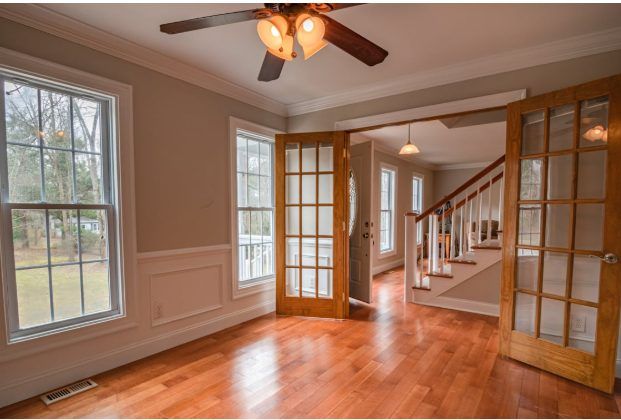
You don’t always need to remove walls to achieve this. Simple design changes can help create a sense of openness while still keeping each space defined. Wider doorways, glass panels, and interior door upgrades are all practical solutions.
For example, installing features like French doors can improve both visual connection and natural light between rooms. So, if you’re a homeowner in Georgia, thinking of installing features like French doors Atlanta has numerous professionals whom you can trust. These doors allow light to pass through while maintaining separation when needed, making them a great option for balancing openness and privacy.
Better connectivity also improves how people move through the home. When pathways are clear and spaces feel linked, daily activities become more convenient. Whether you’re entertaining guests or simply going about your routine, a well-connected layout makes everything easier.
Optimizing Furniture Placement for Better Flow
Furniture plays a major role in how a space feels and functions. Even a well-designed room can feel crowded if furniture is placed poorly. The goal is to create clear pathways that allow easy movement without obstacles.
Start by arranging furniture in a way that guides natural movement. Avoid blocking doorways or creating tight corners that make it difficult to walk through the room. Instead, leave enough space between pieces to maintain a smooth flow.
It’s also helpful to create defined zones within larger areas. For example, in an open living space, you can use furniture placement to separate the seating area from the dining area. This keeps the layout organized while still feeling open.
Balancing style with practicality is key. Choose furniture that fits the scale of your space and serves a purpose without overcrowding it.
Using Lighting to Open Up Your Space
Lighting can completely change how a room feels. A well-lit space appears larger, more inviting, and easier to navigate. Natural light is especially important, as it helps create a sense of openness.
If your home has windows, make the most of them. Use light, simple window treatments that allow sunlight to enter. Avoid heavy curtains that block natural light unless privacy is a concern.
Layered lighting is another effective approach. Combining ambient, task, and accent lighting creates depth and improves functionality. For example, overhead lights provide general brightness, while lamps and under-cabinet lighting add focus where needed.
Mirrors can also help reflect light and make spaces feel bigger. Placing them strategically across from windows or light sources can enhance brightness and improve the overall flow of the room.
Choosing Colors and Materials for Cohesion
Color plays a big role in how connected your home feels. Using a consistent color palette across different rooms can create a sense of unity and flow. When colors change too drastically from one space to another, it can feel disjointed.
Neutral tones are a popular choice because they create a calm and balanced look. You can add variety through textures, patterns, and accent colors without disrupting the overall design.
Materials also matter. Using similar finishes, such as wood, metal, or stone, throughout your home helps create a cohesive feel. This doesn’t mean everything has to match perfectly, but there should be a sense of continuity.
Light colors can make rooms feel more open, while darker tones add depth and warmth. Choosing the right combination helps create a balanced and inviting space.
Incorporating Smart Storage Solutions
Clutter is one of the biggest obstacles to good interior flow. When items are scattered or poorly stored, it can make a space feel cramped and disorganized.
Smart storage solutions help keep your home tidy and functional. Built-in shelves, cabinets, and multi-purpose furniture can provide storage without taking up extra space. For example, ottomans with hidden compartments or beds with drawers underneath can be both practical and space-saving.
Keeping frequently used items within easy reach also improves efficiency. When everything has a designated place, it’s easier to maintain a clean and organized environment.
Reducing clutter not only improves flow but also creates a more relaxing and comfortable atmosphere.
Balancing Functionality with Personal Style
While functionality is important, your home should also reflect your personal style. The challenge is finding a balance between design and practicality.
Avoid overcrowding your space with too many decorative items. Instead, choose a few meaningful pieces that add character without disrupting the layout. This keeps your home looking stylish while still feeling open and organized.
Furniture and décor should serve a purpose. Whether it’s providing comfort, storage, or visual appeal, each element should contribute to the overall design.
Creating a home that feels both functional and personal makes it more enjoyable to live in. It’s about designing a space that works for your lifestyle while still expressing who you are.
Improving your home’s interior flow doesn’t require major changes. Small adjustments in layout, lighting, and design can have a big impact on how your space feels and functions.
By focusing on connectivity, smart furniture placement, and cohesive design choices, you can create a home that is both practical and inviting. Reducing clutter and using the right features helps maintain a smooth and comfortable flow throughout your space.
At the end of the day, a well-designed home makes everyday life easier and more enjoyable. With a thoughtful approach, you can transform your living space into one that feels open, balanced, and perfectly suited to your needs.


