



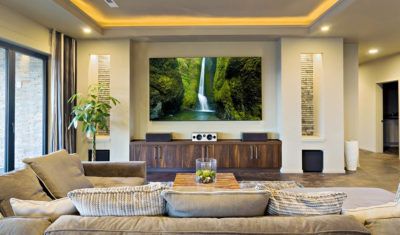
When it comes to home improvement, few elements possess the transformative power of interior lighting. Often treated as an afterthought or a purely functional necessity, lighting is actually the foundation of any sophisticated living space. A well-designed scheme can completely alter the proportions of a room, highlight architectural details, and dictate the overall atmosphere. For professionals looking to refine their residences without committing to extensive structural renovations, upgrading light fixtures offers a highly effective and visually striking solution. Whether you are modernising an older property or adding character to a new build, thoughtful illumination is the key to unlocking your home’s true aesthetic potential.
Creating Focal Points in Key Rooms
One of the most effective ways to upgrade a space is by introducing statement fixtures that draw the eye and anchor the room. These pieces act as functional art, providing essential illumination while dictating the design narrative of the surrounding area. Kitchen islands and dining tables are particularly well suited for this approach, as they naturally serve as gathering areas that benefit from lowered, intimate lighting.
Opting for a timeless metallic finish can add an immediate sense of luxury to these important zones. Installing a striking brass pendant ceiling light introduces warmth and a touch of contemporary elegance, catching the ambient daylight even when switched off. The metallic tones pair beautifully with a wide variety of colour palettes, from deep moody blues to crisp, minimalist whites. By selecting high-quality materials and thoughtful designs, these central fixtures become enduring features that significantly elevate the overall interior aesthetic without overpowering the room.
The Psychological Impact of Illumination
Beyond mere aesthetics, the way we light our homes has a profound effect on our mental wellbeing and daily routines. Modern research increasingly shows that our physical environments directly influence our emotional states, especially in spaces where we spend the majority of our time. According to psychological discussions on spatial design, careful lighting choices can significantly enhance mood, creativity, and cognitive performance. Experts note that by using warm lighting in specific areas, homeowners can successfully create a cosy, social atmosphere that promotes deep relaxation.
Understanding this connection is crucial when planning an interior upgrade. Harsh, clinical overhead lights can create a sterile environment that raises anxiety levels, whereas warm, carefully placed fixtures foster intimacy and comfort. By moving away from a single central light source and instead treating illumination as a layered experience, homeowners can cultivate environments that genuinely support their emotional wellness and provide a much-needed sanctuary from the demands of professional life.
Practical Steps for a Layered Lighting Scheme
To achieve a truly sophisticated and functional space, it is essential to plan your lighting scheme with clear intention. Relying on a single type of illumination often results in flat, uninviting rooms that lack dimension. Instead, a successful design incorporates multiple light sources to create depth, versatility, and visual interest.
Consider the following strategies when planning your next home upgrade:
- Incorporate Ambient Lighting: This serves as your base layer. Use subtle ceiling fixtures or recessed lights to provide overall illumination that mimics natural daylight, ensuring the space is safely navigable.
- Add Task Lighting: Focus on specific areas where activities take place. Reading lamps in the living room or under-cabinet LED strips in the kitchen ensure practical tasks are adequately illuminated without blinding the rest of the room.
- Introduce Accent Lighting: Use wall sconces, picture lights, or directional spotlights to highlight architectural features, artwork, or textured walls. This adds a dramatic flair to your living spaces.
- Install Dimmer Switches: The ability to control brightness levels is the easiest way to transition a room from a bright, productive workspace during the day to a relaxed, intimate entertaining area in the evening.
- Select the Right Colour Temperature: Warm white bulbs, typically around 2700 Kelvin, are ideal for cosy living areas and bedrooms. In contrast, cooler temperatures are better suited for utility spaces like home offices or bathrooms where visual focus is required.
Elevating your home interior does not always require knocking down walls or completely replacing your furniture. By simply rethinking how you illuminate your living spaces, you can achieve a remarkable transformation that enhances both the look and feel of your property. Investing in premium statement fixtures and taking a strategic, layered approach to lighting design will yield immediate aesthetic dividends. Ultimately, the right lighting upgrades offer a cost-effective, stylish path to a more sophisticated, welcoming, and beautifully refined home environment.


