



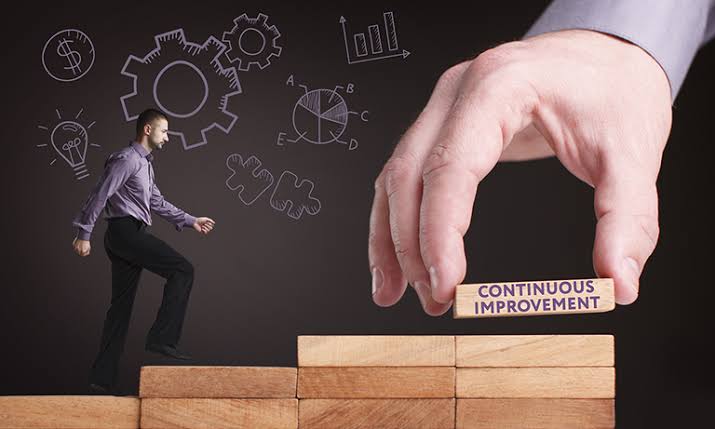
Most people think priorities go stale because we lose discipline. In reality, priorities often go stale because the review system around them is stale first. We wait for annual check ins, quarterly audits, or some dramatic wake up call, then act surprised when our plans no longer match our lives. Continuous evaluation fixes that problem by turning attention into a living habit instead of a rare event.
That matters in personal finances just as much as it does in large organizations. A budget made six months ago can quietly become useless after a rent increase, a medical bill, or a shift in work hours. The same is true when someone is comparing repayment strategies or researching the best debt settlement company for their situation. The smartest choice is rarely the one that looked best in a frozen moment. It is the one that still fits after real life starts moving.
The interesting part is that continuous evaluation is not really about being hyper vigilant. It is about reducing drift. Drift is what happens when your calendar, spending, energy, and goals slowly stop agreeing with each other. Nothing looks broken on any given day, but over time the gap grows. By the time a traditional review arrives, you are not tweaking a plan. You are rebuilding one.
Why priorities expire faster than we expect
People tend to assume priorities are stable if their values are stable. But values and priorities are not the same thing. Values are broad. Priorities are situational. You may value security, family, health, and progress for years, yet the order in which those show up in daily life can shift in a week.
That is why a static system can feel organized while producing outdated choices. A family may still care about long term savings, but a sudden car repair changes what deserves attention today. A manager may still believe in growth, but a staffing shortage means retention becomes the immediate focus. Continuous evaluation keeps values anchored while allowing priorities to adjust in real time.
This is one reason measurement works best when it captures lived experience, not just hard totals. The Consumer Financial Protection Bureau developed a financial well being framework that focuses on day to day control, resilience against shocks, progress toward goals, and freedom of choice, which is a more realistic picture than looking at one number alone. The CFPB Financial Well Being Scale reflects that broader approach.
The hidden cost of delayed feedback
Delayed feedback creates false confidence. If no one checks the system, the system starts to look fine by default. In organizations, that can mean risks go unnoticed until they become expensive. In personal life, it can mean subscriptions pile up, minimum payments stretch too long, stress increases, and small inefficiencies harden into routine.
What makes continuous evaluation powerful is not that it catches every problem instantly. It shortens the time between change and response. That shorter gap is where clarity lives. Instead of asking, “What happened over the last year?” you start asking, “What changed this week, and what does it affect next?”
That mindset is especially useful because human behavior is easier to guide with frequent, practical feedback than with giant corrective speeches. Public health guidance often emphasizes making routines specific, visible, and manageable because behavior changes more reliably when it is built into normal life. Building a healthy habit with clear, repeatable steps follows the same logic. The principle carries over neatly to finances, leadership, and planning.
Continuous evaluation is really a maintenance skill
A lot of advice treats evaluation like an investigation. You look for mistakes, assign meaning, then produce a fix. Continuous evaluation works better when it behaves more like maintenance. You are not waiting for smoke. You are listening for friction.
That can be as simple as noticing that grocery costs are rising every month, that team meetings are producing decisions but not follow through, or that your top goals keep getting pushed behind urgent but low value tasks. These are not dramatic failures. They are early signals. People who respond to early signals usually make smaller, cheaper, less stressful adjustments.
This is also why continuous evaluation supports emotional steadiness. When you review often, fewer changes feel catastrophic. You are already used to updating the map. A bad month becomes information, not identity. A missed target becomes a prompt, not a verdict.
How to keep review from turning into obsession
Of course, there is a fair concern here. If you are always evaluating, are you always on edge? Not if the system is designed well. Continuous evaluation should be lightweight, not exhausting. The goal is awareness, not overanalysis.
A useful rhythm is to separate signal collection from major decision making. Track a few indicators regularly, such as cash flow, overdue tasks, energy levels, or customer complaints. Then use that information at set moments to decide whether a priority needs to move up, down, or off the list entirely. In other words, pay attention often, but do not reinvent your life every afternoon.
This approach helps people avoid two extremes. One is neglect, where nothing gets reviewed until a crisis. The other is micromanagement, where every fluctuation feels like a mandate to panic. Continuous evaluation lives in the middle. It notices patterns early enough to act calmly.
Fresh priorities create better tradeoffs
The biggest benefit of continuous evaluation may be better tradeoffs. Most real decisions are not between good and bad. They are between two decent options that cannot both come first. Should extra money go to emergency savings or debt reduction? Should a company push expansion or shore up training? Should a parent protect work time or accept a temporary slowdown at home?
Those choices get clearer when priorities are fresh. You stop defending an old plan simply because it was written down. You start making decisions based on current conditions, current capacity, and current risk. That does not make life perfectly predictable, but it does make your choices more honest.
Fresh priorities also make progress easier to feel. When the goal actually matches the moment, effort stops feeling wasted. People gain momentum when they can see that what they are doing now still matters now.
The point is not constant change. It is constant relevance
Continuous evaluation is not a call to live in permanent revision. It is a way to protect relevance. Plans fail less often when they are allowed to breathe. Priorities stay useful when they are revisited before they become outdated. Whether you are managing a household budget, evaluating debt options, leading a team, or trying to make healthier decisions, the same rule applies. Review beats delay.
The most effective people and organizations are not always the ones with the boldest plans. Often, they are the ones that notice sooner, adapt faster, and stay aligned with reality longer. That is what keeps priorities fresh. Not more pressure, but better timing.


