



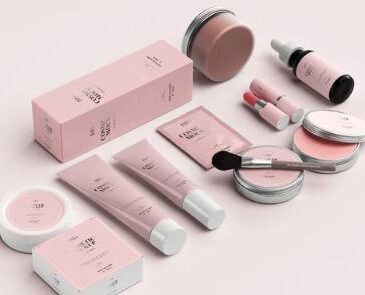
A fast packaging review under MoCRA means checking five things in sequence: the responsible person’s contact details, allergen disclosure, type size against the display panel, expiration or PAO symbols, and net quantity placement – in that order, before any print run is approved.
That sequence matters more than it sounds. Skip a step and a brand risks discovering the problem after a shipment has already cleared customs, which is a far more expensive place to find a labeling gap than a design proof.
What Changed Under MoCRA, Exactly?
MoCRA is the most significant expansion of FDA authority over cosmetics since 1938, and it reaches directly into how cosmetic packaging gets reviewed before launch. More than 14,000 cosmetic product facilities are currently registered with the FDA under the law, according to the agency’s own reporting – a scale that shows how widely these rules now apply, not just to large manufacturers but to small and mid-sized brands too.
Cosmetics aren’t a niche concern, either. The average person uses between 6 and 12 cosmetic products daily, per FDA data – moisturizers, shampoos, makeup, deodorant. That volume of daily contact is part of why regulators tightened disclosure rules around fragrance allergens and contact information.
Why Packaging Reviews Used to Be Looser
Before MoCRA, brands could often list “fragrance” as a single ingredient and leave it there. That loophole is gone. Specific allergens now need individual visibility on the label – not buried inside a catch-all term – which means packaging that passed review in 2022 may no longer pass it today.
How Should a Brand Structure Its Packaging Review?
The most efficient approach treats cosmetic packaging review as a checklist completed in order, not a single read-through. Reviewers who jump straight to ingredient lists often miss responsible-party gaps that are cheaper to fix early.
A practical sequence looks like this:
- Confirm the responsible person – verify the name on the label matches a real entity that meets MoCRA’s legal definition
- Check domestic contact information – a U.S. address, phone number, or electronic contact must appear on the packaging of cosmetics sold here, even for imported brands
- Audit allergen and ingredient disclosures – confirm descending-weight order and individual allergen visibility
- Measure type size against panel area – don’t approve from a screen; print a physical proof at true size
That sequence won’t catch everything on its own, but it catches the categories of mistakes that cause the most delays.
What Counts as a Domestic Contact Requirement?
A domestic contact requirement means the package must list a U.S. address, U.S. phone number, or electronic contact such as a website or email for reporting adverse events – a foreign office address alone does not satisfy it. This trips up international brands more than any other single item on a review checklist.
Some brands have started printing a small QR code linked to a digital reporting form. It’s a practical fix for tight spaces – lipstick tubes, eye pencils – where a full mailing address simply won’t fit legibly.
How Small Can Label Text Actually Get?
Ingredient text must be no smaller than 1/16 inch in height when the display panel has enough surface area, dropping to a floor of 1/32 inch on smaller packaging. That’s not a stylistic guideline – it’s a hard threshold tied to the panel’s physical dimensions, and violations are graded by measurement, not impression.
This is exactly where digital proofs mislead reviewers. A label looks crisp at full screen size, then turns illegible once it’s actually printed on a small jar lid.
Where Does Sustainable Packaging Complicate Compliance?
Sustainable cosmetic packaging complicates compliance because it usually shrinks the printable surface area, leaving less room for the same mandatory text. A refill pouch or a slimmer tube doesn’t get a pass on allergen disclosure just because it’s better for the environment – every requirement that applies to a standard bottle still applies.
That tension forces sharper design choices rather than simply scaling text down until it’s barely legible.
| Format | Compliance Pressure Point | Sustainability Gain |
| Refillable jars | Allergen list must fit a smaller panel | Cuts single-use plastic significantly |
| Minimalist tubes | Type size sits near the 1/32-inch floor | Less material per unit sold |
| Concentrated formulas | Net quantity declaration still mandatory | Smaller footprint per use |
Brands exploring sustainable cosmetic packaging often work with a third party to test layouts before committing to a print run – and tools like getgen.ai get used in early-stage content and label drafting precisely because catching a sizing problem digitally is cheaper than catching it after physical proofs are ordered.
Does a Smaller Package Mean Fewer Disclosure Rules?
No – package size affects how information fits, not whether it’s required. The net quantity declaration, ingredient list, and contact information remain mandatory regardless of format, though the FDA does allow reduced type-size minimums on smaller panels.
What Happens If a Review Misses Something?
The consequences scale with severity, but none of them are pleasant on a launch timeline. Mandatory recall authority gives the FDA power to order a recall directly if a responsible person won’t act voluntarily, in cases where a product poses a serious health risk. Short of that extreme, warning letters and import detentions are the more common – and still disruptive – outcomes.
A few patterns show up repeatedly in flagged packaging:
- Allergens listed generically instead of individually
- Foreign contact information used in place of a domestic requirement
- Type size approved from a digital file rather than a physical proof
- PAO symbols missing or placed somewhere a shopper won’t notice
None of these mistakes requires sophistication to avoid. They require sequence – checking the right thing before the print order goes out, not after.
Frequently Asked Questions
What is MoCRA, in plain terms?
MoCRA is the federal law that expanded FDA authority over cosmetic facility registration, product listing, and label disclosure requirements, enacted December 29, 2022, with most provisions enforceable since December 2023.
How long does a cosmetic packaging review usually take?
A structured review following the responsible-person-to-type-size sequence outlined above typically takes a few days for a single SKU, though multi-panel or multilingual packaging adds time.
Is sustainable cosmetic packaging held to different MoCRA standards?
No. Every disclosure requirement that applies to conventional packaging of cosmetics applies equally to eco-conscious formats – smaller panels just make compliant layout design harder, not optional.
What’s the fastest way to catch a type-size violation before printing?
Order a physical proof at true size early in the process; screens routinely make undersized text look legible when it isn’t.
Who is legally responsible if a label is wrong?
The responsible person named on the label – typically the manufacturer, packer, or distributor – carries that accountability under the FD&C Act.


