

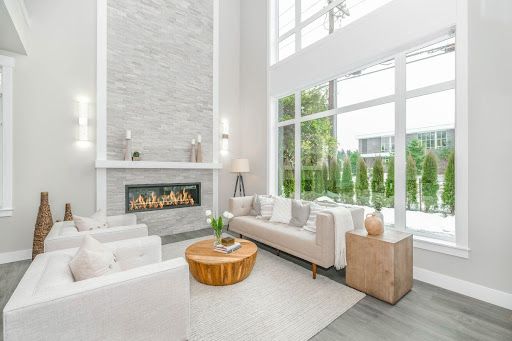
Designing a home that feels warm, inviting, and visually interesting involves more than just selecting the right furniture. Incorporating paint and other textures into your home can effortlessly elevate your space and make it more dynamic. Whether you’re looking for a subtle touch or a bold transformation, here are some practical ways to integrate paint and textures into your home design.
Experiment with Different Paint Finishes
Paint is one of the easiest ways to refresh a space, and using different finishes can add depth and character. Instead of sticking to flat or matte paints, consider using satin, semi-gloss, or high-gloss finishes in different areas of your home. For instance, matte paints work well for walls, while high-gloss can be used on trim and moldings to create contrast. Textured paints, such as suede or metallic finishes, can also introduce a luxurious feel without the need for additional décor. To achieve the desired effect with your paint, it’s a good idea to hire an expert interior decorator Birmingham to complete the work for you to guarantee a quality finish.
Create an Accent Wall
A simple yet effective way to introduce texture is by designing an accent wall. You can achieve this by using bold paint colors, wallpaper, or even faux finishes like sponge painting or rag rolling. If you prefer a more dramatic look, consider using stencils to create intricate patterns or geometric designs that add dimension and intrigue to the room.
Utilize Wall Panels and Molding
Wall panels, such as wainscoting, shiplap, or beadboard, add instant texture and elegance to any room. These elements create a sophisticated look that pairs well with both modern and traditional designs. For a contemporary approach, try 3D wall panels in sleek finishes like wood, concrete, or plaster to give your space an artful edge.
Introduce Textured Wallpapers
Wallpaper has made a major comeback in home design, with many options now offering rich textures and patterns. Grasscloth, linen, and embossed wallpapers create a tactile experience that paint alone cannot achieve. A textured wallpapered wall in a bedroom or living space can make a striking statement while keeping the rest of the décor simple.
Incorporate Natural Materials
Bringing in natural elements such as wood, stone, and brick is a great way to introduce texture organically. Exposed brick walls, reclaimed wood beams, or stone fireplaces add a rustic charm to your home. If structural changes aren’t an option, opt for textured décor pieces like woven baskets, wooden furniture, or ceramic accessories to create a layered effect.
Layer Fabrics and Soft Textures
Soft furnishings play a crucial role in adding warmth and depth to a space. Mix and match different fabrics such as velvet, linen, and faux fur in the form of throw pillows, area rugs, and drapes. Textured upholstery can also make a significant impact—think tufted headboards, leather chairs, or boucle sofas for an elegant touch.
Use Decorative Paint Techniques
Beyond standard wall paint, decorative techniques like ombré effects, color washing, and stippling can bring artistry to your home. These techniques add a handcrafted appeal and can be customized to match your aesthetic preferences.
Final Thoughts
Incorporating paint and textures into your home doesn’t have to be overwhelming. Whether you prefer a subtle approach or a bold transformation, playing with textures and paint will ensure your space feels both stylish and comfortable.
