

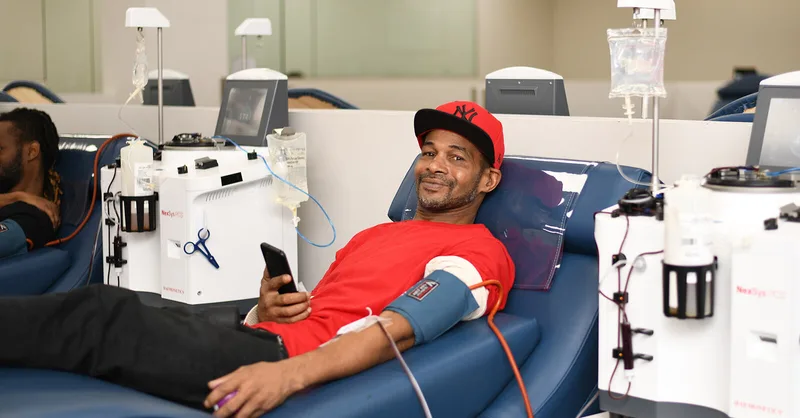
Donating plasma is a generous act that supports patients who depend on plasma-derived therapies for serious medical conditions. At the same time, many donors are aware that donate plasma centers offer compensation for the time and effort involved in the process. This combination of helping others while receiving financial rewards often raises questions about how compensation works, why it is offered, and what donors can expect during their visits.
Compensation policies vary between facilities, but they all follow structured guidelines designed to remain ethical, transparent, and compliant with regulations. Understanding these policies helps donors make informed decisions and approach the donation process with clear expectations. When donors know how compensation is calculated and distributed, they can focus on maintaining a safe and consistent donation routine.
Why Donate Plasma Centers Offer Compensation
Compensation at donate plasma centers is not payment for the plasma itself but rather a form of appreciation for the donor’s time, travel, and commitment. Plasma donation takes longer than a standard blood donation because of the apheresis process, which separates plasma from other blood components before returning them to the body. This process can take up to an hour or more, making it a time investment for donors.
Centers recognize that donors adjust their schedules, travel to facilities, and follow preparation guidelines to ensure successful donations. Providing compensation helps acknowledge these efforts and encourages regular participation, which is important for maintaining a stable plasma supply. Patients who rely on plasma-based medications need consistent availability, and donor participation supports this ongoing need.
Compensation also makes donation accessible to a wider range of people. Some individuals may be motivated primarily by the opportunity to help others, while others appreciate the financial benefit that can help with small expenses or savings goals. Donate plasma centers aim to create a system that supports both motivations without compromising donor safety or ethical standards.
How Compensation Is Structured
The structure of compensation at donate plasma centers often depends on donation frequency, promotional programs, and whether the donor is new or returning. First-time donors sometimes receive higher incentives during their initial visits as part of welcome programs. These incentives are designed to encourage individuals to try the process and become familiar with how donation works.
Regular donors may follow a tiered compensation model where the amount increases with consistent visits within allowed time frames. This structure rewards donors who follow safe donation schedules and remain committed over time. Centers carefully track donation history to ensure donors do not exceed recommended limits while still benefiting from these programs.
Compensation is typically provided through prepaid debit cards or electronic payment systems rather than cash. This method ensures secure and organized distribution while allowing donors to access funds easily. Policies regarding payment timelines, bonus incentives, and eligibility are clearly explained by staff so donors understand what to expect before they begin.
Transparency is an important part of the process. Reliable donate plasma centers provide clear information about how much donors will receive per visit, how bonuses work, and what factors might affect eligibility for certain programs. This clarity prevents misunderstandings and builds trust between donors and staff.
Factors That Influence Compensation Eligibility
Several factors can influence whether a donor qualifies for compensation during a visit to donate plasma centers. Health screenings play a central role. If a donor is deferred due to low protein levels, dehydration, or other temporary health concerns, they may not be able to donate that day and therefore may not receive compensation. These measures prioritize donor safety above all else.
Attendance consistency also matters. Some compensation programs require donors to follow specific schedules, such as donating twice within a seven-day period. Missing appointments or exceeding safe donation limits may affect eligibility for certain bonuses. Centers emphasize that these rules are designed to protect donor health while maintaining fairness in compensation programs.
Documentation and identification requirements must also be met. Donors are expected to provide valid identification and complete necessary paperwork during initial registration. Keeping records updated ensures smooth visits and uninterrupted participation in compensation programs.
Understanding the Ethical Approach to Compensation
There is often curiosity about whether compensation influences the safety or integrity of plasma donation. Donate plasma centers operate under strict regulations that prevent unethical practices. Compensation is carefully balanced so it does not encourage donors to ignore health guidelines or donate more frequently than is safe.
Medical staff monitor each donor’s condition before every session, ensuring that no one donates beyond recommended limits. If there are any signs of fatigue or health concerns, donors are advised to rest and return another day. This approach protects donors while ensuring that plasma collected meets high medical standards.
By maintaining ethical compensation policies, centers create an environment where donors feel valued without feeling pressured. This balance supports long-term donor participation and a positive donation experience.
Understanding how compensation works at donate plasma centers allows donors to approach the process with confidence and clarity. When policies are transparent, structured, and guided by health regulations, donors can focus on the meaningful impact of their contributions while appreciating the practical benefits offered for their time and commitment.
