

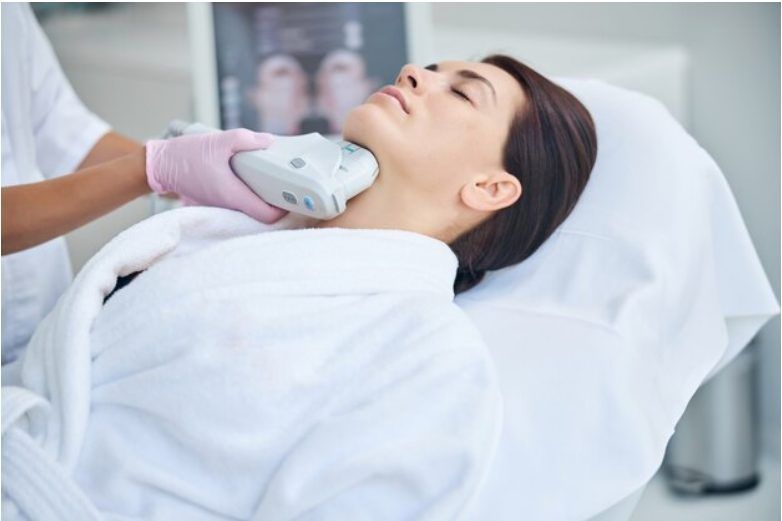
Ulthera treatment, commonly known as Ultherapy, has gained popularity as a non-invasive alternative to surgical facelifts. It utilises ultrasound technology to stimulate collagen production, resulting in firmer, tighter, and more youthful-looking skin. As the demand for minimally invasive cosmetic procedures grows, Ultherapy stands out as a trusted option for those seeking natural-looking results without the risks and downtime associated with surgery. The treatment has been clinically proven to improve skin laxity on the face, neck, and décolletage, making it an appealing choice for individuals looking to address the early signs of ageing.
One of the key reasons Ultherapy has become a preferred treatment is its ability to target deeper layers of the skin without disrupting the surface. Traditional cosmetic procedures such as laser treatments and radiofrequency therapies primarily work on the skin’s outer layers. Ulthera treatment, on the other hand, delivers focused ultrasound energy deep into the foundational layers of the skin, where collagen production occurs. This unique approach enables the body to gradually produce new collagen, resulting in a lifting and tightening effect that continues to improve over several months.
Collagen is a vital protein responsible for maintaining skin structure and elasticity. As people age, collagen production slows down, leading to sagging skin, fine lines, and wrinkles. Ultherapy counteracts this natural decline by jumpstarting the body’s collagen production process. Unlike injectables or fillers that provide temporary volume, Ultherapy works with the body’s natural regenerative processes, creating results that develop gradually and last for an extended period. This makes it an excellent option for individuals who want subtle, natural enhancements rather than dramatic changes.
The treatment itself is relatively straightforward and does not require anaesthesia or significant preparation. During the procedure, a trained practitioner applies a special ultrasound gel to the targeted area and uses a handheld device to deliver precise ultrasound energy beneath the skin’s surface. The device is equipped with real-time imaging technology, allowing the practitioner to visualise the layers of tissue being treated and ensure precise delivery of energy. This level of precision enhances the safety and effectiveness of the procedure, making it a reliable choice for those looking for a non-surgical skin tightening solution.
A typical Ultherapy session lasts between thirty and ninety minutes, depending on the area being treated. While some patients may experience mild discomfort during the procedure, it is generally well tolerated, and any discomfort subsides shortly after the session. Unlike surgical facelifts that require extensive recovery time, Ultherapy allows individuals to resume their daily activities immediately. There may be some mild redness, swelling, or tenderness in the treated area, but these effects are temporary and typically resolve within a few days.
One of the most attractive aspects of Ultherapy is its ability to provide gradual and natural-looking results. Unlike procedures that deliver instant changes, Ultherapy works by stimulating the body’s natural healing process, with full results becoming visible within two to three months. The collagen-building process continues for up to six months, ensuring that improvements develop progressively rather than appearing artificial or sudden. This makes the treatment ideal for individuals who want subtle enhancements without drawing attention to the fact that they have undergone a cosmetic procedure.
The longevity of Ultherapy results varies from person to person, depending on factors such as age, skin condition, and lifestyle habits. On average, the effects can last between one and two years. While the treatment does not stop the natural aging process, it significantly slows it down by replenishing collagen levels. Many individuals choose to undergo maintenance sessions every twelve to eighteen months to prolong their results and maintain firm, youthful skin.
Ultherapy is suitable for a wide range of individuals, but it is particularly beneficial for those experiencing mild to moderate skin laxity. It is commonly used to address sagging skin on the lower face, jawline, neck, and brow area. It can also improve the appearance of fine lines and wrinkles on the décolletage, an area that is often overlooked in anti-ageing treatments. While Ultherapy delivers impressive results, it is important to have realistic expectations. The treatment provides a noticeable lifting effect, but it does not produce the same dramatic transformation as a surgical facelift. It is best suited for individuals looking for a natural, refreshed appearance rather than a complete overhaul of their facial features.
Safety is a major concern for anyone considering a cosmetic procedure, and Ultherapy has an excellent track record in this regard. It has been approved by regulatory bodies such as the US Food and Drug Administration (FDA) and has undergone extensive clinical studies to verify its safety and efficacy. Since it is a non-invasive procedure, the risks associated with surgery, such as scarring, infection, and anaesthesia complications, are eliminated. The treatment is performed by trained professionals who ensure that it is administered with precision and care, further minimising any potential risks.
Despite its many benefits, Ultherapy may not be suitable for everyone. Individuals with severe skin laxity or excessive sagging may not achieve their desired results with Ultherapy alone and may need to explore surgical options. Additionally, those with certain medical conditions or skin disorders should consult with a qualified practitioner to determine whether the treatment is appropriate for them. A thorough consultation is essential to assess skin quality, discuss expectations, and develop a personalised treatment plan.
Cost is another important factor to consider when deciding on Ultherapy. The price of the treatment varies depending on the clinic, practitioner experience, and the areas being treated. Larger treatment areas such as the full face and neck are generally more expensive than smaller, targeted treatments. While Ultherapy may seem costly compared to other non-invasive procedures, its long-lasting results and ability to stimulate natural collagen production make it a worthwhile investment. Some clinics offer financing options or payment plans to make the treatment more accessible to a broader range of individuals.
With advancements in non-surgical aesthetics, Ultherapy has positioned itself as a leading treatment for individuals seeking effective skin tightening without the risks and recovery time associated with surgery. Its ability to deliver natural, gradual improvements while maintaining facial harmony makes it an attractive option for those looking to enhance their appearance subtly. Unlike quick-fix treatments that offer only temporary results, Ultherapy provides long-term benefits by working with the body’s natural processes to rejuvenate and strengthen the skin.
As with any cosmetic procedure, selecting the right provider is crucial to achieving the best results. A qualified and experienced practitioner ensures that the treatment is performed safely and effectively, minimising discomfort and maximising results. Taking the time to research reputable clinics and undergoing a thorough consultation helps individuals make informed decisions about their treatment.
Conclusion
For those considering a non-invasive approach to skin tightening and lifting, Ultherapy offers a compelling solution backed by science and clinical research. Its ability to naturally stimulate collagen, deliver progressive improvements, and maintain skin integrity sets it apart as a reliable and effective anti-ageing treatment. Whether used as a standalone procedure or combined with other aesthetic treatments, Ultherapy provides a valuable option for those looking to maintain a youthful, refreshed appearance with minimal downtime and lasting results.
