



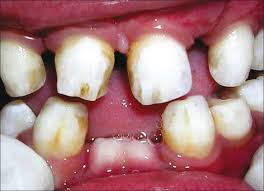
Not every smile follows the “perfect Hollywood” template. In reality, teeth come in a surprising variety of shapes, sizes, and contours. While some people notice their teeth look slightly different from others, what seems unusual is often completely normal. Tooth shape variation is a natural part of human diversity influenced by genetics, development, and sometimes environmental factors.
Understanding these differences can help ease concerns and highlight when a dental feature is simply unique rather than a problem.
Why tooth shapes vary in the first place
Tooth shape is primarily determined during early development. Genetics play the biggest role, influencing everything from size and spacing to cusp patterns and root structure. Just like eye color or height, teeth inherit traits from both parents, which can result in mixed or unexpected shapes.
Minor disruptions during tooth formation can also affect appearance. Nutritional factors, childhood illness, or trauma to developing teeth may slightly alter enamel formation, though many variations are harmless.
Common unusual tooth shapes
Peg-shaped teeth
Peg teeth are smaller-than-normal teeth, usually affecting the upper lateral incisors (the teeth next to your front two teeth). Instead of a wide, flat edge, they appear narrow and pointed. While they may stand out visually, peg teeth are mostly a cosmetic concern rather than a health issue.
Shovel-shaped incisors
Some people have incisors that curve inward on the back side, creating a “shovel” appearance. This shape is especially common in certain populations and is considered a normal genetic variation rather than a defect.
Talon cusps
A talon cusp is an extra bump of enamel that forms on the back of a front tooth. It can resemble a claw or ridge. While usually harmless, it may occasionally affect bite alignment or cause sensitivity if it wears unevenly.
Fused or geminated teeth
Sometimes two tooth buds partially join during development, resulting in a wider or oddly shaped tooth. These fused or “double” teeth can look unusual but often function normally.
Spaced or tapered teeth
Teeth that gradually narrow toward the top or appear widely spaced can also create a unique smile pattern. This may be genetic or influenced by jaw size compared to tooth size.
What causes these differences?
The main factor behind unusual tooth shapes is genetics. However, other influences include:
- Developmental variations in tooth buds
- Jaw size differences leading to spacing changes
- Early childhood trauma or pressure
- Environmental factors during enamel formation
In most cases, these traits are not linked to disease or poor oral health.
Do unusual tooth shapes affect dental health?
Most tooth shape variations are purely cosmetic. However, in some cases, they can influence bite alignment, chewing efficiency, or plaque buildup. For example, deeply grooved or oddly shaped teeth may trap food more easily, requiring extra care during brushing and flossing.
Dentists typically monitor these variations during routine checkups to ensure they do not lead to long-term issues.
Treatment and cosmetic options
Not everyone chooses to treat unusual tooth shapes, especially when they don’t affect function. But for those who want a more uniform smile, modern dentistry offers several options:
- Dental bonding to reshape edges
- Veneers for consistent appearance
- Orthodontic treatment to adjust spacing
- Enamel contouring for minor reshaping
- Advanced orthodontics like aligners and even 3d printed braces for precise tooth movement planning
These treatments are generally safe and customizable depending on the individual’s needs and goals.
Embracing natural variation
What’s important to remember is that no two smiles are exactly alike. Slight irregularities in tooth shape are part of what makes human appearance diverse. In many cultures, these differences are not seen as flaws but as unique features.
Dental aesthetics continue to evolve, but the idea of a “normal” smile is much broader than perfect symmetry or uniform teeth.
Final thoughts
Unusual tooth shapes may catch attention, but they are usually harmless and often entirely normal. Whether it’s peg-shaped incisors, shovel teeth, or subtle asymmetries, these variations reflect the complexity of human genetics and development. If anything about your teeth concerns you, a dental professional can help determine whether treatment is necessary—or simply reassure you that your smile is already perfectly natural in its own way.


