



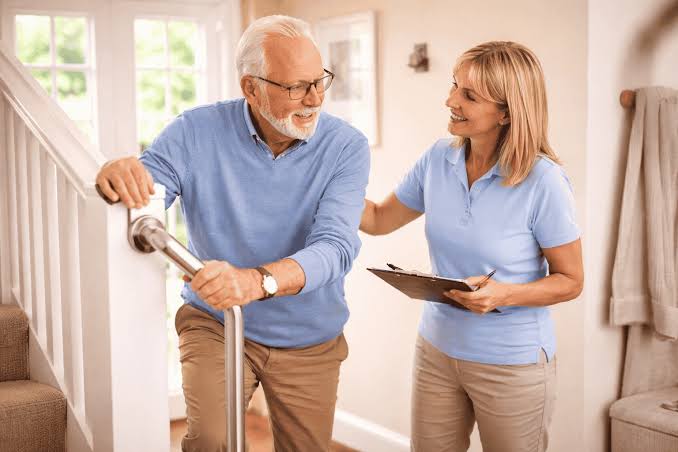
As our loved ones age, it is natural to focus heavily on their physical health—managing medications, preventing falls, and ensuring they eat well. However, there is a silent epidemic affecting millions of aging adults that is often missed until it becomes a crisis. Social isolation in older adults is a profound and growing issue that impacts not just emotional well-being, but physical health as well. Understanding this hidden risk is the first step for families and caregivers to protect the seniors they love.
Understanding Social Isolation in Older Adults
Social isolation is more than just feeling lonely from time to time. It is a measurable lack of social contacts and having few people to interact with regularly. While someone can be isolated without feeling lonely, or feel lonely while surrounded by people, the two often go hand in hand for seniors. As retirement sets in, mobility decreases, and social circles naturally shrink, many older adults find themselves spending days or even weeks with little to no meaningful human interaction. Recognizing this reality is crucial because the impact of isolation is far-reaching and deeply damaging.
The Common Causes of Social Isolation in Elderly
To address the problem, families must first understand the causes of social isolation in elderly individuals. These causes are often cumulative, building up over time:
- Loss of Loved Ones: The passing of a spouse, siblings, or close friends significantly reduces a senior’s social network.
- Mobility and Health Issues: Chronic pain, physical disabilities, or a fear of falling can make it difficult for seniors to leave their homes, leading them to withdraw from social activities.
- Hearing and Vision Loss: Sensory decline can make conversations difficult and frustrating, causing many older adults to avoid social gatherings altogether.
- Lack of Transportation: When seniors are no longer able to drive safely, they lose a major source of independence, making it harder to visit friends, attend community events, or run errands.
- Geographic Distance: Families are often spread out across the country, leaving aging parents without nearby relatives for regular visits.
The Serious Effects of Social Isolation in the Elderly
The consequences of spending too much time alone are severe. The effects of social isolation in the elderly extend far beyond temporary sadness, acting as a catalyst for a wide range of medical and psychological conditions.
How Isolation Affects Physical Health
Research has consistently shown that prolonged isolation is as dangerous to physical health as smoking 15 cigarettes a day. It is linked to a weakened immune system, higher blood pressure, and a significantly increased risk of heart disease and stroke. Furthermore, seniors who are isolated are less likely to maintain a healthy diet, exercise regularly, or take their medications as prescribed. Without a support system or regular visitors to notice a decline in health, minor medical issues can quickly escalate into emergencies.
The Mental and Emotional Toll of Loneliness
The psychological impact is equally devastating. Chronic loneliness is a major risk factor for depression and anxiety in older adults. It also accelerates cognitive decline. Without regular conversation and mental stimulation, the brain lacks the exercise it needs to stay sharp, which can increase the risk of developing dementia and Alzheimer’s disease. Seniors experiencing severe isolation may also suffer from a loss of purpose, leading to a diminished will to live.
How to Reduce Social Isolation in Elderly Loved Ones
Fortunately, there are actionable steps families can take. If you are wondering how to reduce social isolation in elderly relatives, start with consistent communication. Schedule regular phone calls or video chats, and encourage other family members to do the same. Help them engage with their local community by finding senior centers, accessible hobby groups, or volunteer opportunities that match their interests and mobility levels. Teaching them how to use simple technology, like tablets for video calling, can also bridge the geographic gap.
However, when families live far away or juggle demanding schedules, professional support can be life-changing. Partnering with a trusted Senior care agency like AmeriBest can provide the consistent companionship and care your loved one needs. Caregivers do more than assist with daily tasks; they offer meaningful conversation, share meals, and provide a reliable, friendly presence that brings joy and structure to a senior’s day. By taking proactive steps and enlisting the right support, you can ensure your aging loved ones remain connected, valued, and healthy.


