

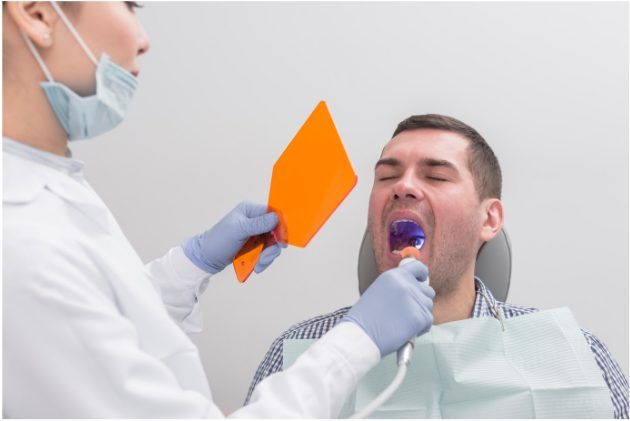
A tooth filling in Singapore is a dental procedure used to repair cavities or decayed areas in the teeth, typically involving materials like resin, metals, or porcelain.
Types of Tooth Fillings
Amalgam Fillings
Amalgam fillings are dental restorative materials primarily used for filling cavities caused by tooth decay. They contain a mix of metals, including mercury and silver.
Composite Fillings
Composite fillings are a tooth-coloured resin blend, used for restoring decayed teeth and enhancing aesthetics by matching the natural colour of your teeth.
Gold Fillings
Gold fillings, typically used for dental restorations, are known for their durability and longevity. They offer greater resistance to corrosion and tarnish than amalgam fillings.
Ceramic Fillings
Ceramic fillings are a tooth-coloured restorative dental solution. Known for their durability, aesthetics and biocompatibility, they offer superior resistance to discolouration and wear and tear.
Glass Ionomer Fillings
Glass ionomer fillings are a tooth-coloured material suitable for children or adults prone to cavities. They release fluoride, aiding in preventing further tooth decay.
Indications for Tooth Filling
Cavities
Cavities, or dental caries, are permanent damage to teeth caused by bacterial plaque buildup. Poor oral hygiene often contributes to cavity development and may require fillings.
Tooth decay or damage
Tooth decay, or dental caries, occurs when enamel degrades due to harmful bacteria buildup, leading to cavities and potential damage if left untreated.
Tooth fracture
A tooth fracture occurs when a tooth cracks, chips, or breaks. It can result from trauma, biting hard substances, or even severe dental decay.
Aesthetic enhancements
Aesthetic enhancements help individuals achieve desired physical features, boosting self-esteem. They range from cosmetic surgery to non-invasive procedures like Botox injections or laser treatments.
Benefits of Tooth Filling
Prevention of further tooth decay
Proper oral hygiene, frequent dentist visits combined with a balanced diet can effectively prevent further tooth decay ensuring healthier gums and stronger teeth.
Improvement in the functionality of the tooth
Advancements in dental health technology have improved tooth functionality, leading to better chewing effectiveness, oral communication ease and aesthetically pleasing smiles for individuals globally.
Enhancement of the aesthetic appearance
Enhancement of aesthetic appearance involves modifications or improvements to increase visual appeal, invoking a sense of beauty, and elevating overall attractiveness.
Post-procedure Care for Tooth Fillings
Proper oral hygiene
Proper oral hygiene involves consistent teeth brushing, flossing, eating a balanced diet and visiting the dentist regularly for cleaning and routine check-ups.
Regular dentist visits
Regular dentist visits are essential for maintaining oral health and preventing gum diseases and cavities. These check-ups help in the early detection of potential issues.
Avoiding hard and sticky foods
Avoiding hard and sticky foods prevents tooth damage, particularly for individuals wearing braces. Dental health greatly benefits from limiting such food consumption. Maintain a balanced diet instead.
Using mouthwash and fluoride gel
Using mouthwash and fluoride gel regularly can significantly reduce the risk of cavities and gum disease, promoting a healthier oral environment and fresher breath.
Tooth filling FAQs
How long does a tooth filling last?
A tooth filling can typically last from seven to twenty years, depending heavily on the material used and individual oral hygiene habits.
How painful is a tooth filling?
The discomfort level during a tooth filling varies–some might feel minor pain, others none. Topical or local anaesthetics often reduce any potential pain effectively.
Can I eat after a filling?
Yes, you can eat after a filling. However, wait until the local anaesthetic wears off to prevent accidentally biting your cheek or tongue.
Which type of tooth filling is best?
The best type of tooth filling largely depends on the individual’s needs. Composite resin fillings, however, offer durability and aesthetic appeal for most patients.
