



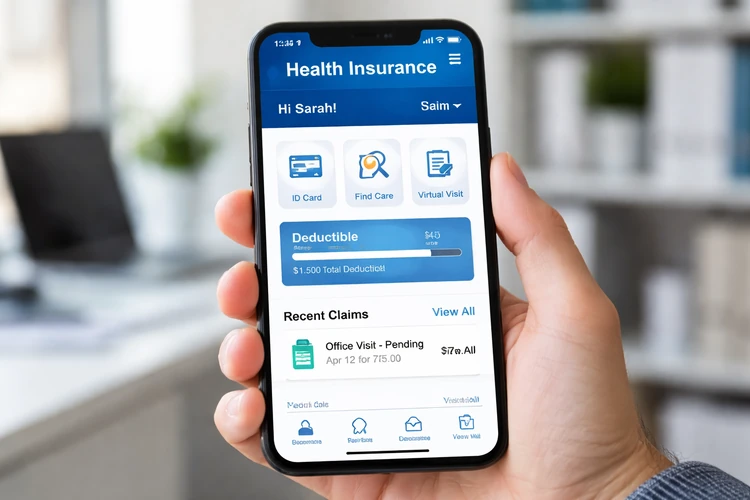
Health insurance is no longer about stacks of paperwork and long wait times on the phone. It’s now a tap-and-done game. But here’s the real question: does your app actually make your life easier, or look fancy?
If you’re juggling policies, claims, or even managing health insurance for parents, the right app can save you time, stress and a lot of unnecessary panic when things go wrong.
Why Health Insurance Apps Matter Today
The old-school insurance experience was slow, paper-heavy and confusing. Health insurance apps fix that with a single clean swipe.
Everything sits in your pocket now: policy details, network hospitals, claims, renewals, all available 24/7. No waiting, no confusion, no “sir, please send email again” energy.
They also bring transparency. You actually know what your policy covers instead of decoding fine print like it’s a secret puzzle. And when you’re managing health insurance for parents, this clarity becomes a game-changer because quick decisions matter more than anything else.
Must-Have Core Features in a Health Insurance App
A good health insurance app is only as useful as the features it packs. Here’s what actually makes the difference in everyday use:
- User-Friendly Dashboard: A clean, simple view of coverage, policy status and renewal dates. If your parents can’t navigate it easily, it’s already a mistake.
- Digital Policy Management: View, download, and manage all policies in one place. No more “where did I save that PDF?” moments, especially useful for health insurance for parents.
- Cashless Hospital Finder: Instantly locate nearby network hospitals with directions, contacts, and cashless eligibility.
- Seamless Claims Management: File claims, upload documents and track status in real time without constant follow-ups.
- E-Card Access: Quick access to digital insurance cards for smooth hospital admission during emergencies.
Advanced Features That Improve User Experience
These are the features that take a health insurance app from basic utility to actually helpful in real life.
- AI-Based Assistance
Chatbots and AI assistants are basically your insurance guide who never sleeps. They answer queries, explain policies and help with claims without making you wait on hold forever.
- Telemedicine Integration
Seeing a doctor without stepping out is no longer a “future” thing; it’s normal now. Teleconsultation in health insurance apps makes life easier when it’s something small, like a fever, a follow-up, or just needing quick medical advice. No travel, no waiting rooms, just a simple video call and you’re done.
- Wellness and Preventive Tools
Some apps don’t stop at insurance; they quietly push you to take better care of yourself. Step counts, fitness tracking, basic health tips, reminders for check-ups, it all adds up. It shifts insurance from something you only use during illness to something that actually supports day-to-day health.
- Notifications and Reminders
Most people don’t closely track renewal dates or claim deadlines, and that’s where apps step in. Simple reminders for premiums, policy renewals or pending actions save you from last-minute stress. This becomes even more useful when you’re handling insurance for parents, where small missed updates can turn into bigger delays.
- Family Account Management
One login, full control. You can manage your spouse’s and parents’ policies under one dashboard. This is where things get really practical, because healthcare responsibility often falls to one family member.
Conclusion
A good health insurance app isn’t just about convenience; it quietly decides how smoothly you handle real-life health situations. Whether it’s a quick hospital search, a claim in progress or managing health insurance for parents, the difference shows up when things actually go wrong.
Don’t get impressed by fancy features. Choose the app that stays calm when you’re not, works fast when you need answers, and makes healthcare feel less like chaos and more like control.


