

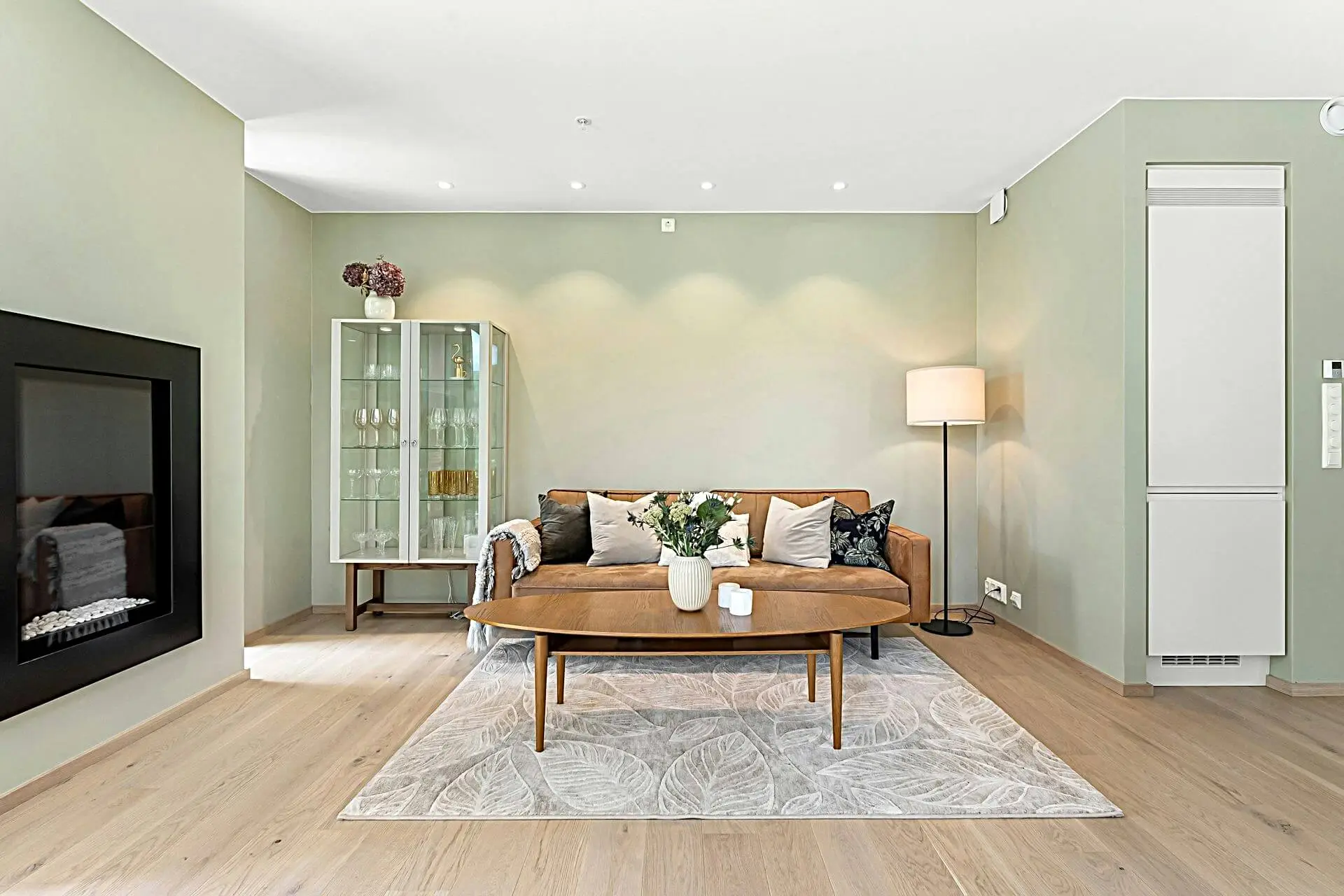
Lighting has always been one of the most powerful tools in interior design, shaping not only how a space looks but also how it feels. In recent years, the lighting industry has embraced a clean, integrated aesthetic that reflects the broader design trend toward simplicity and refinement. LED recessed lights now sit at the heart of this evolution, offering the ideal balance of beauty and function through their discreet, seamless design and consistently strong illumination.
This shift toward minimalism has redefined the role of lighting in modern spaces. Homeowners and architects alike have moved away from heavy fixtures that dominate the room, preferring options that highlight architecture rather than distract from it. LED recessed lights are ideal in this regard, enhancing spatial flow and visual balance. They create an atmosphere of quiet sophistication while maintaining the brightness and clarity that contemporary interiors demand.
Beyond their visual contribution, these lights represent a technical leap in illumination. They allow for layered lighting schemes, combining ambient, accent, and task lighting to bring depth and versatility to any environment. This flexibility is one reason designers increasingly consider LED recessed lighting not just an accessory but a foundation for modern design.
Energy Efficiency and Environmental Responsibility
The rise of LED recessed lights is not driven by aesthetics alone. Their exceptional energy efficiency has made them a natural choice for environmentally conscious homeowners. Traditional incandescent bulbs waste much of their energy as heat, but LEDs convert most of their power directly into light, making them both cost-effective and eco-friendly. This efficiency leads to meaningful reductions in energy bills while helping reduce environmental impact.
Sustainability has become an essential consideration in both residential and commercial design. LED recessed lighting supports that goal through durability and longevity, significantly reducing the frequency of replacements. Unlike fluorescent bulbs, LEDs contain no mercury or other hazardous materials, making them safer for both people and the planet. In the age of responsible living, LED technology has emerged as a clear symbol of progress.
Performance reliability further strengthens the case for LED lighting. With a lifespan that can exceed 50,000 hours, these fixtures operate for years without noticeable dimming or maintenance issues. For architects, builders, and homeowners, this translates into a lighting solution that aligns efficiency, economy, and environmental care, a rare trifecta in modern design.
Seamless Integration with Modern Interiors
Few lighting options match the ability of LED recessed lights to complement a variety of design styles. From urban lofts to minimalist homes, their understated form harmonizes effortlessly with architectural features and interior materials. The recessed design ensures that the light source remains nearly invisible, maintaining the focus on the room’s natural lines, textures, and furnishings. The result is a cohesive, uncluttered aesthetic that defines the elegance of modern interiors.
As design priorities evolve, so does the demand for lighting that is both adaptable and efficient. Homeowners now seek fixtures that unite style with long-term performance, driving specialists and suppliers to develop solutions that balance practicality with sophistication. Trusted names in the lighting industry, such as Buy Rite Electric recognize this harmony, offering a broad selection of contemporary lighting options, including LED recessed lighting, that demonstrate how innovation and efficiency can merge to enhance the beauty and functionality of modern interiors.
Choosing lighting from experienced and trusted suppliers ensures both design integrity and product reliability. The right fixtures can unify an interior, delivering consistent performance while aligning with the aesthetic and technical standards of modern architecture. For homeowners and designers alike, LED recessed lights are the natural choice for achieving seamless integration and timeless appeal.
Enhancing Ambience and Mood
Lighting is not only about visibility; it is about emotion. LED recessed lights excel in their ability to set mood and tone, creating layered illumination that transforms a space throughout the day. With dimmable options and a range of color temperatures, these fixtures can shift from crisp, energizing daylight tones to soft, golden hues that foster relaxation. The result is lighting that feels natural and intentional, complementing both the architecture and the lifestyle within it.
The influence of lighting on human psychology is profound. Cool tones promote alertness and concentration, making them ideal for work areas, while warmer tones support rest and social connection. LED recessed lighting provides the versatility to adapt these tones to specific environments and activities. This customization enhances comfort, productivity, and overall well-being in a way that few other lighting options can match.
Advances in smart technology have further expanded this potential. Integration with home automation systems allows users to control their recessed lighting remotely or through voice commands, adjusting brightness and tone with ease. Whether setting the stage for a dinner gathering or preparing for a quiet evening, LED recessed lights provide effortless control over ambiance, bridging the gap between design and lifestyle.
Architectural Emphasis and Spatial Definition
In contemporary design, light is a structural element as much as a visual one. LED recessed lights give designers the ability to sculpt spaces with precision, highlighting architectural features and creating visual rhythm. When placed strategically along ceilings, walls, or floors, they draw attention to key details like crown molding, textured walls, or art displays. This level of control turns lighting into a creative medium rather than a mere utility.
Spatial definition is another strength of recessed lighting. In open-concept layouts, where boundaries are often blurred, lighting plays an important role in distinguishing zones without the use of partitions or heavy decor. Carefully positioned recessed lights can delineate dining, living, and work areas, maintaining openness while adding visual order. The result is a space that feels both expansive and thoughtfully organized.
Beam angles and fixture placements can further influence perception. A wide spread of light enhances a sense of spaciousness, while narrower beams create intimacy and focus. The accuracy of LED technology ensures that every beam performs exactly as intended, enabling designers to shape light in ways that align with the architectural intent of the space.
Safety, Durability, and Maintenance Benefits
Beyond their design flexibility, LED recessed lights provide practical benefits that make them an intelligent long-term investment. One of their key advantages lies in safety. Unlike incandescent bulbs that emit high levels of heat, LEDs operate at much cooler temperatures, reducing the risk of burns or fire hazards. This safety profile makes them ideal for use in ceilings, enclosed fixtures, and high-traffic areas.
Durability is another defining quality of LED technology. Built with solid-state components, LEDs resist vibration, moisture, and environmental fluctuations that would damage traditional bulbs. This makes them a dependable option in kitchens, bathrooms, and even outdoor installations where performance consistency is crucial. Their resilience ensures that once installed, they provide reliable illumination for years.
Maintenance efficiency adds to their appeal. Since LED recessed lights last significantly longer than conventional bulbs, they require fewer replacements and less upkeep. This is particularly beneficial in commercial environments, where operational efficiency matters most. Fewer maintenance cycles translate into savings of both time and money, making LED recessed lights a practical choice for anyone seeking lasting quality.
Redefining Interiors with LED Recessed Lighting
The future of interior lighting is being shaped by innovation, and LED recessed lights are at the forefront of that transformation. New technologies such as tunable white systems and circadian lighting are allowing users to mimic the natural rhythm of daylight indoors. These advancements promote health and productivity, aligning lighting more closely with human needs and lifestyles. The evolution of LEDs continues to bridge the gap between function and wellness.
Sustainability remains a guiding principle for the next generation of lighting. Smart sensors, solar integration, and adaptive control systems are redefining how energy is used within built environments. LED recessed lights, already efficient by design, are becoming even more responsive to real-time conditions, adjusting brightness and output based on occupancy and ambient light. These developments underscore a broader movement toward intelligent, sustainable architecture.
Ultimately, LED recessed lighting represents more than a design trend; it reflects the essence of modern living. It embodies simplicity, adaptability, and innovation, creating spaces that are both beautiful and responsible. As technology and design continue to evolve, recessed lighting will remain a central element in shaping interiors that inspire, perform, and endure.
