



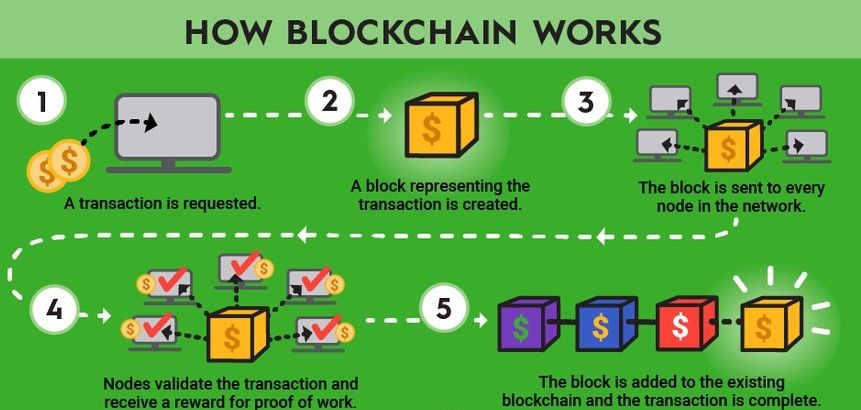
Blockchain is no longer only a topic for crypto traders or technical communities. It has become part of a wider business conversation about payments, digital infrastructure, financial access, and the future of online value exchange. For executives and entrepreneurs, the important question is not whether every blockchain project will succeed, but which technologies can solve practical problems for users and companies.
One area gaining attention is the ability to move digital assets quickly and efficiently between networks, wallets, and applications. As more businesses explore blockchain-based payments, stablecoins, decentralized finance, and tokenized assets, transaction infrastructure becomes increasingly important. A digital asset may be useful, but only if people can access it, transfer it, and exchange it without unnecessary friction.
TRON is one blockchain network often discussed in this context because of its focus on fast and low-cost transactions. For users trying to understand how asset movement works within this ecosystem, a tron swap is part of the broader process of exchanging or interacting with TRX and related digital assets across crypto services.
Why Transaction Efficiency Matters
In traditional finance, businesses are used to dealing with settlement delays, banking fees, currency conversions, and payment intermediaries. These systems are familiar, but they can be inefficient, especially for international transactions or digital-first companies working with global users.
Blockchain networks offer a different model. Transactions can be processed on decentralized networks that operate continuously, often without the same geographic limitations as traditional banking systems. This does not mean blockchain removes every challenge, but it can reduce friction in certain types of digital value transfer.
For business leaders, transaction efficiency matters because it affects user experience. If a payment or asset exchange is slow, expensive, or confusing, users may lose confidence. The companies that build around digital assets need infrastructure that feels reliable, clear, and practical.
TRON’s Role in the Digital Asset Ecosystem
TRON was designed to support fast blockchain transactions and decentralized applications. Over time, it has become known for high network activity, low transaction costs, and significant use in stablecoin transfers. These characteristics have made it relevant in conversations about payments and accessible blockchain infrastructure.
The network’s native asset, TRX, plays a functional role. It is used for transaction fees, network participation, and interactions with applications built on TRON. This means TRX is not only a market asset; it is part of the system that allows activity on the network to take place.
For executives evaluating blockchain use cases, this distinction is important. The value of a network depends not only on market attention, but also on whether it supports real activity. Networks that offer practical transaction flows may be better positioned for payment-related and consumer-facing applications.
What Businesses Should Consider
Any company exploring blockchain tools should approach them with a practical framework. Speed and low fees are useful, but they are not enough on their own. Security, compliance, liquidity, user education, and operational reliability also matter.
A business that accepts or manages digital assets must understand how transactions are confirmed, how wallets are secured, and how users are protected from common mistakes. Since blockchain transactions are usually irreversible, clear processes are essential.
Regulation is another important factor. Digital asset rules continue to develop across different markets, and businesses need to consider reporting, customer protection, anti-money laundering requirements, and tax implications. Blockchain can create new opportunities, but it also requires responsible implementation.
The Bigger Shift Toward Usable Crypto Infrastructure
The next stage of crypto adoption will likely depend less on speculation and more on usability. Many users do not want to understand every technical detail behind a blockchain transaction. They want tools that are fast, transparent, and easy to navigate.
This creates opportunities for fintech firms, payment providers, exchanges, wallet developers, and digital platforms. The most useful products will be those that make digital asset activity feel simpler without hiding important risks.
For CEOs and founders, the lesson is clear: blockchain should be treated as infrastructure, not a slogan. It becomes valuable when it improves speed, access, cost, or transparency in a way that users can actually experience.
Conclusion
TRON and similar blockchain networks show how digital asset infrastructure is moving toward practical use cases. Fast transactions, low fees, and accessible asset movement are becoming important parts of the broader fintech and business technology landscape.
For business leaders, the key is to look beyond market noise and focus on utility. Blockchain tools will matter most when they help companies and users move value more efficiently, securely, and transparently in an increasingly digital economy.


