



DUBAI, UAE, May 2026. Across twelve months of monitoring connected entry hardware at residential sites in City Walk and Dubai Marina, a pattern became clear: the failure modes that matter in this climate are not the ones the spec sheets warn about.
Test Conditions That No Lab Replicates
A locksmith who has serviced residential buildings in Dubai Marina for over a decade put it bluntly during one of our site visits: “Every smart lock I pull out of a unit after two summers looks ten years old on the inside.” That observation shaped the entire methodology here.
Lab certifications cover IP dust ratings and operating temperature ranges, but they rarely simulate sustained ambient heat above 45C with simultaneous humidity fluctuations caused by air-conditioning cycling. In Dubai, exterior-facing door hardware can register surface temperatures above 70C during peak summer afternoon hours. Entryway thresholds in ground-floor City Walk villas accumulate fine construction dust that clogs biometric sensors within weeks. Battery terminals oxidize faster in this combination of heat and salt air than in any temperate European test environment.
Residents needing reliable key cutting services know that mechanical fallback is not optional; it is the last line of defense when a battery dies at 2 AM or a firmware update bricks the Bluetooth module.
In the building clusters we monitored, locksmith Dubai Marina callouts were dominated by two failure categories: depleted batteries and fingerprint sensor rejection rates climbing above 30 percent after the first summer.
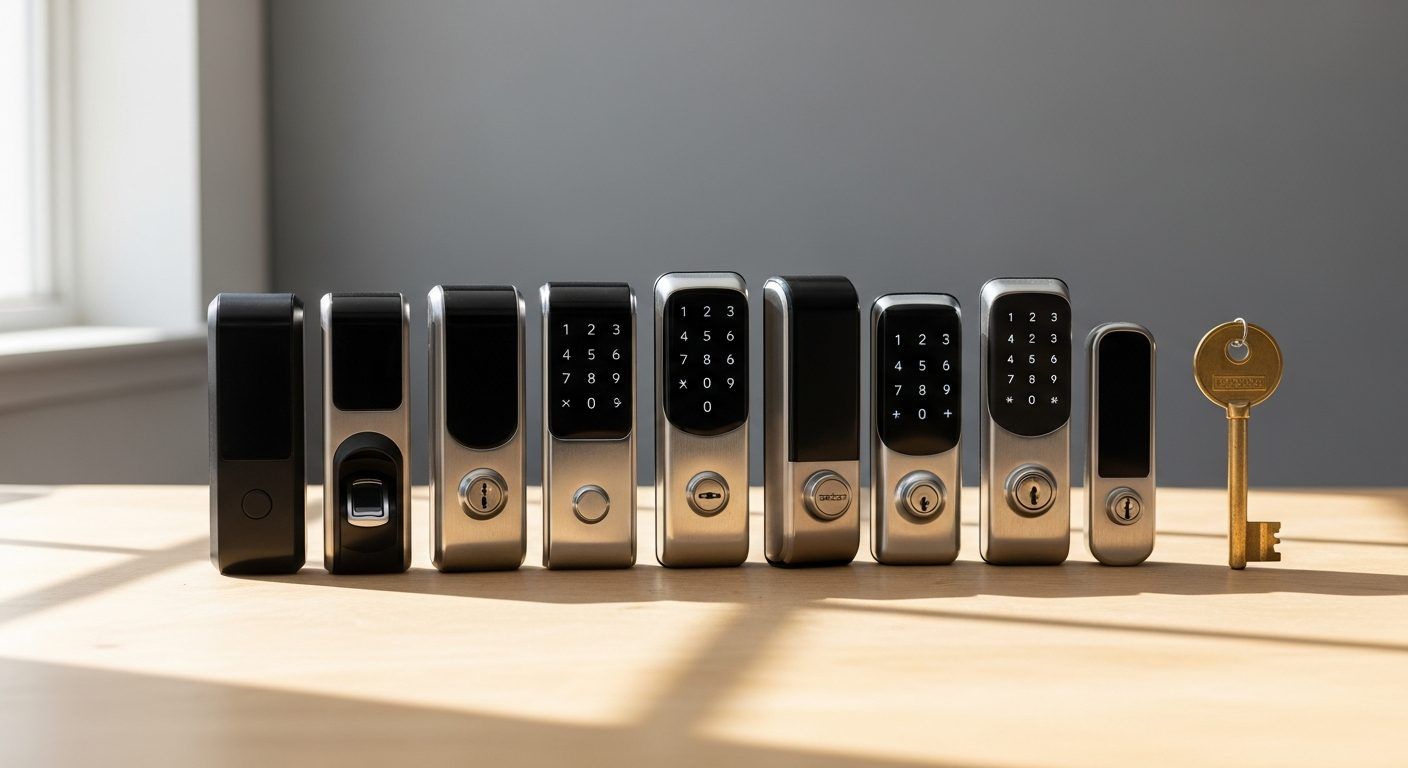
The eight devices below were assessed across real installations, not controlled bench tests.
____________________________________________________________
How the Eight Locks Held Up
Aqara U200
Rated 12-month battery cycle in temperate conditions; compressed to roughly six months through summer at City Walk exterior-facing doors. NFC card fallback stayed functional. Two units required physical reset after an interrupted firmware update over Matter.
Yale Assure 2
Most predictable battery behavior of the group, using four AA cells with acceptable recognition rates through the hottest months. The keypad-primary design keeps biometrics as a secondary input, which cushioned the heat impact. Mechanical key cylinder is standard and requires periodic lubrication in dusty entryways.
Schlage Encode Plus
Strong keypad reliability but one clear failure mode: the Apple Home Key NFC chip became unreliable after sustained heat exposure on a west-facing Marina apartment door. PIN codes worked throughout. Mechanical override is among the most accessible in the group.
Samsung SHP-DR708
Most consistent fingerprint performance in humidity-heavy conditions. The capacitive sensor handles moisture better than optical alternatives. Accepted emergency power via external 9V terminal without issue during one actual lockout in the Marina sample.
Igloohome Deadbolt 2S
Offline-first PIN design worked reliably for City Walk short-let apartments with zero cloud dependency failures. Battery life was the worst performer: replacement needed every three to four months through summer. No biometric reader means no biometric failure.
Philips EasyKey
Competitive fingerprint response in non-summer months; false-rejection rate climbed during peak heat, pushing residents to PIN fallback. The display screen remains readable in direct afternoon sun, a practical benefit on City Walk courtyard-facing entrances.
Lockly Vision Elite
The camera is the most heat-sensitive component. West-facing installations showed lens housing discoloration after one summer and degraded night-vision quality. PIN shuffle technology on the display is effective against shoulder-surfing in building lobbies. The mechanical deadbolt functions independently of the electronics.
Ultraloq Bolt Mission
Four-in-one access (fingerprint, PIN, key, app) gives it the most fallback options in this test. Battery performance landed closer to five months through peak summer, better than the Igloohome in comparable installations. The hidden exterior keyhole reduces one attack vector but creates complications if all electronic inputs fail simultaneously.
____________________________________________________________
What the Field Test Says About Mechanical Backups
Every device in this group has a mechanical key cylinder. After twelve months of real-world use, that cylinder is not a legacy feature; it is the component that justifies the entire installation for building managers.
The failure scenarios that generated service callouts were flat batteries, rejected fingerprints after a humid night, and firmware states requiring a power cycle. In every case, the mechanical key was the resolution. The practical implication: the physical key needs to live somewhere accessible and the cylinder needs annual lubrication as a maintenance schedule, not a precaution. Devices that recess or tool-lock the cylinder created longer lockout resolution times.
____________________________________________________________
Buyer Recommendations By Use Case
Villa owner, City Walk or similar villa cluster:
Samsung SHP-DR708 and Yale Assure 2 lead here. Both handle heat and dust with fewer service interventions than biometric-primary options.
Marina apartment, owner-occupied:
Schlage Encode Plus and Ultraloq Bolt Mission. Schlage for Apple ecosystem integration (accepting the NFC limitation on west-facing doors), Ultraloq for maximum fallback redundancy. Either requires a battery-check schedule every four months.
Short-let or holiday rental property:
Igloohome Deadbolt 2S. Offline PIN management eliminates cloud dependency, and no biometrics removes the humidity-related rejection problem. Budget for accelerated battery drain.
Premium residential with video coverage:
Lockly Vision Elite, provided the camera housing is shaded from direct afternoon sun. East or north-facing doors will show better hardware longevity.
____________________________________________________________
No single device handled every Dubai-specific condition without compromise. Sustained 50C ambient heat, sandstorm particulate intrusion, and humidity fluctuations from air-conditioning cycles narrow viable options faster than any benchmark number. Whoever installs your hardware matters as much as which hardware you choose; incorrect sealing, poor cable routing, and skipped lubrication steps accelerate every failure mode documented above.
____________________________________________________________
FAQ
Q: How often should smart lock batteries be replaced in Dubai’s climate?
A: In Dubai, exterior-facing installations with sustained summer heat should be checked every 3 to 5 months depending on the device. The Samsung SHP-DR708 and Yale Assure 2 tracked closest to rated intervals; the Igloohome Deadbolt 2S and Aqara U200 compressed significantly under sustained heat.
Q: Are fingerprint smart locks reliable in Dubai’s humidity?
A: Reliability varies by sensor type. Capacitive sensors (Samsung, Ultraloq) handle humidity better than optical sensors. Any device with fingerprint as the primary access method should have a PIN or key fallback configured as the default routine, not an emergency-only option, given that rejection rates across the group climbed during humid months.
Q: Can Dubai residents install smart locks on apartment doors without landlord approval?
A: This depends on the building management agreement and lease terms. Many newer Marina and City Walk buildings have master-key or building-access systems that interact with individual unit locks. Replacing a unit door lock typically requires written approval from building management and may require using approved hardware lists. Confirm with your property manager before purchasing.


