

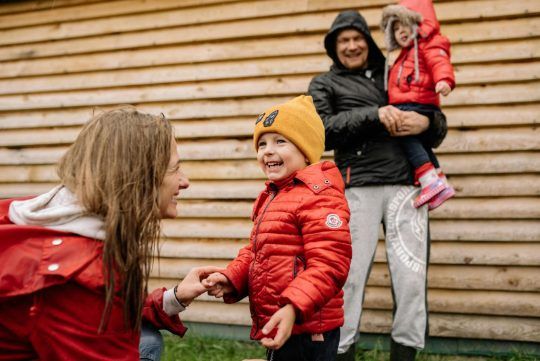
Jackets are not just an ordinary thing when it comes to the clothing of kids. They are vital in comfort, security, and style. The freezing winter mornings, brisk fall days, and well-liked kids jackets keep little ones warm, safe, and able to play. Finding the balance between durability, affordability, and not being out of fashion is something the parents can understand, because of the quickness with which their child outgrows clothes. In this guide, we explore the basics behind kids’ jackets, including materials, features, style choices, and handy purchasing advice.
Why Jackets Are Essential for Kids:
Kids spend ample time out, whether at school, the ground, or even on family outings. The weather may change at any time, and young bodies are easily overheated compared to adults. A jacket will provide a wind, rain, or snow screen. In addition to what they do, they are also used as a means of personality expression. Most children are fond of colorful and adventurous colors, disco prints, and characters of their favorite programs. With a properly selected jacket, cold days will be a great adventure, rather than unpleasant.
Types of Kids’ Jackets:
Outerwear does not have a one-size-fits-all. Depending on the season or activity, parents usually purchase jackets of different colours. Some of the most popular types are the following:
- Lightweight Windbreakers: Perfect for spring and fall, windbreakers are great against breezy days; they are not too heavy either. They frequently include a hood, waterproofing, and pair well with boys hoodies for extra comfort.
- Puffer Jackets: The puffers are known to be quilted and insulated to keep the kids warm in cold weather. Others are lightweight even when they are warm and are suitable for active children.
- Rain Jackets: These jackets protect against wet weather, and they are normally sealed at the seams. Others even pack away in a school bag.
- Fleece Jackets: Fleece jackets can be worn as outer attire because of their warm and breathable features that make them soft. Their use usually involves the wearing of warmer coats in winter and wearing themselves on a hot day.
- Parkas: Parkas are heavier and longer than normal jackets and are very well insulated and covered. They are suited to cold or snowy weather.
- Denim and Casual Jackets: Not all jackets are fit for harsh weather. A classic denim jacket or bomber jacket, and casual clothing can be considered another dressing alternative that could be carried.
Key Features to Look For:
Looking to choose a jacket for kids, it all depends not only on appearance. Handy zones, which make parents comfortable and long-lasting:
-
Insulation and Warmth: Down, synthetic, or fleece lining may vary.
-
Water Resistance: Waterproofing or water-resistant material, especially in sleet and snowy climates, should be taken into consideration.
-
Hood Choices: Detachable choices or adjustable hoods are offered as versatile.
-
Easy Closures: Smaller zippers with pull tabs or with snap buttons.
-
Durability: The jacket is strengthened with stitching and quality fabrics, which make it suitable to endure tough play.
-
Washability: Machine-washable jackets save parents time and effort.
Balancing Style and Function:
Children are usually very interested in the appearance of their jacket, but not its comfort. Jackets can be more attractive with bright colors, fun patterns, or shapes with favorite characters. Neutral colors that can match with school uniforms or various outfits are chosen by some parents. A combination of the two is typically the most suitable solution- something which children are happy to wear and parents are glad to have.
How to Choose the Right Size:
Sizing is one of the greatest problems. Children develop quickly, and a jacket that can be used over two seasons may be hard to purchase. Most parents fit slightly larger, so the jacket can be layered over and be roomy. Nevertheless, an oversized jacket might not help keep one warm. Checking size charts, reading reviews, and taking into account the child’s height and weight is better than basing it on sizes based on the child’s age.
Seasonal Considerations:
-
Fall: The temperatures could shift without any difficulties at the onset of the autumn season, with the cool and chilly mornings and afternoons being pleasant. Not bulky are jacket dresses, patch jackets, or windbreakers. A fleece-lined hoodie or a hood on a windbreaker would be good enough to ensure that kids feel comfortable, yet is not too bulky.
-
Winter: On frosty winter days, an increment of warmth is in order. Puffers, such as heavy coats or parkas, have the advantage of keeping away cold and wind combined with snow. In slightly lower winters, a medium-weight puffer may be adequate, and the stiffer winters tend to require a fully insulated parka with a hood.
-
Spring: The season of spring is associated with unpredictable rain, as well as an increase in temperatures. A good idea is a rain jacket or any waterproof light coat. Most parents will wear them with a thin fleece under, and this provides the ability to have flexibility when the weather changes.
-
Summer: Evenings in summer even get cool, at least in the air. A light denim jacket, a light fleece, or a light zip-up in most cases suffices to keep kids warm. The lightweight layers pack well when traveling or going on a family outing.
Budget-Friendly Options:
Children grow too fast with dresses, and in the case of jackets, buying more jackets at high prices may not always be reasonable. A lot of parents shop at low-end retailers, seek out sales in the season, or purchase a bit bigger size. Clothing swaps and second-hand stores are also terrific ways to make a saving. Off-season shopping can be associated with greater discounts if a person wants brand-name jackets.
Conclusion:
Jackets of kids cannot be called seasonal clothes, but they are everyday clothing intended to be practical and amusing. Jackets form a component of any kid’s wardrobe as they make them warm in the winter or add a cool element to their school uniforms. All a parent should do is to underline durability, comfort, and weather protection, and still manage to give children an opportunity to have their say on colour or design. The jacket assists the children not only by protecting them but also in making the outings in the whole year very enjoyable to wear an outdoor jacket.
