



Severe weather can hit without warning, leaving your home damaged and your routine completely disrupted. Whether it’s heavy rain, strong winds, or a powerful storm, the aftermath can feel overwhelming. You might be dealing with a leaking roof, broken windows, water damage, or debris scattered around your property. In moments like these, it’s normal to feel unsure about where to begin.
The key to recovery is staying calm and taking things one step at a time. Acting quickly is important, but it’s just as important to make safe and informed decisions. Rushing into repairs without a plan can lead to more problems later.
Recovering your home involves more than just fixing what’s visible. You also need to check for hidden damage, prevent further issues, and restore your space properly. With the right approach, you can bring your home back to a safe and comfortable condition.
Assessing Damage and Getting Help
After the storm has passed, your first step is to carefully assess the damage. Walk around your property and look for visible issues like missing shingles, broken siding, fallen branches, or standing water. Inside your home, check for leaks, stains on ceilings, or damp areas that could lead to mold if not addressed quickly.
While some damage may seem minor at first, it’s important to understand that storms can cause hidden problems. Water can seep into walls, insulation, and flooring, creating long-term issues if left untreated. Structural damage may also not be immediately obvious but can worsen over time.
This is where professional help becomes essential. Hiring storm damage restoration services ensures that your home is inspected thoroughly and repaired correctly. Experienced professionals can identify both visible and hidden damage, provide a clear plan for restoration, and take the right steps to protect your home from further harm.
Getting expert support early on can save you time, reduce stress, and prevent costly repairs in the future. It also gives you confidence that your home is being restored safely and properly.
Ensuring Safety Before Starting Repairs
Before you begin any cleanup or repairs, your safety should come first. Storm damage can create hidden hazards that aren’t always obvious. Electrical systems may be affected, structures could be weakened, and standing water may pose risks.
If you notice exposed wires, damaged electrical panels, or flooding near outlets, avoid those areas and consider turning off power to your home if it’s safe to do so. Structural damage, such as sagging ceilings or cracked walls, should also be taken seriously. These areas may not be safe to enter until they’ve been inspected.
It’s better to wait and get professional advice than to risk injury. Taking a cautious approach ensures that you and your family stay safe while you begin the recovery process.
Cleaning Up and Preventing Further Damage
Once it’s safe to move forward, the next step is to start cleaning up. Removing debris from your yard and home helps prevent additional damage and makes the repair process easier. Broken branches, damaged materials, and loose items should be cleared as soon as possible.
Inside your home, focus on drying out any areas that were exposed to water. Moisture left behind can quickly lead to mold growth, which creates another set of problems. Open windows, use fans, and consider dehumidifiers to speed up the drying process.
If your roof or windows have been damaged, temporary fixes like tarps or boards can help protect your home from further exposure. These quick actions can make a big difference in limiting additional damage while you arrange for permanent repairs.
Documenting Damage for Insurance Claims
Dealing with insurance is an important part of the recovery process, and proper documentation can make things much easier. Before making repairs, take clear photos and videos of all damaged areas. Capture both close-up and wide-angle shots to show the full extent of the damage.
Create a detailed list of all damaged items, such as furniture, appliances, and personal belongings. Keep receipts for any temporary repairs or cleanup expenses, as these may be reimbursed by your insurance provider.
Contact your insurance company as soon as possible to start the claims process. Providing detailed information and evidence helps speed up approvals and ensures you receive the support you need.
Repairing and Restoring Your Home
Once the initial cleanup and documentation are complete, it’s time to focus on repairs. This stage involves fixing both structural and cosmetic damage to bring your home back to its original condition.
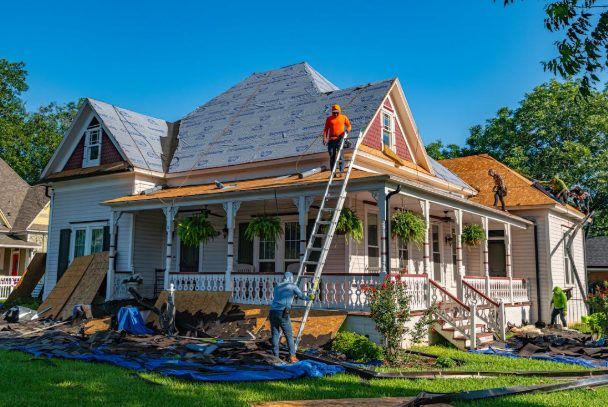
Common repairs include replacing damaged roofing, repairing walls and ceilings, and restoring flooring. It’s important to distinguish between temporary fixes and permanent solutions. While quick repairs can protect your home in the short term, long-lasting restoration ensures your home remains safe and stable.
Quality workmanship matters during this phase. Proper repairs not only improve the appearance of your home but also strengthen it against future weather events.
Preventing Future Weather Damage
After restoring your home, it’s a good idea to take steps to reduce the risk of future damage. While you can’t control the weather, you can make your home more resilient.
Regular maintenance is one of the most effective ways to protect your property. Check your roof, gutters, and siding for signs of wear and address small issues before they become major problems. Reinforcing vulnerable areas, such as windows and doors, can also help your home withstand strong winds.
Proper drainage is another key factor. Ensuring that water flows away from your home reduces the risk of flooding and foundation damage. Simple upgrades can go a long way in protecting your home over time.
Emotional Recovery and Moving Forward
Recovering from storm damage isn’t just about fixing your home. It’s also about handling the emotional impact. It can be stressful to see your living space disrupted and to deal with repairs and insurance claims.
Give yourself time to adjust and focus on one step at a time. Reaching out to family, friends, or neighbors can provide support during this process. You don’t have to handle everything alone.
As your home begins to come back together, you’ll start to feel a sense of normalcy again. Taking small steps forward can make the situation feel more manageable.
Recovering your home after severe weather damage may feel overwhelming at first, but with the right approach, it becomes much more manageable. By carefully assessing the damage, prioritizing safety, and taking quick action to prevent further issues, you can begin the restoration process with confidence.
Working with professionals, documenting damage, and making thoughtful repairs all play an important role in bringing your home back to life. Taking steps to protect your home in the future also helps you feel more prepared for whatever comes next.
With patience and the right support, you can restore not just your home, but also your peace of mind.


