



Introduction
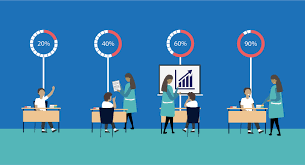
Assessment serves as the bridge connecting teaching and learning, providing essential information about student understanding and instructional effectiveness. Moving beyond assessment as merely a measurement tool, contemporary educators recognize assessment as an integral part of the learning process itself. When designed and implemented thoughtfully, assessment informs instructional decisions, provides feedback that advances learning, and helps students develop metacognitive awareness of their own growth. The challenge lies in creating assessment systems that accurately measure what matters most while supporting rather than interrupting learning. As education evolves to emphasize deeper learning and transferable skills, assessment practices must similarly evolve to capture the full range of student capabilities.
Balancing Formative and Summative Assessment
Formative assessment occurs during the learning process, providing ongoing feedback that helps both teachers and students adjust their approaches. These assessments might include exit tickets, quick checks for understanding, observations during group work, or analysis of student questions. The power of formative assessment lies in its immediacy—information gathered can inform the next day’s lesson or even adjustments within a single class period. Summative assessment occurs at the end of a learning period, evaluating what students have learned against established standards. While summative assessments like unit tests or final projects provide important accountability data, they offer limited opportunity for students to use feedback to improve. Effective assessment systems balance both types, using formative assessment to guide learning and summative assessment to evaluate outcomes. The key is ensuring formative assessment actually informs instruction rather than simply generating data that goes unused. Integration of tech tools enables efficient formative assessment through digital response systems, online quizzes with immediate feedback, and learning management systems that track student progress.
Creating Valid and Reliable Assessments
Assessment validity refers to whether an assessment actually measures what it claims to measure. A test might reliably produce consistent scores but lack validity if it measures memorization when the goal is critical thinking. Ensuring alignment between learning objectives, instruction, and assessment is essential for validity. If the objective involves analyzing complex texts but the assessment requires only recall of facts, the assessment lacks validity. Reliability refers to consistency—whether an assessment produces similar results under similar conditions. Clear rubrics, specific criteria, and calibration among evaluators increase reliability. Multiple measures provide more complete pictures of student learning than single assessments. Performance-based assessments where students demonstrate skills in authentic contexts often have high validity but can be challenging to score reliably. Written tests may be easier to score consistently but might not capture the full range of student capabilities. Balancing these considerations requires thoughtful assessment design that prioritizes measuring what truly matters while maintaining reasonable scoring efficiency.
Providing Actionable Feedback
Feedback transforms assessment from evaluation to learning opportunity, but only when it’s timely, specific, and actionable. Generic praise like “good job” or vague criticism like “needs improvement” provides little guidance for growth. Effective feedback identifies specific strengths, pinpoints areas needing development, and suggests concrete strategies for improvement. It focuses on the work rather than the student, maintaining a growth mindset orientation. Feedback is most powerful when students have opportunities to use it—revising work, attempting similar problems, or applying suggestions to new contexts. This requires building revision cycles into instruction rather than treating assignments as one-and-done events. Peer feedback, when students are taught to provide constructive criticism, develops both the giver’s and receiver’s understanding. Self-assessment using clear criteria helps students develop metacognitive awareness and take ownership of their learning. The timing of feedback matters significantly—immediate feedback helps with skill acquisition while slightly delayed feedback may promote better retention of conceptual understanding.
Using Assessment Data to Inform Instruction
Assessment generates valuable data that should drive instructional decisions at both individual and class levels. Analyzing patterns in student responses reveals common misconceptions that need addressing or concepts requiring reteaching. Item analysis of test questions identifies which items effectively discriminate between different levels of understanding and which might be poorly constructed. Tracking individual student progress over time reveals growth trajectories and identifies students needing intervention or enrichment. Disaggregating data by student subgroups can reveal equity issues requiring attention. However, data is only valuable when teachers have time to analyze it and autonomy to adjust instruction accordingly. Professional learning communities where teachers collaboratively examine student work and discuss instructional responses make assessment data more actionable. Technology tools can streamline data analysis, generating reports that highlight patterns and trends. The goal is creating responsive instruction that meets students where they are rather than rigidly following predetermined pacing guides regardless of student understanding.
Conclusion
Effective assessment practices transform evaluation from a judgment process to a learning tool that benefits both students and teachers. By balancing formative and summative approaches, ensuring validity and reliability, providing actionable feedback, and using data to inform instruction, educators create assessment systems that support rather than merely measure learning. As education continues evolving to emphasize deeper learning and transferable skills, assessment practices must similarly evolve to capture what truly matters. When assessment is integrated seamlessly into instruction and viewed as a tool for growth rather than simply accountability, it fulfills its potential to advance learning for all students.


