

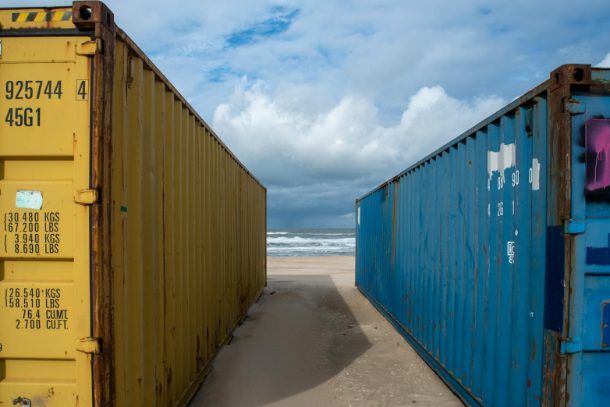
Growing a business often brings a problem to solve: you need more space. Inventory piles up, equipment takes over work areas, and renting or building new facilities quickly strains budgets. Many small and mid-sized businesses reach this stage faster than expected, especially during periods of growth or seasonal demand.
Shipping containers offer a practical solution that helps businesses expand without committing to long-term leases or expensive construction. They provide secure, flexible, and cost-effective space that adapts as the business evolves.
This article explains how shipping containers support growth, reduce overhead, and help businesses stay efficient while scaling.
Why Space Becomes a Costly Challenge for Growing Businesses
As businesses grow, space often becomes one of the first hidden expenses. More products, tools, and materials start to crowd existing areas, which can disrupt daily operations. Offices, warehouses, and job sites were rarely designed to handle sudden expansion. When space runs short, businesses may rush into renting larger facilities or signing long-term leases. These decisions can lock them into high monthly costs that limit cash flow and reduce flexibility. Poor space planning also leads to wasted time as employees navigate cluttered environments, which can slow productivity and affect overall efficiency.
Shipping Containers as a Smart Storage Investment
Shipping containers offer a practical way to gain storage without major financial commitments. When businesses choose to buy shipping containers, they invest in a solution that provides immediate value. Containers create secure storage for inventory, equipment, or seasonal supplies while remaining easy to manage. Unlike temporary storage units, owned containers remove recurring rental fees. This ownership model helps businesses control costs while keeping assets close to their operations. Containers also work across many industries, from construction to retail, making them a versatile option for companies at different growth stages.
Lower Upfront Costs Compared to Traditional Buildings
Traditional expansion often involves construction, permits, and long timelines, which quickly drive up expenses. Shipping containers offer a much lower upfront cost and require minimal preparation before use. Businesses can place them on-site and start using them within days rather than months. This faster setup supports growth without interrupting daily work. Containers also eliminate many hidden costs tied to building projects, such as contractor fees or extended downtime. For growing businesses, this cost efficiency helps preserve capital for other priorities like staffing or inventory.
Flexible Placement for On-Site or Off-Site Use
One of the biggest advantages of shipping containers is their flexibility. Businesses can place them directly on job sites, behind warehouses, or in unused areas of a property. This reduces the need to transport materials back and forth, which saves time and fuel costs. If business needs change, containers can be relocated with ease. This flexibility supports short-term projects as well as long-term growth. Businesses are not tied to one location or layout, which helps them adapt quickly to new opportunities or challenges.
Scalability That Matches Business Growth
Growth rarely happens at a steady pace. Demand can increase suddenly, especially during busy seasons or new contracts. Shipping containers allow businesses to scale storage space gradually instead of committing to large expansions upfront. Adding one container at a time helps match space needs with actual demand. This approach prevents overinvestment in unused facilities. Businesses stay agile while maintaining control over expenses. Containers also support future adjustments, making it easier to respond to market changes without disrupting operations.
Reduced Operating and Maintenance Expenses
Keeping operating costs low becomes more important as a business expands. Shipping containers help reduce ongoing expenses because they require very little maintenance. Their steel structure holds up well against daily wear, weather changes, and heavy use. Businesses do not need to worry about frequent repairs, repainting, or structural issues that often come with traditional buildings. There are also no utility costs unless the container is modified with lighting or climate control. This simplicity helps businesses allocate funds toward growth activities instead of facility upkeep.
Improved Organization and Workflow
A lack of organized storage can slow down even the most efficient teams. Shipping containers create dedicated spaces that help businesses store inventory and equipment in an orderly way. With items stored properly, employees spend less time searching for tools or materials. This improves workflow and reduces unnecessary delays. Clear storage areas also make it easier to track inventory levels, which supports better planning and fewer shortages. Over time, improved organization leads to smoother operations and more consistent output.
Secure Storage for Valuable Assets
Security remains a major concern for growing businesses, especially when dealing with high-value equipment or products. Shipping containers provide strong protection due to their solid steel construction. When equipped with proper locking systems, they help reduce the risk of theft or unauthorized access. This level of security proves useful on job sites, storage yards, and commercial properties. Businesses gain peace of mind knowing their assets remain protected without investing in complex security systems or additional buildings.
Customization Options Without High Costs
Shipping containers offer flexibility beyond basic storage. Businesses can modify them to suit specific needs without taking on large expenses. Shelving, lighting, and ventilation can improve usability while keeping costs manageable. Some businesses use containers as workshops, temporary offices, or inventory rooms. These changes support better use of space while avoiding the costs of permanent construction. Customization also allows businesses to adapt containers as needs evolve, which adds long-term value to the investment.
Long-Term Value and Business Resilience
Shipping containers support resilience by giving businesses a reliable asset that remains useful across different stages of growth. When business demands shift, containers can be repurposed, relocated, or sold. Their durability ensures long service life, even under heavy use. This flexibility helps businesses respond to market changes without being tied to fixed infrastructure. Containers also support emergency storage needs during busy periods or supply changes, helping businesses stay prepared without overextending resources.
Choosing practical solutions often determines how well a business handles growth and change. Shipping containers give businesses control over space, costs, and security while supporting adaptability. Instead of locking into rigid expansion plans, companies gain an option that evolves alongside their operations. This approach encourages smarter decision-making and stronger foundations for future opportunities, helping businesses grow with confidence and stability.
