



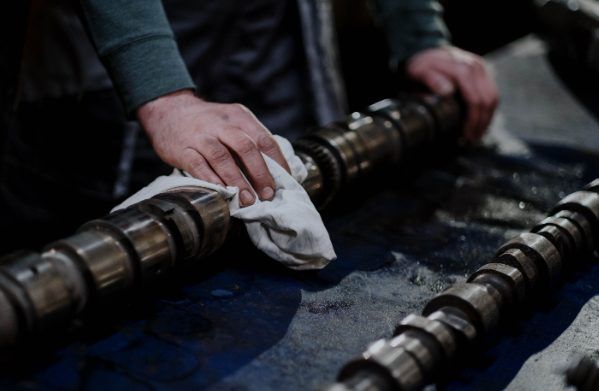
There is never a convenient time for equipment to stop working. It usually happens during a busy shift, when orders are backing up, deadlines are getting closer, and nobody has spare time to deal with an unexpected breakdown. Most business owners have faced some version of this problem, and it rarely stays small for long.
Many companies treat maintenance as something to think about later. It often gets pushed aside until a problem becomes impossible to ignore. The issue is that reactive decisions usually cost more, create more disruption, and make long-term growth harder to sustain.
Planning Ahead Reduces Costly Interruptions
One of the biggest advantages of preventive maintenance is that it allows businesses to address small problems before they become major failures. Equipment naturally experiences wear over time. Components loosen, fluids degrade, and parts gradually become less effective. None of this is surprising. What causes problems is waiting until those issues develop into breakdowns.
Organizations that rely on machinery, vehicles, or material handling equipment often build maintenance schedules around manufacturer recommendations and operational demands. Regular inspections, replacement parts, and routine servicing help reduce the likelihood of unexpected downtime. For companies managing specialized equipment, having access to reliable parts and components suppliers like Intella Parts Company is crucial. You can click here to find out more information about what the company has to offer and how having a supplier like this on board can benefit your business.
Strong maintenance planning is rarely about avoiding every problem. It is about reducing surprises, improving reliability, and giving teams more control over daily operations. Over time, that consistency helps businesses operate more efficiently, allocate resources more effectively, and stay focused on growth rather than unexpected disruptions.
Small Repairs Often Prevent Larger Expenses
Business growth depends on controlling costs as much as increasing revenue. Preventive maintenance supports that goal because smaller repairs are usually less expensive than major replacements. A worn component that costs a modest amount to replace can eventually damage surrounding systems if ignored. What starts as a routine maintenance issue may turn into a significant repair project that affects budgets and operations at the same time.
This pattern appears across industries. Manufacturing facilities, distribution centers, construction companies, and transportation providers all experience similar challenges. The equipment may differ, but the underlying issue remains the same. Delayed maintenance often leads to higher costs. Many businesses learn this lesson after experiencing an expensive breakdown. The repair invoice becomes one problem. Lost productivity becomes another.
Reliability Supports Customer Expectations
Consumer expectations have changed over the years. Customers expect products to arrive on time, services to be delivered as promised, and businesses to operate efficiently. They rarely think about the equipment behind those outcomes.
That creates an interesting challenge. Customers may never notice when equipment performs properly, but they often notice when it does not. A delayed shipment, missed deadline, or interrupted service can affect customer confidence. Even if the problem was caused by a mechanical failure, customers usually focus on the result rather than the explanation.
Preventive maintenance helps reduce these risks by improving reliability. When equipment operates consistently, businesses are better positioned to meet commitments and maintain service standards. Reliability may not always attract attention, but it helps protect relationships that have taken years to build.
Maintenance Helps Extend Equipment Life
Most organizations invest substantial amounts of money in equipment. Whether it is industrial machinery, vehicles, forklifts, or specialized tools, those assets represent significant business investments. Naturally, companies want those investments to last as long as possible. Preventive maintenance helps achieve that objective by reducing unnecessary wear and addressing problems before they accelerate.
Equipment that receives regular care often remains productive longer than equipment that operates without consistent maintenance. This does not eliminate aging or eventual replacement needs. Everything has a lifespan. The goal is simply to maximize value throughout that lifespan. Business leaders often focus on acquiring new assets. Sometimes, equal attention should be given to protecting existing ones.
Workplace Safety Benefits as Well
Maintenance discussions often focus on costs and productivity, but safety deserves attention too. Faulty equipment can create hazards for employees. Worn brakes, damaged components, fluid leaks, and electrical issues increase operational risks. Even seemingly minor defects may contribute to accidents under the wrong circumstances.
Regular inspections help identify concerns before they affect worker safety. In many organizations, maintenance programs are closely connected to broader safety initiatives because the two areas naturally overlap.
A safer workplace tends to produce additional benefits. Employees feel more confident using equipment that is maintained properly. Operational disruptions may decrease. Insurance-related costs may be reduced in some situations as well. The relationship between maintenance and safety is not always obvious at first, but it becomes clearer over time.
Better Planning Supports Business Growth
Growth often creates additional pressure on equipment and operational systems. More customers, higher production levels, and expanded services all increase demand. Businesses that already have maintenance processes in place are generally better prepared for this growth. Equipment performance can be monitored more effectively, service schedules can be adjusted as workloads change, and potential issues can be addressed before they affect larger operations.
Without planning, growth sometimes exposes weaknesses that previously went unnoticed. Equipment that handled moderate demand may struggle under increased workloads if maintenance has been neglected. Preventive maintenance creates structure. It provides information about asset condition, expected service needs, and future replacement planning. Those insights help business leaders make more informed decisions.
Creating a Long-Term Mindset
One challenge with preventive maintenance is that its success often goes unnoticed. When everything works properly, there is no dramatic event to celebrate. No emergency repair was needed. No major disruption occurred. That can make maintenance feel less urgent than other business priorities.
Yet many successful organizations view maintenance differently. They see it as part of long-term planning rather than a short-term expense. The goal is not simply fixing equipment. The goal is to support reliable operations, control costs, improve safety, and protect future growth opportunities.
Businesses grow through consistent performance over time. Preventive maintenance may not be the most visible part of that process, but it often plays a larger role than people realize. When equipment remains reliable, and operations stay productive, growth becomes easier to sustain, even as demands continue to increase.


