



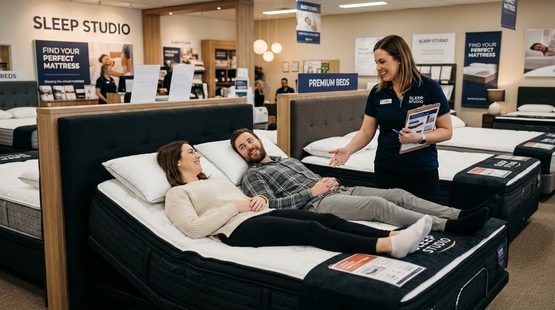
How Red Deer professionals can narrow their options, compare support needs, and choose a mattress with more confidence.
Mattress shopping can feel simple until the options start piling up. Firm, plush, hybrid, foam, cooling layers, pillow tops, motion isolation, delivery timelines, trial periods, and warranties can make the decision harder than expected.
For busy professionals in Red Deer, the goal is not to spend weeks comparing every possible mattress. The goal is to choose a mattress that supports better sleep, fits the room, works with daily routines, and feels like a practical purchase. A clearer process can reduce second-guessing and help shoppers focus on what matters most.
Start With the Sleep Problem You Are Trying to Solve
Before comparing brands or materials, it helps to identify why the current mattress is no longer working. Is it causing stiffness in the morning? Does it feel too warm? Does one side sag? Is motion from a partner interrupting sleep? Are you waking up tired even after spending enough time in bed?
These questions matter because a mattress should be matched to the problem, not just the showroom feel. A mattress that feels comfortable for five minutes may not provide the right support through a full night of sleep.
Sleep quality also has a direct effect on workday performance. The National Heart, Lung, and Blood Institute notes that sleep supports brain function, physical health, and daily performance. When sleep is inconsistent, concentration, decision-making, and energy can be affected. That makes mattress shopping less about comfort alone and more about choosing a foundation for healthier routines.
Match Mattress Support to Sleep Position
One of the most common shopping mistakes is choosing a mattress based only on firmness labels. Terms like soft, medium, and firm are useful starting points, but they do not tell the full story. Support depends on sleep position, body weight, mattress construction, and personal comfort preference.
Side sleepers often look for enough cushioning around the shoulders and hips while still needing support through the lower back. Back sleepers may need a surface that keeps the spine supported without feeling rigid. Stomach sleepers often require a mattress that helps reduce excessive sinking through the midsection.
People comparing a Red Deer mattress resource can use it as a starting point to review different mattress styles, comfort levels, and support options before visiting a store or narrowing a shortlist. The key is to compare options based on how the mattress supports the body overnight, not only how it feels at first contact.
For couples, support can be more complex. One person may prefer a softer surface while the other needs a firmer feel. In that case, motion isolation, edge support, mattress size, and hybrid construction may become more important than firmness alone.
Think About Pressure Relief and Spinal Alignment Together
A mattress should offer both comfort and support. Comfort helps reduce pressure on sensitive areas such as shoulders, hips, and knees. Support helps keep the body in a more natural position through the night. When one is missing, sleep can suffer.
The MedlinePlus guidance on back pain notes that sleep position and support can affect comfort for people dealing with back issues. While a mattress is not a treatment for every ache or injury, poor support can make it harder to rest comfortably.
A practical way to compare mattresses is to pay attention to alignment. When lying on a mattress, the body should feel supported without sharp pressure points. If the hips sink too far, the lower back may feel strained. If the surface is too firm, the shoulders or hips may feel compressed. The right balance depends on the individual, which is why testing different comfort levels can be useful.
Professionals who spend long hours sitting, driving, or working at a desk may be especially aware of back, neck, or shoulder tension. A supportive mattress can be one part of a broader routine that includes movement, posture awareness, and consistent sleep habits.
Reduce Buyer’s Remorse With Practical Checks
A mattress is used every night, so the decision should be made with more than price in mind. Cost matters, but value also includes durability, comfort, warranty details, delivery options, and whether the mattress suits the room and sleeper.
Before buying, shoppers should measure the bedroom, check the bed frame or foundation, and confirm hallway or stair access for delivery. A mattress that fits the budget but creates delivery problems can add avoidable stress.
It also helps to ask clear questions: What type of foundation is required? What does the warranty cover? How should the mattress be rotated or maintained? Are there comfort exchange terms? How long should it take to adjust to a new mattress?
These questions are especially useful for professionals with limited time. Clear answers can prevent follow-up problems and make the purchase feel more manageable.
Plan Delivery and Setup Before Purchase
Delivery and setup can be easy to overlook during the shopping process. However, logistics matter, especially for people balancing work schedules, shared housing, or condo access.
Before committing, confirm whether the old mattress needs to be removed, whether elevators or tight staircases are involved, and whether someone needs to be home during delivery. Clearing the room ahead of time can make setup smoother and reduce delays.
It is also worth preparing the sleep environment before the mattress arrives. Fresh bedding, a supportive pillow, a clean foundation, and a room that is cool, dark, and quiet can all help support better sleep habits. The mattress matters, but the surrounding environment also plays a role.
Conclusion
Choosing a mattress does not need to feel overwhelming. Red Deer professionals can make the process easier by starting with the sleep problem, comparing support needs, asking practical questions, and planning delivery before purchase. A focused approach helps reduce buyer’s remorse and makes it easier to choose a mattress that supports comfort, rest, and daily performance.
Additional Resources
For readers comparing Canadian-made mattress options, this resource on Springwall mattress selections can provide more context on available styles and support features.


