



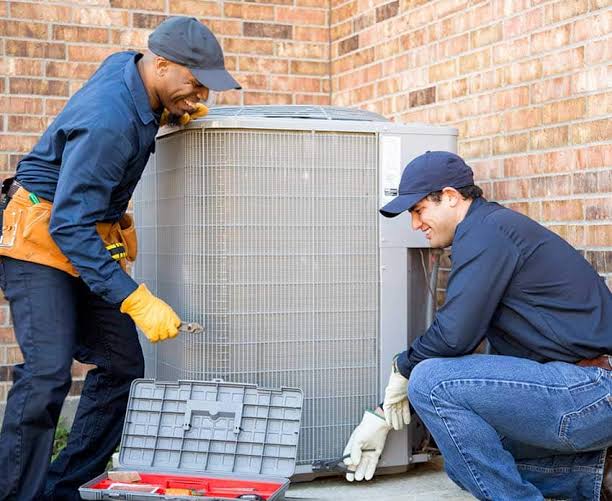
In Sarasota, air conditioning is more than a convenience—it is an essential part of maintaining comfort throughout the year. With high temperatures and persistent humidity, homeowners rely heavily on their cooling systems to create a pleasant indoor environment. When an aging or inefficient unit begins to struggle, installing a new air conditioning system often becomes the best solution. However, many homeowners are uncertain about what the installation process involves and how to prepare for it. Understanding each stage of the project can help reduce stress and ensure a smoother experience. Homeowners who have worked with an AC company Venice often discover that proper planning and realistic expectations make the transition to a new cooling system much easier. Knowing what to expect before, during, and after installation allows homeowners to make informed decisions and enjoy the full benefits of their investment.
Understanding When AC Replacement Becomes Necessary
Before installation begins, homeowners must determine whether replacement is truly needed.
While repairs can often resolve minor problems, there comes a point when continuing to repair an aging system becomes less practical. Frequent breakdowns, rising energy bills, uneven cooling, excessive noise, and declining performance are common indicators that replacement may be the better option.
Older systems often struggle to maintain comfort during Sarasota’s hottest months. In addition, outdated equipment may operate less efficiently than modern alternatives, resulting in higher operating costs.
Recognizing these warning signs early allows homeowners to begin planning for installation before a complete system failure occurs.
The Initial Consultation Process
The installation journey typically begins with a professional consultation.
During this stage, technicians evaluate the home’s cooling needs and assess the condition of the existing system. Factors such as square footage, insulation levels, window placement, ceiling height, and household occupancy are often reviewed.
This evaluation helps determine which type of air conditioning system is most appropriate for the property. The goal is to ensure that the new equipment can provide efficient and consistent cooling throughout the home.
Homeowners should use this opportunity to ask questions about available options, efficiency ratings, warranties, and expected project timelines.
Choosing the Right Air Conditioning System
Selecting the appropriate system is one of the most important parts of the installation process.
Air conditioners are available in various sizes and efficiency levels. Choosing the correct capacity ensures that the system can effectively cool the home without wasting energy or causing performance issues.
An oversized unit may cool too quickly without adequately removing humidity, while an undersized unit may struggle to maintain comfortable temperatures. Proper sizing is essential for maximizing comfort, efficiency, and equipment lifespan.
Homeowners should carefully consider long-term energy savings, comfort preferences, and budget when selecting a system.
Understanding Energy Efficiency Ratings
Energy efficiency has become a major consideration for modern homeowners.
Today’s air conditioning systems are designed to consume less energy while delivering improved performance. Higher-efficiency models may require a larger initial investment, but they often provide lower monthly utility costs over time.
Efficiency ratings help homeowners compare available systems and evaluate potential long-term savings. Understanding these ratings can make it easier to select equipment that aligns with both comfort goals and financial objectives.
In Sarasota’s warm climate, energy-efficient cooling systems can provide significant benefits throughout the year.
Preparing the Home for Installation
Once the new system has been selected, preparation for installation begins.
Homeowners may need to clear access to indoor and outdoor work areas to allow technicians to move equipment safely and efficiently. This can involve relocating furniture, removing obstacles, and ensuring that pets are secured during the project.
Technicians may also inspect electrical systems, ductwork, and other components before installation begins.
Proper preparation helps minimize delays and allows the installation team to complete the project more efficiently.
Removal of Existing Equipment
One of the first physical steps in the installation process involves removing the old system.
Technicians carefully disconnect and remove outdated components, including the indoor and outdoor units. This process may also involve disposing of refrigerants according to environmental regulations and safety standards.
Removing old equipment creates space for the new system and allows technicians to inspect surrounding components for potential concerns.
The removal process is typically completed efficiently while minimizing disruption to the household.
Evaluating Ductwork and Air Distribution
The condition of the home’s ductwork can significantly influence the performance of a new air conditioning system.
During installation, technicians may inspect ducts for leaks, damage, blockages, or inefficiencies. Problems within the duct system can reduce airflow and limit overall efficiency.
In some cases, repairs or modifications may be recommended to improve air distribution throughout the home. Addressing these issues during installation helps maximize the performance of the new equipment.
Proper airflow contributes directly to comfort, energy efficiency, and indoor air quality.
Installing the New System
After preparation and equipment removal, installation of the new system begins.
Technicians position the indoor and outdoor components, connect refrigerant lines, establish electrical connections, and integrate the system with existing ductwork and thermostats. Every connection must be completed according to manufacturer specifications and local building requirements.
Precision is critical during this stage because proper installation directly affects system performance and reliability.
Professional installation helps ensure that the equipment operates safely and efficiently from the very beginning.
Thermostat Integration and Controls
Modern air conditioning systems often include advanced thermostat options.
During installation, technicians configure the thermostat and ensure that it communicates properly with the new equipment. Many homeowners choose programmable or smart thermostats that provide greater control over cooling schedules and energy usage.
These technologies can improve convenience while helping reduce unnecessary energy consumption.
Learning how to operate the thermostat effectively allows homeowners to maximize comfort and efficiency.
System Testing and Performance Verification
Before the installation is considered complete, technicians perform extensive testing.
The system is evaluated to confirm proper airflow, refrigerant levels, temperature control, electrical operation, and overall performance. Any adjustments needed to optimize efficiency or comfort are completed at this stage.
Testing helps identify potential issues before the system enters regular operation. It also ensures that the equipment meets performance expectations and manufacturer guidelines.
Thorough verification contributes to long-term reliability and customer satisfaction.
What Homeowners Can Expect After Installation
Once installation is complete, homeowners may notice several immediate improvements.
New air conditioning systems often provide more consistent temperatures, improved humidity control, quieter operation, and enhanced energy efficiency. These benefits can significantly improve indoor comfort, especially during Sarasota’s hottest months.
Many homeowners also experience greater peace of mind knowing that their system is less likely to suffer unexpected breakdowns.
The transition to a new cooling system often delivers both immediate and long-term advantages.
Learning Basic Maintenance Requirements
Installation is only the beginning of the ownership experience.
To maintain performance and efficiency, homeowners should understand basic maintenance requirements. Regular filter replacement, periodic inspections, and routine professional servicing help protect the system from premature wear.
Technicians often provide maintenance recommendations during the installation process and explain how to recognize signs of potential issues.
Following these guidelines helps maximize equipment lifespan and maintain consistent comfort.
The Importance of Professional Maintenance
Ongoing maintenance remains essential even after a successful installation.
Professional tune-ups allow technicians to inspect system components, clean critical areas, verify performance, and address minor issues before they become major problems. Regular maintenance helps preserve energy efficiency and reduce the likelihood of unexpected repairs.
Homeowners who prioritize preventive care often enjoy lower operating costs and more dependable system performance.
Routine service is a valuable investment that protects the overall value of the air conditioning system.
Long-Term Benefits of a New AC System
A properly installed air conditioning system offers benefits that extend far beyond immediate comfort.
Improved efficiency can help reduce monthly utility expenses, while modern technology enhances convenience and control. Better humidity management contributes to a healthier indoor environment, and reliable operation minimizes disruptions during extreme weather.
These advantages make a new air conditioning system an important long-term investment for many Sarasota homeowners.
With proper care and maintenance, the system can provide years of dependable cooling performance.
Conclusion
Installing a new air conditioning system is a significant project, but understanding the process helps homeowners approach it with confidence. From the initial consultation and equipment selection to installation, testing, and ongoing maintenance, each step plays a vital role in ensuring long-term comfort and efficiency. Sarasota homeowners can expect improved cooling performance, enhanced energy savings, better humidity control, and increased reliability from a properly installed system. By preparing for the installation process and working with qualified professionals, homeowners can enjoy a smoother experience and maximize the value of their investment for many years to come.


