

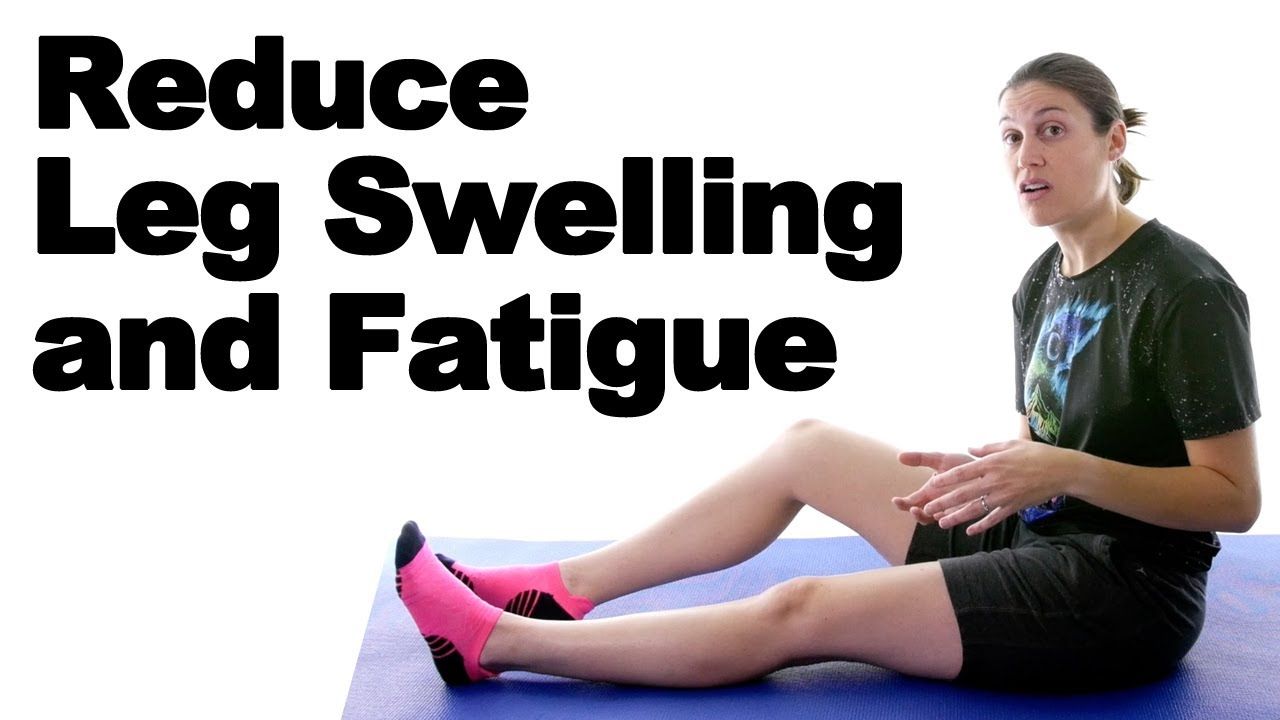
Pitting oedema is a normal complication among most patients, especially individuals with restricted movements or prolonged illnesses. The condition may result in discomfort, pain, and even more severe complications in case of no intervention. It is essential to learn how to decrease swelling to keep the situation comfortable, increase circulation, and have overall good health. Using the right strategies, people are able to cope with swelling and improve their everyday living.
Understanding the Causes of Swelling
Edema or swelling is a possible occurrence caused by sitting or standing too long, low circulation or even medical conditions. Individuals who lack mobility tend to develop fluid retention in their lower extremities particularly. It is important to learn the reasons why swelling exists in order to implement effective measures. The accumulation of blood and fluids on the legs puts strain and may cause pains and rigidness.
Heart disease, kidney problems and some drugs are some medical conditions that can cause swelling. By understanding the causes it is possible to target the efforts of an individual in the most efficient way. Also, persistent swelling should be discussed with a healthcare professional in order to exclude severe complications.
The Advantages of Swelling Reduction
Education on how to lower swelling can contribute greatly to daytime comfort and mobility. Novation of the fluid decreases the pressure on legs and feet and this may make it easier to walk, stand and sit comfortably. Individuals with poor mobility usually use medical lift chairs to assume a good position and dealing with swelling can make these chairs more efficient.
The control of swelling also enhances health in the long run by providing an increase in circulation. Normal circulation will help to avoid risk of blood clots, skin breakdown and infections. The active lives can also be made possible by people by practicing the methods that can specifically focus on the swelling and avoiding the development of these complications.
Swelling Techniques
Swelling is usually managed using techniques that include positioning, light exercises, and compression measures. Sitting or lying with the legs higher than the level of the heart assists in the movement of the fluids against the lower extremities. In case of patients occupying the hospital beds, it may be particularly beneficial to change the angle of the bed such that it makes the leg elevation possible. Light rotations of the ankle and stretching of the legs stimulates circulation and deceleration of fluid retention.
Another effective way of managing swelling is compression stocking or compression socks. These give regular pressure which stimulates blood circulation and keeps off stagnation of fluid. Compression garments should also be well-fitted as a way of being comfortable and effective. There are various methods that may be combined in order to achieve optimal outcomes among people with chronic swelling.
Lifestyle Adjustments for Swelling Prevention
The lifestyle choices are important in the prevention and reduction of swelling. Fluid retention can be affected by staying hydrated, keeping weight normal, and intake of salt. Frequent movements, even short walks or sitting exercises, promote circulation and prevent the accumulation of fluid in the legs and feet.
The consistency of these lifestyle changes is essential to the success in the long run. Small day to day activities to individuals who are not very mobile can mean a lot. The collaboration with healthcare providers to create a sustainable plan will help to avoid swelling in an unsafe way and contribute to health in general.
When to Seek Professional Help
Although the methods of preventing swelling may be extremely effective, one has to understand when to ask a doctor. Acute or acute swelling can be a sign of a severe underlying condition that needs to be treated immediately. A professional should also assess persistent swelling which does not respond to self-care measures.
Some of the ways through which healthcare givers can offer assistance in the containment of swelling is through medical interventions, alterations of mobility equipment, or additional treatment. Early intervention not only prevents pain but also prevents complications which can interfere with daily living. Preventive service is positive in maintaining the independence of people and enhancing the general quality of life.
The decrease of swelling is a significant measure to prevent the lack of comfort, mobility, and health. Through training on the best practices, including leg raising, light exercises, and compression, people will have opportunities to control the accumulation of fluids and avoid complications. The strategies are complemented by healthy lifestyle habits and effective utilization of mobility supports such as medical lift chairs or hospital beds, which add to the effectiveness even more. Proactive efforts to deal with swelling, in addition to enhancing daily comfort, helps in long-term autonomy and health.
