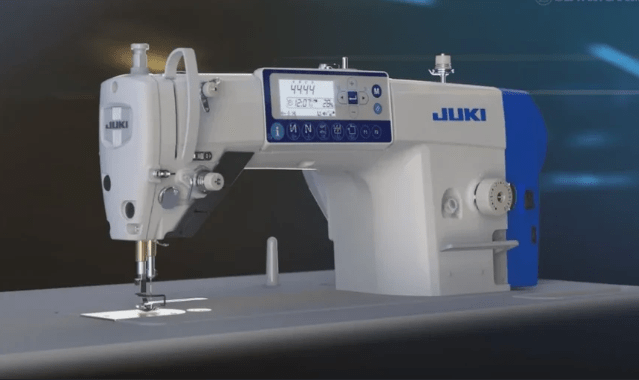
Sewing has quietly become one of the most talked-about hobbies of the past few years. What was once considered a skill belonging to a previous generation is now being picked up by millennials, entrepreneurs, and creatives who are discovering its practical and financial potential. From home-based alterations to full-scale garment businesses, the needle and thread are back in style and proving they never really left.
The Rise of Sewing as a Meaningful Hobby
People today are looking for ways to disconnect from screens and engage in something tangible. Sewing fits that need perfectly. It requires focus, problem-solving, and patience, all of which can be meditative qualities in a world saturated with noise. Learning to sew also creates a sense of accomplishment that is hard to replicate with digital activities. You end up with something physical: a garment, a quilt, a repaired piece of clothing that might otherwise have been thrown away.
The pandemic era accelerated interest in home crafts significantly. Many people who started sewing as a quarantine activity stuck with it long after restrictions lifted, discovering it was genuinely enjoyable and cost-effective. The broader “slow fashion” movement has also fueled interest, as more people want to understand how clothes are made and invest in quality rather than cheap, disposable items.
From Hobby to Side Hustle
Here is where things get interesting from a business perspective. Sewing is one of the few hobbies that can realistically generate income without a major upfront investment. Custom alterations, clothing repairs, handmade accessories, and upcycled garments are all in demand. Platforms like Etsy and Instagram have made it easier than ever for hobbyists to turn their craft into a small business.
The key to scaling a sewing side hustle lies in reliability of your tools. A machine that breaks down mid-project or produces inconsistent stitching will cost you time and clients. This is one reason many serious sewists turn to vintage Singer models, which are celebrated for their durability and precision. When those machines need upkeep, sourcing replacement components from a trusted supplier like Vintage Singer Parts ensures the machine stays operational without having to invest in a brand-new unit.
Choosing the Right Machine
For beginners, a basic mechanical machine is usually enough. But as skills grow, so does the need for a machine that can handle heavier fabrics, more intricate stitches, and longer work sessions. Many intermediate and advanced sewists find that older Singer machines, particularly those made between the 1940s and 1970s, outperform modern plastic alternatives in terms of build quality and longevity.
Maintaining these machines does require some knowledge. Periodic oiling, cleaning the bobbin area, and replacing worn parts are all part of ownership. The good news is that parts are widely available and the online sewing community is generous with guidance.
The Financial Case for Sewing
Beyond the hobby and side hustle angle, there is a genuine financial argument for learning to sew. The average American family spends hundreds of dollars annually on clothing repairs and alterations. A person who knows how to hem trousers, replace a zipper, or take in a shirt can save that money entirely. Over years, this adds up to a meaningful amount.
For small fashion businesses and boutiques, having in-house sewing capability also reduces reliance on third-party tailors, improving margins and turnaround times.
Frequently Asked Questions
Is sewing a good hobby for adults who have never tried it before? Absolutely. Most people can learn basic sewing skills within a few weeks of practice. Many community centers and online platforms offer beginner courses, and starter machines are affordable.
What type of sewing machine is best for a beginner? A basic mechanical machine with standard stitch options is ideal for beginners. As your skills develop, you may want to upgrade to a more capable model.
Are vintage sewing machines worth buying? Yes, especially for those who want durability. Vintage Singer machines in particular are known for lasting decades with proper maintenance.
How do I find parts for an older sewing machine? Specialty retailers stock components for a wide range of vintage models. Searching for the specific model number along with the part needed usually yields results quickly.
Can sewing actually make money? Yes. Custom alterations, handmade goods, and repair services are all viable income streams for skilled sewists, particularly through online marketplaces.