



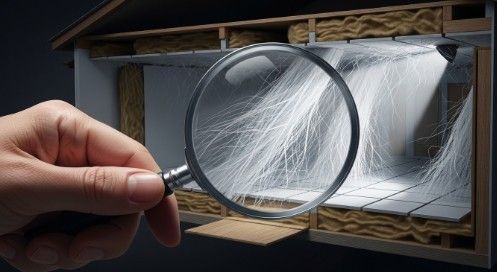
Key Highlights
- An asbestos inspection is crucial for property owners to identify asbestos-containing materials (ACMs) before renovation or demolition.
- The process involves a visual assessment, sample collection, and laboratory analysis to confirm the presence of asbestos fibers.
- Property owners need an asbestos survey to comply with legal obligations and prevent serious health risks associated with asbestos exposure.
- Only a certified asbestos inspector should perform the inspection to ensure accuracy and safety.
- If asbestos is found, an asbestos removal plan must be developed to manage or safely remove the hazardous materials.
Introduction
As a property owner, safety and compliance are paramount. If your building predates the asbestos ban, it may contain hidden risks. Disturbed asbestos fibers pose serious health hazards. An asbestos inspection is the only way to confirm its presence, protect occupants, and prevent legal issues. This guide covers everything you need to know about the process.
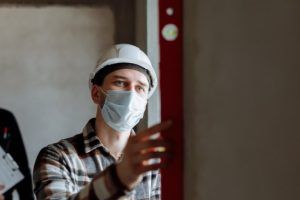

An asbestos inspection is a thorough assessment to identify asbestos-containing materials in your property. It’s essential for safe renovations, demolition, or ongoing management by clarifying potential risks.
The process starts with a visual check, followed by detailed testing. Suspect materials are sampled and analyzed to confirm asbestos and determine its type—crucial for planning proper abatement.
Step-by-Step Guide to an Asbestos Inspection
Understanding the asbestos inspection process helps you know what to expect. A qualified professional uses a structured approach to ensure thoroughness and accurate data collection.
The process starts with a comprehensive site review and visual inspection to identify materials that may contain asbestos. The inspector then collects samples from these materials, aiming to be as non-intrusive as possible.
A typical inspection includes:
- Site Walk-Through: Survey of all accessible areas.
- Document Review: Examination of any existing asbestos records or building plans.
- Sample Collection: Careful removal of small samples from suspect materials.
- Laboratory Analysis: Samples are tested at an accredited lab.
- Detailed Report: You receive a report outlining the findings, including the location and condition of any asbestos-containing materials.
Visual Assessments, Testing, and Laboratory Analysis
The inspection begins with a visual assessment, where a certified inspector identifies materials that may contain asbestos, such as insulation, floor tiles, and ceiling panels. The condition of these materials is also checked, since damaged items are more likely to release fibers.
Next, the inspector carefully collects samples of any suspect materials. This is done precisely to limit disturbance and prevent asbestos fibers from becoming airborne. Each sample is sealed and labeled for tracking.
Finally, the samples are sent to a lab for analysis. Using methods like polarized light microscopy, scientists confirm the presence and type of asbestos—crucial details for planning safe management or removal.
Why Property Owners Need an Asbestos Inspection
For property owners, scheduling an asbestos inspection is a vital responsibility. Asbestos exposure poses serious health risks, including lung cancer and other respiratory diseases. Ignoring inspections can endanger tenants, workers, and visitors.
Inspections are also often legally required before renovation or demolition. Identifying asbestos ensures regulatory compliance, protects health, and safeguards your investment.
Reasons for Scheduling an Asbestos Inspection Before Renovations
Planning a renovation or demolition? Make an asbestos inspection your first step. Disturbing materials that may contain asbestos can release harmful fibers, posing serious health risks.
Activities like cutting, drilling, or sanding can turn stable asbestos into a hazard. An inspection identifies these risks early so you can take proper safety measures or arrange for professional removal—a crucial step for a safe project.
Key reasons to inspect before renovating:
- Protect Health: Prevents exposure to dangerous asbestos fibers.
- Stay Compliant: Meets all legal requirements.
- Avoid Delays and Costs: Prevents unexpected work stoppages and expenses.
- Plan Safe Removal: Ensures proper abatement if needed.
Legal Requirements for Asbestos Inspections in Australia
In Australia, asbestos is regulated under the Work Health and Safety Act 2011, overseen by Safe Work Australia. Inspections are required before demolition or renovation to identify asbestos-containing materials. If present, they must be recorded in an asbestos register and managed properly. Non-compliance can result in penalties and serious health risks such as Mesothelioma.
Local Regulations for Asbestos Inspection in Melbourne and Other Areas
While national laws set baseline requirements in Australia, regulations are enforced at the state level. Property owners and employers should check with their local regulator to ensure compliance.
For example, in Melbourne, asbestos regulations are overseen by WorkSafe Victoria, which requires inspections and proper management before renovation or demolition. Requirements can vary across regions.
Compliance Standards for Property Owners
As a property owner, compliance with asbestos regulations is essential. These rules cover everything from inspection to disposal and require strict work practices to prevent fiber release during renovations or abatement.
Non-compliance can result in stop-work orders, heavy fines, or even criminal charges, highlighting the serious health risks of asbestos and your legal responsibility to protect public safety.
Start by scheduling a professional asbestos inspection. The resulting report documents your due diligence and guides your asbestos management plan, ensuring safe abatement and ongoing compliance.
Who Should Perform an Asbestos Inspection?
Only a qualified, certified asbestos inspector should perform an asbestos inspection. These professionals are trained to safely identify asbestos-containing materials, collect samples properly, and interpret lab results.
Hiring an uncertified person risks inaccurate assessments, potential exposure, and unnecessary costs. Certified inspectors follow safety protocols and legal standards for reliable results.
Qualifications and Certifications of Asbestos Inspectors
Certification titles vary by state but often include “Certified Asbestos Inspector” or “Asbestos Consultant.” These credentials ensure the inspector knows health risks and follows strict safety protocols to prevent contamination.
Always ask to see current certifications when choosing an inspector. A reputable professional will provide proof, ensuring your property is inspected reliably and compliantly.
Choosing a Licensed Asbestos Inspection Company
Choosing the right company for your asbestos inspection is as important as the inspection itself. Select a licensed, experienced firm with a strong safety record and proven expertise in hazardous materials. A reputable company will follow industry best practices and prioritize your safety.
Start by researching local companies and verifying their credentials. Ask for client references and review their safety history. An initial consultation can help you assess their professionalism. Avoid firms that offer both inspection and asbestos removal, as this poses a conflict of interest.
Key considerations:
- Licensing and Certification: Ensure the company and inspectors are fully licensed and certified in your state.
- Experience: Look for experience with properties like yours.
- Accredited Laboratory: Confirm they use a NATA-accredited or equivalent lab for testing.
- Insurance: Verify they have liability insurance covering asbestos-related work.
Conclusion
In conclusion, understanding the asbestos inspection process is essential for property owners to protect their homes and meet legal requirements. Proactively scheduling an inspection safeguards your investment and prioritizes everyone’s health and safety. This guide covers key signs to look for and what to expect from a qualified inspector. Don’t wait—take action today for a safer environment. For questions or a free consultation, contact our expert team.
Frequently Asked Questions
What are the signs that indicate I need an asbestos inspection for my property?
The most common sign is the age of your property; older homes and buildings constructed before the 2004 ban are at high risk. You should also schedule an inspection if you find damaged or deteriorating building materials like old floor tiles, ceiling tiles, or pipe insulation, especially before a renovation.
How can I find a qualified professional to conduct an asbestos inspection?
To find a qualified professional for an asbestos inspection, start by searching for a certified asbestos inspector or a licensed asbestos abatement contractor in your area. It’s essential to choose a qualified asbestos inspection professional, such as HSE Australia, who can verify their credentials and experience. Additionally, ensure that they provide detailed inspection reports and certifications that align with national safety standards.


