



Introduction to Personal Loans
Personal loans are a popular financial product that many individuals consider when seeking funds for a variety of purposes. These loans provide a fixed amount of money that borrowers repay over a set period, usually with interest. Unlike mortgages or car loans, personal loans are typically unsecured, meaning they do not require collateral, making them accessible to a broad range of applicants. Understanding personal loans is essential to make informed decisions and manage finances effectively.
What Are Personal Loans?
Personal loans are sums of money lent by financial institutions that borrowers agree to repay in regular instalments. They are generally used to cover unexpected expenses, consolidate debt, finance large purchases, or fund home improvements. The amount borrowed, interest rates, and repayment terms vary among lenders, but personal loans offer predictable repayment schedules and fixed interest rates.
Benefits of Personal Loans
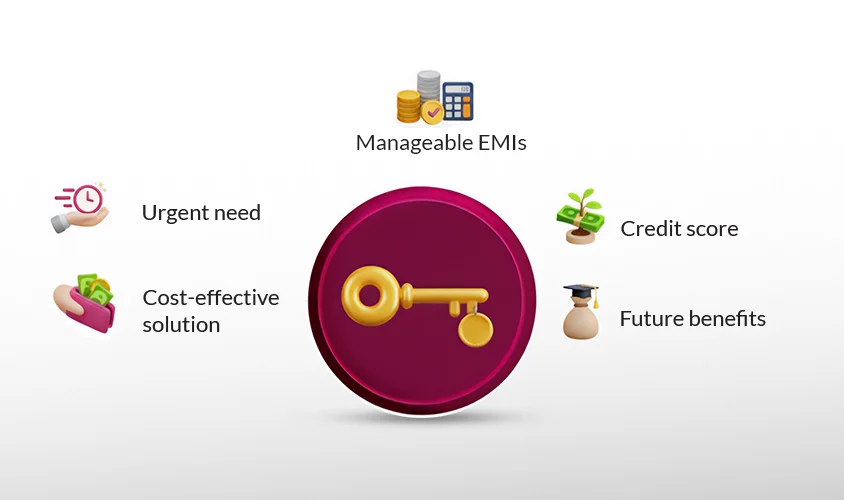
There are several advantages to opting for personal loans. Firstly, the convenience of obtaining a lump sum allows borrowers to manage finances flexibly. Secondly, when used to consolidate multiple debts, personal loans can simplify repayments and potentially reduce overall interest payments. Thirdly, borrowing through personal loans often involves faster approval compared to other types of credit. Additionally, some loans may provide competitive interest rates, especially for applicants with good credit scores.
Who Can Apply for Personal Loans?
Most banks and financial institutions offer personal loans to individuals over 18 years with a regular source of income. Requirements typically include a credit check, proof of income, and residency status. Self-employed applicants may be subject to additional scrutiny or documentation. It is important to note that lenders assess the applicant’s ability to repay the loan before approval.
How to Choose the Right Personal Loan
Choosing the appropriate personal loan depends on individual financial needs and circumstances. Borrowers should compare interest rates, loan amounts, fees, and repayment terms. It is advisable to review all associated costs such as application fees, early repayment penalties, and late payment charges. Making a choice based on total cost rather than just monthly repayments ensures better financial planning.
The Application Process Explained
The process of applying for a personal loan typically starts with an online enquiry or in-branch consultation. Borrowers need to provide personal and financial information, including employment details and income verification. After submitting the application, the lender performs a credit assessment. If approved, the loan amount is disbursed, usually within a few days. The borrower then begins regular repayments according to the agreed schedule.
Documentation Required
Applicants must prepare certain documents to support the loan application. Common requirements include identification documents such as a passport or driving licence, proof of income like payslips or tax returns, and bank statements. Some lenders may request additional documents depending on the applicant’s employment or credit history.
Credit Checks and Their Impact
Credit checks play a significant role in the approval process. A credit report provides information about the borrower’s past financial behaviour and creditworthiness. A good credit score increases the chances of receiving favourable loan terms. Conversely, poor credit history may result in higher interest rates or rejection. It is advisable to check credit reports before application to address any discrepancies.
Repayment Terms and Options
Repayment periods for personal loans vary from a few months to several years, typically between one to seven years. Fixed monthly payments allow borrowers to budget effectively, reducing the risk of missed payments. Some lenders offer flexible repayment options, such as the ability to make extra payments or adjust instalments. Understanding repayment terms is critical to avoid potential penalties.
Interest Rates and Fees
The cost of borrowing on a personal loan is influenced primarily by the interest rate and associated fees. Interest rates may be fixed or variable, with fixed rates providing certainty and variable rates possibly fluctuating over time. Other fees might include establishment fees, monthly service charges, or early repayment fees. Evaluating all costs is essential to understand the true expense of the loan.
Risks of Personal Loans
While personal loans can be beneficial, borrowers should be aware of potential risks. Taking on debt can impact credit scores and financial stability if repayments are missed. Some individuals may be tempted to borrow more than necessary, leading to difficulties in managing monthly budgets. It is important to borrow responsibly and ensure the loan fits within one’s financial means.
Alternatives to Personal Loans
Before committing to a personal loan, individuals might consider alternative funding options. These include credit cards, overdrafts, or borrowing from family and friends. Each option has distinct advantages and disadvantages, such as interest rates and repayment flexibility. Evaluating alternatives helps to choose the most suitable financial solution for the situation.
Where to Find Personal Loans
Numerous financial institutions and lenders offer personal loans, including banks, credit unions, and online lending platforms. Customers can compare products through dedicated finance websites or seek advice from financial advisors. To explore reliable and competitive options, individuals can visit a trusted source for personal loans.
Tips for a Successful Application
To improve the chances of loan approval, applicants should maintain a good credit rating by paying bills on time and managing existing debts responsibly. It is advisable to gather all necessary documentation in advance and provide accurate information during the application process. Researching multiple lenders can help find the best terms and conditions.
Managing a Personal Loan Effectively
After obtaining a personal loan, it is important for borrowers to monitor payments regularly and avoid missing due dates. Setting up automatic payments can prevent late fees and maintain a positive credit history. If financial circumstances change, contacting the lender promptly to discuss possible repayment adjustments is recommended.
Conclusion
Personal loans serve as a valuable financial tool that can help individuals manage expenses and achieve short-term goals. Understanding how personal loans work, their benefits, application procedures, and potential risks enables borrowers to make informed decisions. Careful consideration and responsible management ensure that personal loans contribute positively to overall financial health.


