

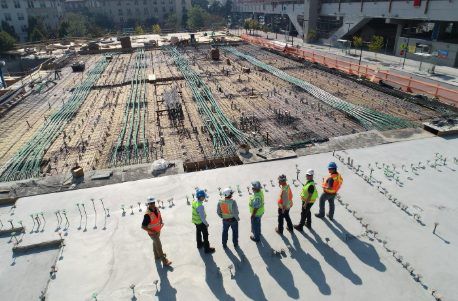
Successful construction projects do not happen by chance. Contractors need a clear plan, dependable teams, realistic budgets, steady communication, and close oversight at every stage. Each phase connects to the next, so gaps in planning often lead to delays, cost overruns, or rework. Strong preparation creates stability on site and keeps everyone aligned with the same objective.
A practical checklist serves as a working guide rather than a formality. It keeps priorities visible and helps contractors stay proactive instead of reactive. Organized systems make it easier to manage moving parts, coordinate trades, and maintain progress without losing control of the bigger picture. When expectations are clearly defined and processes are consistent, projects move forward with fewer disruptions and better outcomes.
Project Scope and Objectives
Clear scope forms the backbone of any construction project. Contractors must outline exactly what will be built, how it will be executed, and what standards must be met. Detailed drawings, written specifications, and defined deliverables reduce uncertainty before work begins. Clients gain clarity, and crews understand what is expected from day one.
Defined objectives also protect the project from unnecessary expansion. Scope creep can quietly inflate costs and stretch timelines if boundaries are not documented. Written agreements create accountability and provide a reference point when questions arise. Contractors who invest time in refining the scope early often avoid costly adjustments later.
Storage Zones and On-Site Organization
Organized storage zones keep a job site functional and safe. Materials, tools, and equipment should have designated areas that support easy access without disrupting workflow. Thoughtful layout planning prevents congestion and reduces time wasted searching for supplies.
Security remains a major concern on active construction sites. Shipping containers have become a practical solution for improving on-site storage security and organization. Contractors can buy shipping container units for secure on-site storage when valuable tools and high-cost materials require additional protection. Lockable, weather-resistant units help safeguard assets while keeping the site orderly. Clear organization also supports efficiency. Crews work faster when materials are stored near their points of use.
Budget Framework and Cost Control
A realistic budget establishes financial discipline from the start. Contractors must account for labor, materials, permits, equipment rentals, subcontractor fees, and contingency funds. Detailed cost breakdowns provide visibility and help prevent overlooked expenses.
Consistent monitoring keeps spending aligned with projections. Regular financial reviews allow contractors to identify trends early and make adjustments before minor variances grow into major problems. Accurate documentation strengthens transparency with clients and builds trust throughout the project. Contingency planning also plays a critical role. Unexpected site conditions or supply fluctuations can affect costs.
Permits and Regulatory Compliance
Permits and approvals must be secured before construction begins. Local building codes, zoning regulations, and inspection requirements vary by location, so careful review is essential. Contractors who understand these rules reduce the risk of fines or stop-work orders.
Documentation should remain organized and accessible. Inspection schedules need to be tracked closely to prevent delays. Clear coordination with regulatory agencies keeps the approval process moving smoothly. Ongoing compliance matters just as much as initial approval. Site conditions, structural work, and safety standards must meet legal requirements at every stage. Contractors who prioritize compliance protect both their reputation and their clients’ investment.
Procurement Strategy and Material Management
Reliable procurement keeps projects moving forward without unnecessary interruptions. Material orders should align closely with the construction schedule to avoid overcrowded sites or critical shortages. Strong relationships with suppliers improve reliability and communication.
Careful planning reduces waste and protects inventory. Materials exposed to weather or improper handling can create setbacks that affect both cost and quality. Organized delivery schedules ensure that crews receive what they need at the right time. Inventory tracking systems help contractors maintain visibility across the site. Clear records confirm quantities, monitor usage, and prevent duplication.
Workforce Coordination and Subcontractor Oversight
Skilled labor drives the quality and pace of a construction project. Clear role definitions help each crew member understand their responsibilities and how their work connects to others on site. When expectations are set early, confusion and overlap are far less likely to slow progress.
Strong coordination keeps multiple trades working in sync. Electricians, plumbers, framers, and finish crews must operate on a schedule that supports steady movement rather than bottlenecks. Regular site meetings create space to review timelines, address challenges, and confirm upcoming tasks. Open discussion encourages accountability and keeps everyone aligned with project goals.
Quality Standards and Safety Protocols
Quality should never be left to assumption. Clear benchmarks must be established at the outset, covering workmanship, materials, and compliance with design specifications. Scheduled inspections at key milestones confirm that progress meets those standards before moving forward.
Consistent documentation supports accountability. Photos, checklists, and inspection reports provide a clear record of completed work. Thorough records also simplify communication with clients and inspectors when verification is required. Safety protocols carry equal importance. Protective equipment, hazard assessments, and training sessions help create a secure working environment. Daily safety briefings reinforce expectations and keep risk awareness at the forefront.
Project Monitoring and Client Communication
Ongoing monitoring keeps construction projects focused and organized. Progress tracking tools provide insight into completed tasks, upcoming milestones, and potential delays. Clear visibility allows contractors to make timely decisions and adjust schedules when needed.
Detailed site reports strengthen internal coordination. Teams benefit from clear updates that outline progress and identify any obstacles requiring attention. Consistent reporting helps maintain momentum and supports better planning for the next phase. Client communication plays a central role in overall satisfaction. Regular updates create transparency and build trust. Clear explanations of progress, changes, or challenges prevent misunderstandings and reduce tension.
Construction projects demand careful planning, organized systems, and consistent oversight from start to finish. A structured checklist provides contractors with a reliable framework that supports each phase of the build. Clear scope definition, organized storage, disciplined budgeting, regulatory compliance, and strong procurement practices form a solid foundation. Coordinated teams, firm quality standards, and transparent communication carry the project through completion.
Contractors who follow a comprehensive checklist approach to each project with clarity and control. Steady attention to detail reduces risk, strengthens client relationships, and improves overall results. A disciplined process turns complex builds into manageable operations and positions contractors for long-term success.
