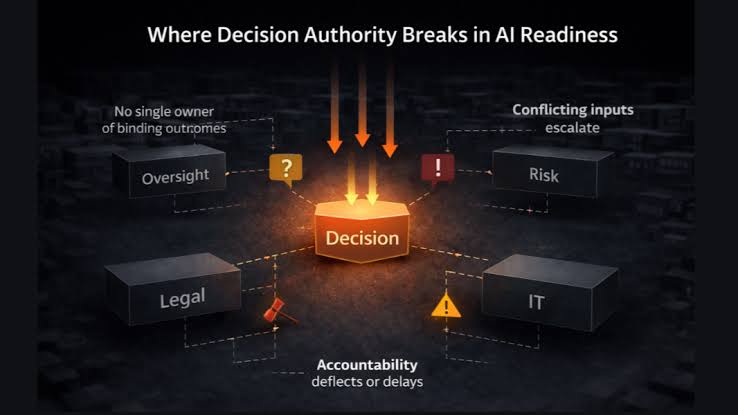
When artificial intelligence reaches a company, it is usually framed as a technology decision. Which tool, which vendor, which budget line. But the leaders who get real value from AI tend to treat it as something else entirely: a leadership decision about how their organisation uses its people’s time. Technology is the easy part. The judgement around it is what separates a genuine gain from an expensive distraction.
This matters now as a new class of AI, capable of executing tasks rather than just creating texts, is shifting to normal business operations. How a leader frames that influx determines whether it helps or just increases the noise.
The Trap of Automating the Wrong Thing
The first instinct, when a powerful new tool appears, is to find the most impressive thing it can do. This is usually a mistake.
The automation with the most value is rarely the most glamorous. It’s a slow, repetitive, high-volume task that quietly consumes team hours: data being copied between systems, the same routine updates that are done manually, information being sent from one department to another. None of this is glamorous, which is why it is overlooked, and why it pays off perfectly automatically.
Therefore, the first thing a leader should do is to misunderstand “Where is my team’s time being wasted on work that has no value?” rather than “What can this technology do?”
Why This Is a People Decision, Not a Tech One
Here is the part that gets missed. Automating a process changes what the people who used to do it now spend their days on. That is a leadership question, not an IT one.
When repetitive work is handled by AI agents running in the background, the hours freed up have to go somewhere. A thought leader directs them to high-value work: decisions, relationships, and creative issues that machines handle poorly and people handle well. A careless person just piles up on overproduction and more pressure, and wonders why morale drops despite the increase in performance.
Technology provides time. The leadership decides what happens at that time. This is why two companies can adopt the same tool and achieve completely different results.
Start Small, Prove It, Then Expand
The most reliable model of adopting this type of technology is also the least dramatic
Choose a process that is repetitive, painful, and well-understood. Automate this one thing. Measure the time saved and the errors it causes. Show those results to the team and the people with the budget. Only then expand on to the next action. This disciplined, evidence-based approach does two things at the same time: it builds real confidence in the technology, and it saves you from the costly mistake of fixing everything before you realize it.
The people involved are also respected. The change introduced in small, persistent ones is much less risky than a broader change announced above, and it gives the team room to adopt and trust the tools.
The Questions a Leader Should Actually Ask
Before adopting any of this, a few Critical questions cut through the hype and lead to better decisions:
- Which repetitive, low-impact tasks consume most of my team’s time?
- If we automate it, what will the people do that we give back?
- Can we look and check what automation does, so that failure doesn’t go unnoticed?
- What’s the smallest version of it that we can try and measure first?
These are not technical questions. They are the questions of someone leading people through a change, which is precisely what AI adoption is.
Conclusion
It’s tempting to think of AI as a tool that you easily buy and turn on. The leaders who benefit the most understand that software is only half the story. The second half is a decision choosing the right work to automate, deciding what free time should be, and introducing change in a way that people can trust.
Tools such as Noca AI are making the technical side dramatically easier, which only sharpens the point. As the technology becomes simpler to deploy, the difference between companies will not be who has access to it. It will be who leads its adoption thoughtfully. That has always been the real work of leadership, and AI has not changed it.
FAQs
Is adopting AI a technology or leadership decision?
Answer: Both, but the leadership part, deciding what to automate and how time is reused, determines the real value.
What should a company automate first?
Answer: The most frequent, repetitive, low-value work that consumes hours without creating anything new.
What happens to the time AI frees up?
Answer: That is a leadership choice: redirect it to higher-value work, or risk simply adding pressure and output.
How should a leader start?
Answer: With one painful, well-understood process. Automate it, measure the result, then expand from proven success.
What is the biggest mistake to avoid?
Answer: Chasing the flashiest use case instead of the most valuable one, and changing everything before testing anything.