



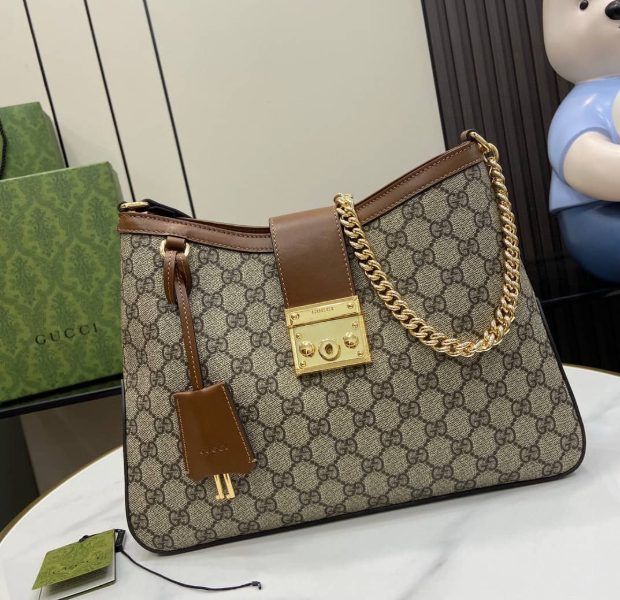
The world of designer replicas has evolved dramatically in recent years. No longer limited to low-quality knock-offs, today’s high-end replica market features goods that often mirror the originals in both appearance and materials. Among the most widely replicated luxury items are Gucci bags—iconic, coveted, and consistently ranked as one of the most desirable designer accessories.
One of the key reasons that certain Gucci replica bags are nearly indistinguishable from the real thing lies in their construction materials. From genuine leather to hardware detailing, the quality of these elements significantly affects the realism, feel, and longevity of the bag. This article takes an in-depth look at the materials commonly used in Gucci replica bags and explains what consumers—and critics—should understand about them.
Understanding the Replica Market
The replica market operates within a complex framework. While legal and ethical debates surround the sale of counterfeit goods, there’s no denying that a growing number of consumers are drawn to replica products—not to deceive, but to access style and design at a more attainable price point.
Because of this shifting perspective, producers of high-quality replicas have become increasingly meticulous about the materials they use. The focus is no longer just on visual similarity; it’s about tactile authenticity, weight, structure, and durability.
- Leathers Used in Gucci Replicas
Genuine Cowhide Leather
High-tier Gucci replicas often use genuine cowhide leather, which closely mimics the texture and structure of the original. This leather is sometimes vegetable-tanned to match Gucci’s finishes. It provides a natural grain and patina over time, giving the bag a realistic aging process.
PU Leather (Synthetic Alternatives)
Lower-tier replicas may still use PU (polyurethane) leather—a synthetic substitute that looks convincing from a distance but lacks the texture, scent, and longevity of real leather. While cheaper and more accessible, PU-based bags are more prone to cracking and surface wear.
Split Leather with Embossed Grain
Some mid-range replicas use split leather with an embossed pattern to imitate the surface of high-end full-grain leather. Although technically still leather, it’s thinner, less durable, and can feel stiffer compared to premium materials.
- Canvas and Signature GG Coated Fabrics
Gucci’s signature GG monogram canvas is one of the most replicated materials in the fashion industry. In replicas, manufacturers often use cotton-based canvas with a PVC coating, closely matching the real coated canvas used in Gucci’s original designs.
The pattern precision, color tones, and weight are critical indicators. High-quality replicas go as far as color-matching thread, backing material, and print alignment to resemble Gucci’s craftsmanship.
- Hardware Components
The quality of hardware in a Gucci replica is one of the most telling signs of authenticity or lack thereof. Replica makers have begun using custom-molded metal pieces that replicate:
- Antique gold finishes
- Matte black coatings
- Palladium-plated zippers and closures
Unlike earlier generations of replicas that used lightweight aluminum or plastic-based hardware, higher-quality versions now feature zinc alloy or brass components, adding proper weight and resistance to tarnish.
- Interior Linings
Gucci uses various types of lining materials depending on the model, such as:
- Suede microfiber
- Cotton-linen blends
- Silk-satin interiors (for clutches and limited editions)
Replicas that aim for authenticity often use synthetic microfiber to mimic suede or cotton-based textiles to simulate linen. While not always identical in feel, these choices aim for visual fidelity and basic tactile similarity.
- Stitching, Edge Paint, and Adhesives
Material quality goes hand in hand with finishing. Stitching thread quality, edge painting (especially on handles and strap attachments), and adhesives used in replica Gucci bags have improved considerably.
High-end replicas often use nylon or polyester thread, mirroring the durability and color-fastness of Gucci’s choices. Edge painting is applied cleanly, avoiding fraying or cracks, and some replicas even replicate the hand-finished look that characterizes original Gucci bags.
- Sustainability Considerations
A less discussed topic is sustainability. While Gucci has invested in ecological materials like ECONYL® and vegetable-tanned leather, most replicas—regardless of quality—do not yet adopt eco-friendly processes. Even when genuine leather is used, the tanning and dyeing may not follow environmentally responsible practices.
That said, the replica industry’s shift toward genuine, longer-lasting materials arguably reduces fast fashion waste, as these items are built to last longer than low-end synthetic copies.
Key Takeaways for Consumers and Observers
- Material quality varies widely across replica price points. Understanding the difference between PU leather and genuine cowhide is essential.
- High-end Gucci replicas use real leather, custom hardware, and lined interiors to achieve realism.
- Mid-range replicas often compromise on small elements like stitching density or hardware plating.
- Entry-level replicas typically prioritize appearance over function, using synthetic leather and basic hardware.
Whether one supports or opposes the existence of replica goods, it’s clear that materials play a pivotal role in their evolution. What began as a purely visual imitation has transformed into a sophisticated industry that invests in texture, craftsmanship, and tactile authenticity.
The materials used in Gucci replica bags today reflect a shift in both production quality and consumer expectation. As the lines blur between real and replica in terms of build, consumers—whether curious observers or active buyers—must recognize the role of craftsmanship, material science, and ethical nuance in this space.
Understanding what goes into these bags isn’t just about purchasing; it’s about engaging with a broader discussion on access, luxury, and value in modern fashion. This is true not only for Gucci replicas but also for other popular alternatives, such as the Yves Saint Laurent handbag knockoff, where material quality can greatly influence both perception and performance. Ultimately, the conversation surrounding replicas is evolving—from counterfeit stigma to informed consumer choice.


