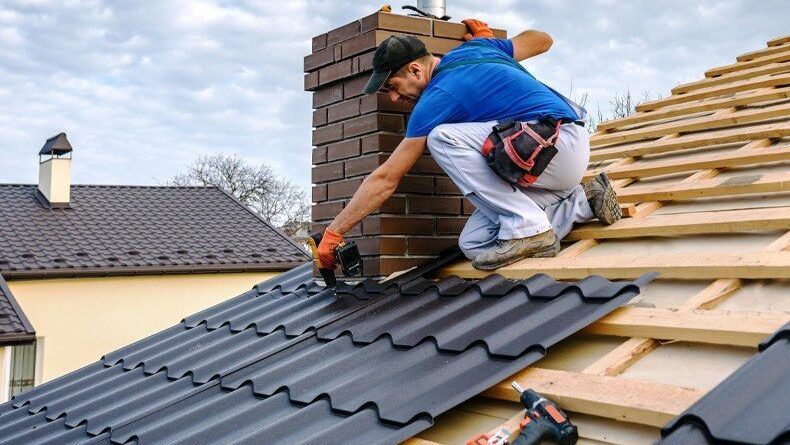
Roof rot is a common but preventable problem that affects many homes over time. It weakens structural integrity, shortens roof lifespan, and can lead to expensive repairs. Understanding its causes and learning how to prevent it helps maintain a safe and dry home.
Understanding Roof Rot
Roof rot occurs when moisture penetrates roofing materials and remains trapped. Over time, this moisture fosters fungal growth, which breaks down wood and other organic components. Once rot begins, it spreads quickly, especially in humid or rainy environments.
The most common areas affected include roof decking, rafters, and underlayment. Early detection is key to limiting damage and controlling repair costs.
Common Causes of Roof Rot
Several factors contribute to roof rot, often working together to create ideal conditions for decay. Recognizing these issues helps homeowners take preventive steps before significant damage occurs.
- Poor ventilation that traps heat and moisture in the attic
- Clogged gutters that cause water to back up under shingles
- Damaged flashing around vents, chimneys, or skylights
- Prolonged exposure to standing water after heavy rainfall
- Improper installation or aging of roofing materials
Preventive Maintenance Practices
Routine maintenance is the best defense against roof rot. Regular inspections allow homeowners to identify early warning signs before they become major problems. Look for discoloration, sagging areas, or musty odors inside the attic.
Cleaning gutters at least twice a year ensures proper water flow away from the roof. Trimming tree branches that hang over the home reduces debris accumulation and shade, helping the roof stay dry. Adequate attic ventilation is also essential to prevent trapped humidity.
Professional Inspection and Repair
Even with consistent upkeep, professional evaluation ensures nothing is overlooked. Specialists can detect hidden moisture, assess ventilation, and confirm that flashing and shingles are intact. If damage has already occurred, timely service such as Baton Rouge roof repair can restore the structure and prevent further deterioration.
Addressing Storm-Related Damage
Severe weather can accelerate roof rot by introducing leaks or damaging protective layers. After heavy storms, it is important to check for missing shingles, exposed decking, or damp insulation. Immediate attention to these issues helps avoid long-term moisture infiltration.
When extensive damage is found, a full storm roof replacement may be necessary. Replacing compromised materials ensures that the roof remains watertight and resilient during future weather events.
Choosing the Right Materials
Material selection influences how well a roof resists rot. Modern roofing systems often include moisture barriers and treated wood that inhibit fungal growth. Selecting materials suited to local climate conditions enhances durability and reduces maintenance needs.
Long-Term Roof Care
Preventing roof rot is an ongoing process that combines proper installation, regular inspection, and proactive repairs. Homeowners who maintain a consistent schedule of care protect their investment, ensure a healthier living environment, and avoid costly restoration work in the future.