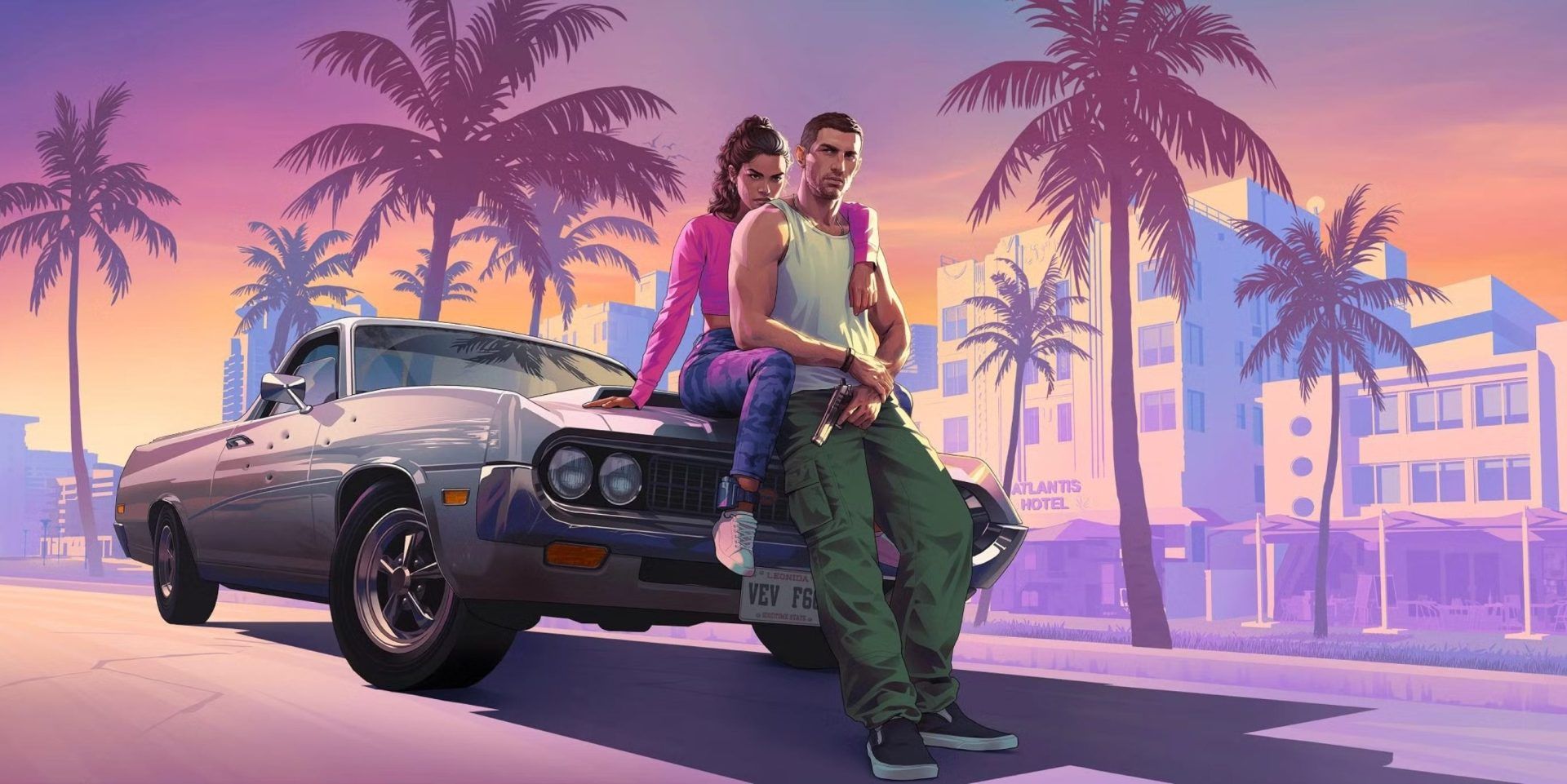
When Rockstar Games locked November 19, 2026 as the release date for Grand Theft Auto VI, it did more than set the biggest entertainment launch of the decade in motion. It started a countdown for an entire secondary economy — the professional game-services industry — that has spent the summer quietly staffing, building, and positioning for a demand spike that will compress a year’s worth of business into a single quarter.
A launch bigger than the movies
The commercial scale is difficult to overstate. GTA V generated over $8 billion across its lifetime; analysts expect its successor to clear $1 billion in pre-orders alone before a single copy unlocks. Pre-orders opened June 25 at $79.99 for the standard edition, and the game ships on PlayStation 5 and Xbox Series X|S as a single-player campaign — Rockstar has not announced an online mode launch date.
That last detail is the one reshaping the services market. Without an online economy at launch, the traditional revenue engines of game-services companies — currency sales, rank grinding — simply will not exist for GTA 6 on day one. What will exist is a long, dense, single-player campaign arriving in the middle of the busiest work quarter of the year.
Selling time, not cheats
The companies preparing for this are not the gray-market account shops of a decade ago. The professionalized end of the industry — firms like LFCarry, which has operated since the Legionfarm era with tens of thousands of public customer reviews — is building launch catalogs around a different product: time. Story-completion bookings, per-chapter clears, trophy hunts, and live coaching sessions where a professional talks a customer through the game on the customer’s own console.
The fair-play framing is a deliberate business strategy, not just compliance. Modded accounts and injected currency generate chargebacks, platform bans, and churn; scheduled labor on a customer’s own account generates repeat buyers. Ahead of GTA 6’s launch, the established operators have been explicit that they will not sell pre-leveled accounts or “boosted saves” — a positioning designed to survive Rockstar’s enforcement and win the trust of a mainstream audience that has never bought a gaming service before. Industry guides like is GTA 6 boosting safe now read less like gamer forums and more like consumer-protection literature: how to verify an operator, what a legitimate service will never ask for, and why account-selling is the red line.
The quarter ahead
Between preload on November 12 and the holiday season, services firms expect their largest onboarding wave ever — new customers arriving from a game with a nine-figure marketing budget. The operational challenge mirrors any seasonal business: hire and vet skilled labor early, publish content that captures search demand before it peaks, and keep quality from collapsing under volume.
For an industry that grew up in forum threads, GTA 6’s launch is something new: a moment where the professionalized players get to demonstrate, at mainstream scale, that “outsourcing the grind” has become a normal consumer purchase — with receipts, schedules, and refund policies to match.