

Introduction to Biometric Authentication
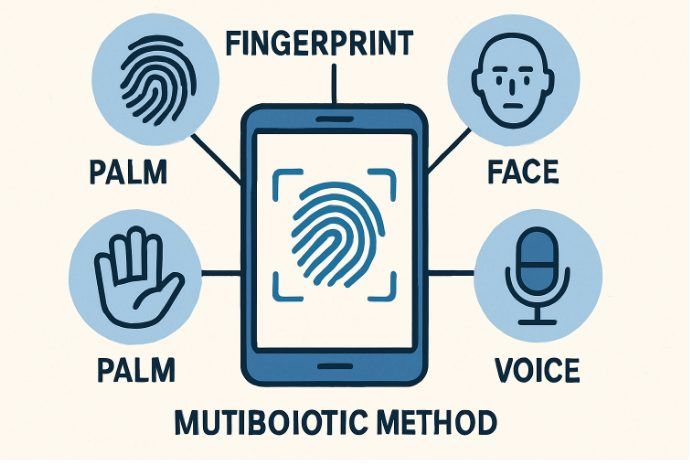
Biometric authentication has rapidly transformed the landscape of secure access and digital identity. By leveraging an individual’s unique physical and behavioral traits, such as fingerprint patterns, facial features, voiceprints, or even palm vein patterns, these systems are now the backbone of identity verification across numerous industries. With growing cybersecurity concerns and the widespread adoption of remote work, the demand for more secure, user-friendly authentication methods has reached unprecedented levels. For organizations and individuals seeking to enhance security, selecting the best biometric authentication systems ensures both reliability and convenience in protecting sensitive information.
While traditional password-based security methods struggle against phishing and brute-force attacks, biometrics provide a new level of security. The convenience of not needing to remember or manage passwords, combined with stronger fraud resistance, has pushed biometric solutions to the forefront of personal and enterprise security strategies. This next-generation authentication is not only safer but also adaptable—tailored for various industries, including healthcare, banking, retail, and government services. Leading platforms today integrate multiple biometric modalities with artificial intelligence and liveness detection, establishing new standards for digital security.
- Daon
Daon stands out as a global leader in biometric authentication, celebrated for its multi-modal identity platform. Combining facial, fingerprint, and voice biometrics, Daon’s technology offers unparalleled security and flexibility. It excels at layering different modalities for heightened protection, using AI and machine learning to improve verification accuracy and prevent spoofing. Daon’s solutions are trusted by financial institutions, airlines, and government agencies worldwide, attesting to the company’s reputation for dependability and scalability.
- Fujitsu PalmSecure
Fujitsu has pioneered a contactless biometric authentication system known as PalmSecure. Utilizing near-infrared sensors, PalmSecure captures and authenticates the unique vein patterns inside a user’s palm—a biometric trait virtually impossible to duplicate. Its touchless nature makes it especially valuable in environments that require high levels of hygiene, such as healthcare, public spaces, and high-traffic corporate settings. The system’s rapid response time and high accuracy have driven its adoption in banking, hospitals, and government offices, making it a trusted choice for secure identity management.
- Apple Face ID
Apple’s Face ID continues to set benchmarks in consumer biometric security. The system creates a comprehensive 3D map of the user’s face using infrared sensors and neural networks, ensuring precision in authentication across varying lighting conditions. As part of Apple’s integrated ecosystem, Face ID is employed for unlocking iPhones, securing sensitive data, and authorizing transactions such as Apple Pay. Ongoing software updates and hardware improvements further reinforce Face ID’s trustworthiness, keeping millions of users protected daily.
- NEC Corporation’s NeoFace
NEC’s NeoFace is widely regarded for its highly accurate and rapid facial recognition technology. Leveraging deep learning algorithms, NeoFace can verify identities even in challenging scenarios, such as low-light environments or crowded spaces. Public safety agencies, border control, and retail organizations deploy NeoFace for real-time surveillance and identity verification due to its low false acceptance rate and robust anti-spoofing mechanisms. As governments and private enterprises balance security and privacy, NEC’s ongoing innovation in biometric AI continues to gain industry recognition.
- EyeVerify’s Eyeprint ID
EyeVerify’s Eyeprint ID addresses the mobile authentication market by using the unique pattern of veins and micro-features around the eyes for identity verification. With growing threats to financial mobile applications, Eyeprint ID stands out for its resistance to spoofing and fraud while providing fast, user-friendly access. The technology requires only a smartphone camera, making secure onboarding and mobile account recovery seamless and accessible for both users and service providers.
- Bio-Key International’s WEB-key
Bio-Key International’s WEB-key platform delivers biometric authentication that supports fingerprints, faces, and other modalities through a cloud-driven architecture. Designed for enterprises seeking scalable and cost-effective security, WEB-key easily integrates with existing IT ecosystems while enabling secure remote and in-office authentication. The platform’s flexibility has made it a popular solution in the education, finance, and healthcare sectors, particularly those focused on compliance and operational efficiency.
- Suprema’s BioStation 2
Suprema’s BioStation 2 is engineered for both high-performance time attendance and access control. Known for its fast fingerprint matching speed and capacity to handle large user databases, BioStation 2 is suitable for organizations ranging from small businesses to multinational corporations. Its rugged build and consistent performance have resulted in widespread deployment worldwide, particularly in logistical operations and manufacturing plants where durability is crucial.
- Aware, Inc.’s Knomi
Aware, Inc.’s Knomi platform brings together face and voice biometric authentication to deliver secure, mobile-first identity verification. The software’s real-time liveness detection thwarts increasingly sophisticated spoofing attempts, ensuring that only legitimate users are granted access. Its smooth implementation and developer-friendly features have accelerated adoption in mobile banking, insurance, and remote onboarding solutions.
Final Thoughts
Biometric authentication systems are ushering in a new era of both convenience and security, meeting the needs of a connected world where data breaches and identity fraud are ever-present threats. Robust technology, comprehensive modality options, and commitment to continuous improvement distinguish the top biometric solutions of 2026. By embracing leading-edge systems, organizations and individuals can confidently protect digital identities and assets, while contributing to a safer, smarter digital future.
