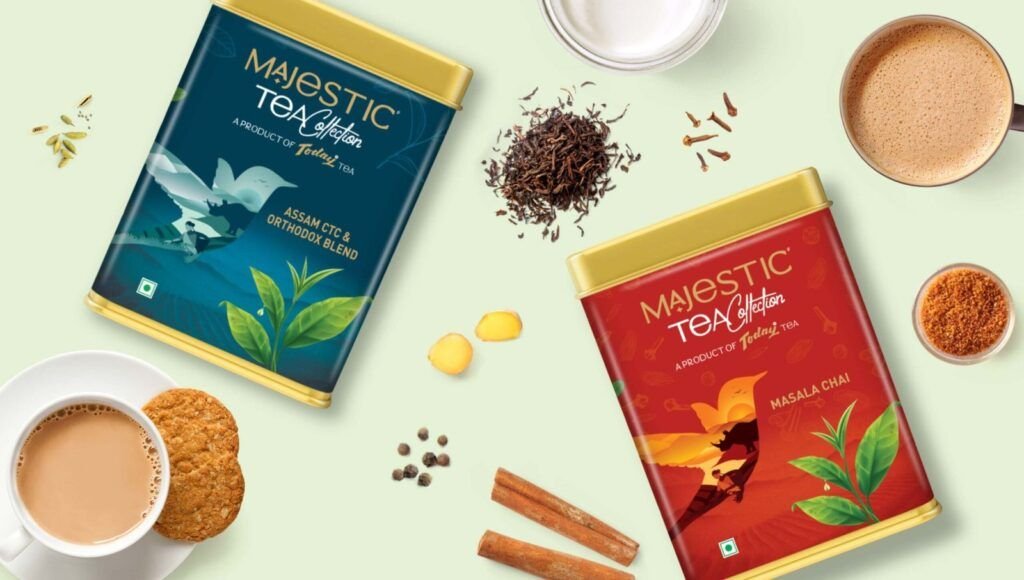
Tea brands often manage far more variety than a single product line might suggest. Loose-leaf blends, herbal teas, flavored teas, premium whole-leaf products, tea bags, seasonal releases, sample sizes, and specialty collections can all require different packaging dimensions and features.
The right tea packaging pouch needs to protect aroma and freshness while giving each blend enough shelf presence to stand apart. Flexible packaging makes that possible by allowing brands to choose from multiple pouch formats, custom sizes, barrier structures, finishes, and convenience features.
ePac currently offers side-gusset bags and stand-up pouches for loose-leaf tea and traditional tea bags, as well as rollstock for fractional packs, filter packs, and stick packs. The company also supports both standard and custom package specifications, allowing tea brands to build packaging around individual SKUs rather than forcing every blend into the same format.
For brands selling through retail stores and e-commerce, that flexibility can help create packaging that performs well from filling and shipping through storage and final use.
Stand-Up and Flat-Bottom Options for Retail and E-Commerce
Shelf presentation is one of the first considerations when choosing tea packaging.
Stand-up pouches are a practical option because the bottom gusset lets the package remain upright while giving the front and back panels ample space for branding, flavor information, origin details, brewing instructions, and product claims.
ePac’s current stand-up pouch offering includes multiple film structures, gusset configurations, finishes, closures, tear notches, and optional valves. The company also highlights dependable seals and oxygen and moisture barrier options for protecting product quality during transit and repeated use.
For tea brands, this upright format can work well across many product types. A small specialty blend may use a compact pouch, while a larger loose-leaf package can provide more internal volume and a larger printable area.
Flat-bottom pouches offer another strong retail format.
Their broader base creates a structured, box-like appearance that can help premium products stand firmly on the shelf. Multiple printable panels also create room for design elements without overcrowding the main front panel.
A tea company might use one side panel for brewing directions and another for sourcing information, while preserving the front for the product name and visual branding.
This structured presentation can be especially useful for premium tea, gift-oriented blends, subscription products, or specialty SKUs intended to compete visually with rigid cartons and tins.
E-commerce creates additional considerations.
Packages sold online need to arrive looking clean and professional after moving through fulfillment centers and parcel networks. Flexible pouches can provide a combination of low package weight, space efficiency, and durability compared with many rigid containers.
The film structure and seals still need to be chosen carefully according to product weight and shipping conditions.
Tea packaging also shares many of the same requirements seen across other specialty foods. For example, confectionary packaging often uses stand-up pouches, lay-flat pouches, and rollstock to accommodate everything from single-serving products to larger multi-use packages. ePac currently offers confectionery formats in both standard and custom sizes, illustrating how flexible packaging can adapt to numerous product shapes and serving formats.
The same flexibility allows tea brands to create consistent packaging across multiple blends while varying dimensions or graphics by SKU.
Optional Valves, Zippers, and Tear Notches for Freshness and Ease of Use
Packaging features can have a significant effect on how customers experience a tea product after purchase.
A pouch may look impressive on the shelf, but if it is difficult to open or inconvenient to store after the first use, that can weaken the overall experience.
Resealable zippers are one of the most useful features for loose-leaf tea.
Tea is rarely consumed all at once, so customers may open the same package dozens of times. A zipper makes it easy to close the pouch between uses and can help limit unnecessary exposure to the surrounding environment.
ePac notes that resealable zippers can support better product preservation, while tear notches provide a cleaner and easier initial opening.
Tear notches are particularly useful because they eliminate the need for scissors and give consumers a clear place to open the pouch.
These details may seem small, but convenience features can affect whether customers perceive packaging as thoughtful and premium.
Valves are another optional feature available on some flexible pouch formats.
They are best known in coffee packaging, where one-way degassing valves allow gases released by freshly roasted coffee to escape. Tea does not generally require the same degassing function as fresh coffee, so brands should only specify a valve when the product or packaging application actually calls for it.
This is an important principle in flexible packaging: features should be chosen because they solve a real product or consumer need, not simply because they are available.
Barrier performance is more broadly relevant for tea.
Tea can be affected by exposure to air, moisture, light, and outside aromas. ePac currently describes its tea films as capable of maintaining freshness and protecting product integrity, with customizable structures and finishes available for specific packaging needs.
Selecting an appropriate high-barrier film can therefore help preserve aroma and flavor over the intended shelf-life period.
Brands also need to think about package size.
A sampler pouch holding a small amount of loose-leaf tea should not use the same dimensions as a multi-ounce retail package. Oversized packaging can waste material and create an awkward presentation, while a pouch that is too small may be difficult to fill or seal properly.
Custom sizing allows brands to account for product density, leaf size, serving count, and desired shelf presence.
Tea is not the only category that benefits from this approach. Custom food packaging bags are used for products ranging from granola and jerky to snacks and frozen foods, with stand-up and lay-flat formats available alongside custom printing and food-safe films. ePac emphasizes that flexible food packaging can combine product protection with branding and shelf-life support.
Tea brands can apply the same principles.
Begin with the product itself. Determine whether the blend is especially sensitive to moisture, oxygen, aroma transfer, or light. Think about how long it is expected to remain in distribution and how frequently the customer will reopen the package.
Then consider the selling environment.
Retail products need strong shelf presence. E-commerce packaging must withstand shipping and handling. Subscription products may benefit from compact dimensions and efficient case packing. Sample sizes may require lightweight, single-use formats.
Finally, choose convenience features according to how customers will interact with the product.
A resealable zipper makes sense for multi-use loose-leaf tea. A tear notch can improve initial opening. A custom pouch size can help the package feel proportional to the amount of product inside.
The strongest tea packaging strategy combines all of these elements.
Stand-up and flat-bottom pouch formats can provide visual impact and practical storage. High-barrier films can help protect flavor and aroma. Custom sizing allows each SKU to fit naturally, while zippers and tear notches improve everyday convenience.
For tea brands managing multiple blends and product lines, flexible packaging offers a way to create a consistent visual identity without sacrificing the individual requirements of each SKU. The result is packaging designed to protect the tea, support retail and e-commerce distribution, and make every opening feel as considered as the blend inside.