

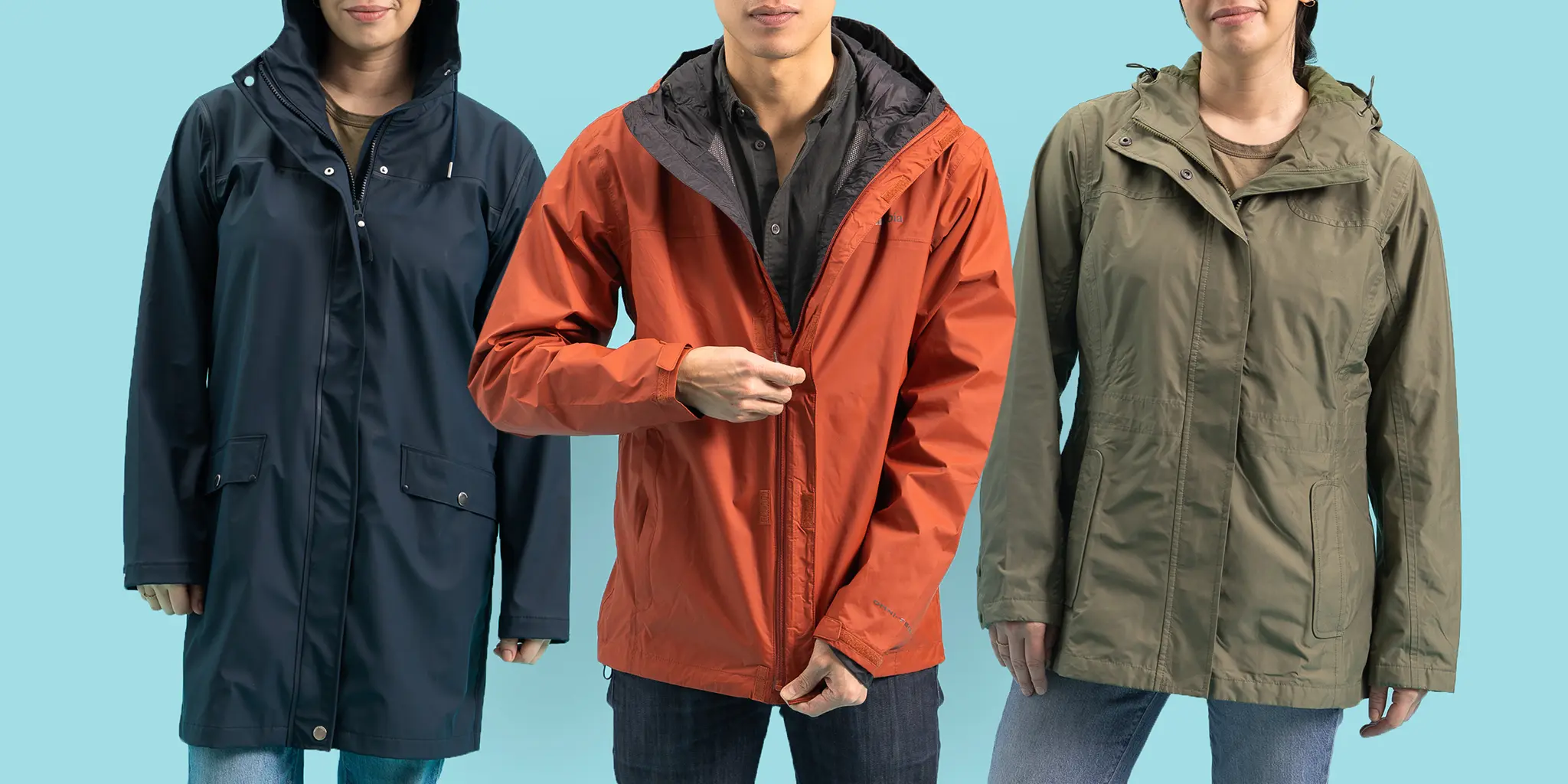
The unpredictable nature of weather necessitates being adequately prepared for the elements. A critical component of such preparation is the selection of appropriate attire, especially when it comes to protective outerwear. In this context, owning a reliable rain jacket is indispensable for anyone who wishes to tackle the outdoors while staying dry. This article aims to serve as the ultimate guide in aiding individuals to choose the perfect rain jacket for their needs.
Understanding the Different Types of Rain Jackets
Rain jackets come in various designs, materials, and functionalities, each suited to different activities and weather conditions. From lightweight packable jackets to heavy-duty waterproof shells, understanding the spectrum of available options is the first step towards making an informed decision.
Lightweight rain jackets are ideal for those who value portability and who may need to stow away their jackets in a backpack. On the other hand, insulated rain jackets provide added warmth for colder climates but may not be as breathable or packable as their lighter counterparts.
Waterproof vs. Water-Resistant
It is crucial to distinguish between ‘waterproof’ and ‘water-resistant’ when choosing a rain jacket. Waterproof jackets offer complete protection against rain, often featuring sealed seams and materials that prevent water penetration under sustained exposure. Conversely, water-resistant jackets can repel light rain but are not designed for heavy downpours or prolonged exposure to water.
Breathability Matters
Breathability is an essential factor, particularly for active outdoor enthusiasts. A jacket that allows moisture vapour to escape from the inside prevents the buildup of sweat, maintaining comfort during physically demanding activities. Look for jackets with breathable fabrics and features such as venting zips to enhance airflow.
Evaluating Material and Construction
The material and construction of a rain jacket determine its durability and performance. Popular materials like Gore-Tex and eVent provide excellent waterproofness and breathability. The durability of a jacket is often indicated by the fabric’s denier rating, with a higher denier signifying a more robust material.
Another element to consider is the construction of the jacket. A jacket with ‘taped’ or ‘welded’ seams will further ensure that water does not seep through the stitches. Additionally, check for features like storm flaps over zippers and adjustable cuffs to keep water out.
Fit and Comfort
A well-fitting rain jacket should allow for a full range of motion and the ability to layer clothing underneath. An adjustable hood, hem, and cuffs can improve the fit and prevent water ingress. Be sure to try on different sizes and brands to find the best fit for your body shape and preferred style.
Practical Features
Rain jackets often come equipped with features aimed at enhancing practicality and comfort. Pockets, for example, should be accessible and ideally waterproof or equipped with protective flaps. A hood with adjustable toggles can make a difference in keeping your vision clear during a downpour.
When it comes to colour, visibility can be a safety concern in certain environments. Choosing a jacket with high-visibility colours or reflective elements can be crucial for safety, especially if you’re cycling or hiking in areas with low light.
Price vs. Quality
While the cost is an important consideration, investing in a quality rain jacket can prove to be cost-effective in the long run. Premium jackets often come with warranties and are made from higher-quality materials that endure the wear and tear of frequent use.
Do not hesitate to spend a little more on a jacket that offers the functionality and durability you need. However, it’s also possible to find reasonably priced options that provide satisfactory performance without breaking the bank.
Environmental Considerations
For the eco-conscious buyer, the environmental impact of a rain jacket’s production can be a deciding factor. Some brands focus on sustainability by using recycled materials and avoiding harmful chemicals in the manufacturing process. Making an environmentally responsible choice can have a positive impact on the planet without compromising on quality.
Brand Reputation and Review
The reputation of a brand can be indicative of the quality of its products. Look for brands known for producing reliable outdoor gear. Moreover, customer and expert reviews are invaluable resources that provide insights into the real-world performance of different jackets.
Before making a purchase, research the experiences of others and consider how their requirements and activities align with your own. This could mean the difference between a satisfactory purchase and a regretful one.
Final Considerations
In conclusion, choosing the perfect rain jacket involves a thoughtful analysis of several factors. From the type and material to practical features and environmental considerations, each aspect plays a role in the overall satisfaction with your choice.
Whether you are a daily commuter, a weekend hiker, or an avid adventurer, taking the time to select a rain jacket that meets your specific needs ensures that you stay dry and comfortable in any weather. Remember, a dependable rain jacket is not just an item of clothing; it’s an investment in your comfort, safety, and enjoyment of the great outdoors.
As you embark on your quest to find the ideal rain jacket, keep in mind the pointers provided in this guide. With the right jacket, you’ll be well-equipped to face the elements, no matter where your adventures take you.
