

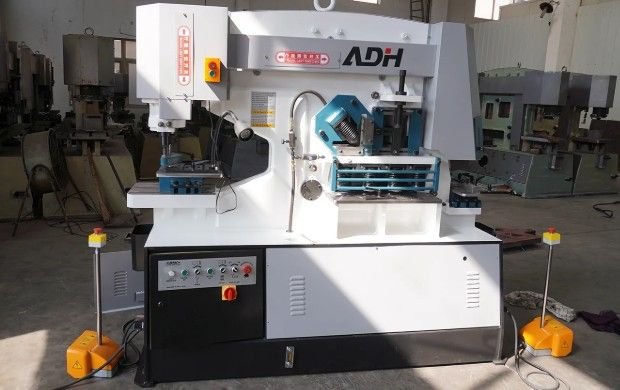
Choosing a new or used ironworker affects more than the purchase price. The machine must match daily work, available floor space, operator needs, and maintenance capacity. A new unit brings current configuration options and a known service history, while a used machine can reduce the initial outlay. The better choice depends on what the shop needs to produce and how much downtime it can accept. Start with the shop’s actual workload, then test both purchase paths against it.
Before comparing quotes, record the operations the shop performs each week, including punching, flat-bar shearing, angle cutting, notching, and repeat tooling tasks. If you want to find ironworker machines for sale, model by tonnage, workstation layout, and operator arrangement. That sequence ties a machine’s purchase price to its actual production role rather than an appealing capacity figure.
Compare the full purchase cost
A new machine carries a higher price, but its condition, configuration, and service history are known. That certainty helps shops budget for predictable output or avoid extended repair delays. Ask what tooling comes with it, what installation requires, and whether the seller includes training or warranty coverage.
A used unit shifts more inspection work to the buyer. Price alone says little about wear in the hydraulic system, frame, shear blades, punch station, or electrical controls.
Request maintenance records, cycle history, and a live demonstration under load before approving the purchase. A technician can inspect leaks, alignment, guards, and foot-pedal operation.
Match capacity to production
Rated tonnage matters, but it should follow the material and operations the shop handles. Review the thickest material, hole sizes, and cut dimensions in recurring jobs, then confirm the machine’s capacity. A machine with excess capacity ties up capital and floor space; an undersized one creates delays or setups.
Compare workstations as carefully as tonnage. Scotchman lists punch stations, flat-bar shears, angle shears, and notchers on its ironworkers. Some models include a tool-table workstation for component tooling.
Confirm the unit includes the stations needed for daily work, rather than assuming every used machine has the same layout. A configuration that lacks a frequently used station can add handling or require separate equipment.
Consider labor and workflow
A single-operator machine fits work that moves between stations in sequence. Dual-operator models let two people work simultaneously, with separate foot pedals controlling designated workstations.
That arrangement matters when staffing, guarding, and job flow support parallel work. Otherwise, a simpler configuration can reduce coordination demands.
Measure the machine footprint and material approach before purchase. Operators need room to load stock, position parts, change tooling, and remove pieces without blocking aisles.
Check electrical and hydraulic requirements against the shop’s available services, and plan for delivery access and installation. They apply to new and used equipment alike.
Inspect a used ironworker
During a demonstration, carefully test every needed station. Listen for unusual pump noise, watch for hydraulic drift, and check that controls return correctly after each cycle.
Inspect the frame for cracks or unauthorized repairs, and examine blades, punches, and dies for wear. Record needed repairs and replacement tooling before comparing final costs.
Confirm the model, serial information, included accessories, and service records in writing. Ask who handled maintenance and whether manuals or replacement parts are available.
Set a maximum repair allowance before negotiations; if inspection findings exceed it, compare another used unit or a new configuration. Never treat a brief powered cycle as a complete condition check.
When a new machine makes sense
A new ironworker suits a shop whose workload requires a specific tonnage, workstation arrangement, or operator setup. New equipment gives the buyer a condition baseline and the chance to specify options. That route makes sense when predictable production and support terms justify the price difference.
A used machine fits best when its condition checks out, and its capacity covers repeat jobs without extensive modification. Shops should compare the purchase price with inspection, transport, installation, repairs, and all required tooling costs. If those expenses erase the savings, a new machine can be the lower-risk purchase over the shop’s full planned ownership period.
Conclusion
Before committing, rank recurring operations, calculate required capacity, and set a clear total acquisition budget for the machine. Then inspect used candidates under power and verify that included stations match the shop’s work. For a new machine, request a written configuration and confirm delivery, installation, training, and warranty terms before comparing quotes. That checklist gives the decision a practical basis: select the machine that meets production needs within the shop’s full planned ownership period.
